€ 155


Still questions? Contact us
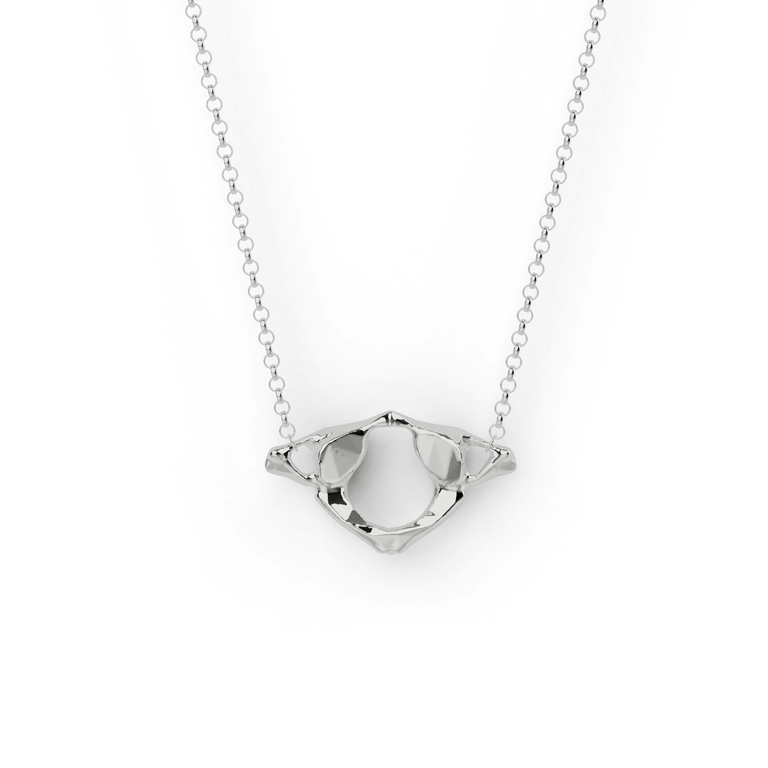
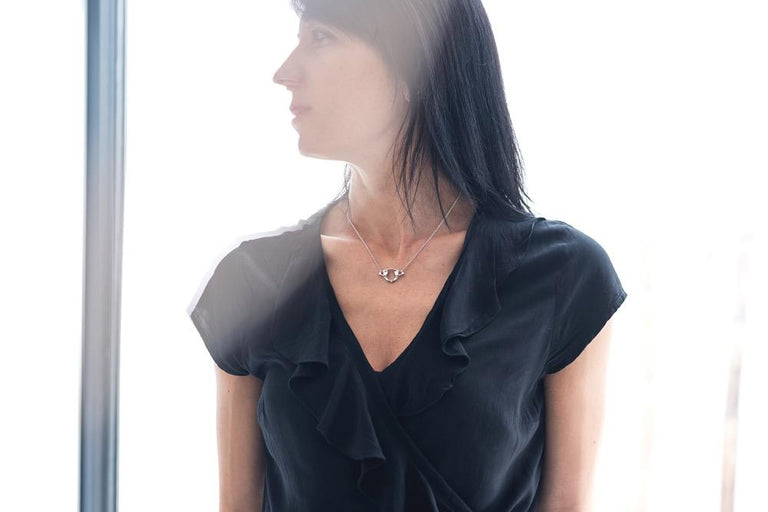
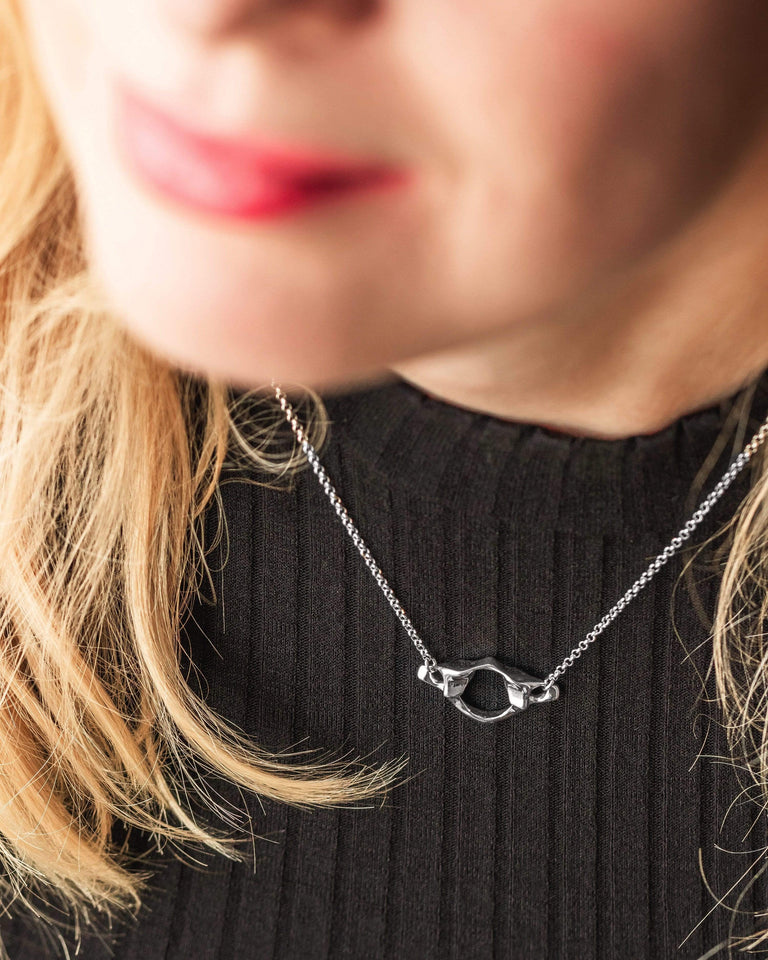
Atlas necklace | sterling silver
The atlas is the only vertebra without a body. Just a ring of bone with two lateral masses, set so the skull can nod and rotate. It carries roughly 4.5 kilograms of head all day, every day, and rarely complains.
The Anatomy of the Atlas (C1)
The atlas (C1) is the most specialised vertebra in the spine. It has no vertebral body, unlike all other vertebrae. Instead it's a ring of bone with two lateral masses joined by anterior and posterior arches. Its superior articular facets receive the occipital condyles of the skull, forming the atlanto-occipital joint where head-nodding (the "yes" movement) happens. Below, the atlas rotates around the odontoid process of the axis (C2), forming the atlanto-axial joint responsible for rotation (the "no" movement). The atlas takes the entire weight of the head and transmits it to the rest of the spine, while still permitting the range of motion the skull needs.
A Quiet Symbol For
- anatomists, physiotherapists, and orthopaedic surgeons
- spine surgeons and neurosurgeons working at C1
- chiropractors and manual therapists
- yoga and movement teachers who think about cervical spine alignment
- anyone who has ever felt their atlas crack and learned what it was
Explore Related Anatomy Jewelry
- Atlas necklace | gold vermeil
- Cervical vertebra necklace | silver
- Spine necklace | silver
- Skull necklace | silver
FAQ
Who actually wears an atlas necklace?
Mostly people whose work touches the cervical spine: physiotherapists, orthopaedists, spine surgeons, and chiropractors. Also anatomy enthusiasts, medical students who've memorised the atlanto-axial complex, and people who've had their own neck imaged and want to carry the bone they learned about. The C1 vertebra has a particular hook for people who teach anatomy, because it's the most architecturally distinctive vertebra in the human spine.
Why doesn't the atlas have a body like other vertebrae?
Because evolution prioritised motion over stability at this joint. A traditional vertebral body would have made the atlas mechanically simpler but would have prevented the head from rotating. By eliminating the body and creating a ring of bone instead, the atlas can rotate around the odontoid process of the axis (C2), giving the skull about 90 degrees of cervical rotation. The trade-off is structural fragility, which is why injuries at this level are particularly serious.
What size is the pendant and what does it ship with?
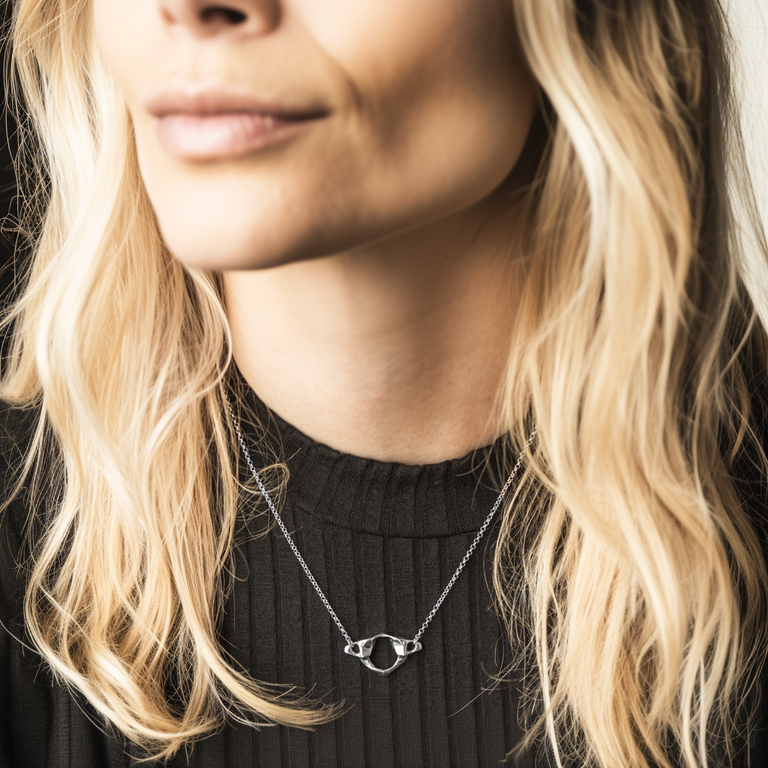
The pendant is 26 mm in 925 sterling silver, nickel-free and hypoallergenic, on a 45 cm sterling silver chain (1.8 mm width, lobster clasp) with a 5 cm extender. Free worldwide DHL Express shipping in 1-5 business days, all import duties covered, in a ready-to-gift jewelry box.
How does the silver compare to the gold version?
Same dorsal view, same anatomy, same 26 mm size. Material is the only difference. Choose the finish the recipient already wears. Both versions carry the same design and the same meaning. Both ship on a 45 cm chain in matching material.

Human Anatomy
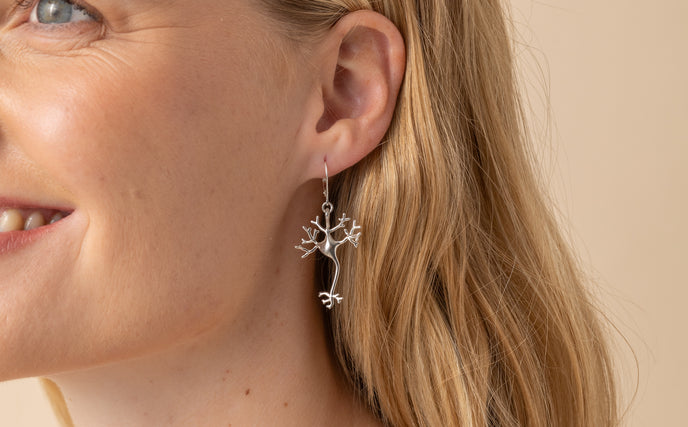
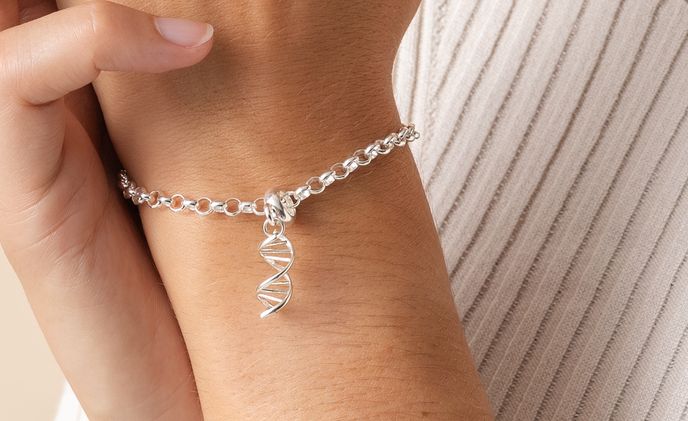
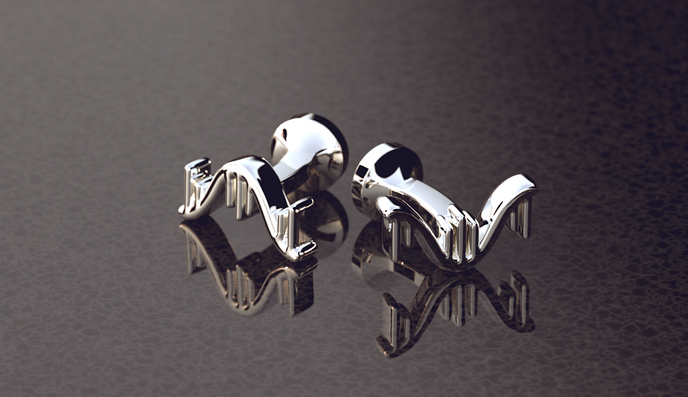
Anatomical wonders have never been so elegantly articulated. Our anatomical collection embodies the intricate and awe-inspiring structures that make us who we are. From DNA double helices to neuronal networks, our pieces don't merely imitate—they interpret. The collection serves as a tangible tribute to the hidden beauty within us all, elevating the realms of biology and medicine into wearable art. With exquisite attention to detail, each piece is a dialogue between form and function, revealing the enigmatic eloquence of the human body.
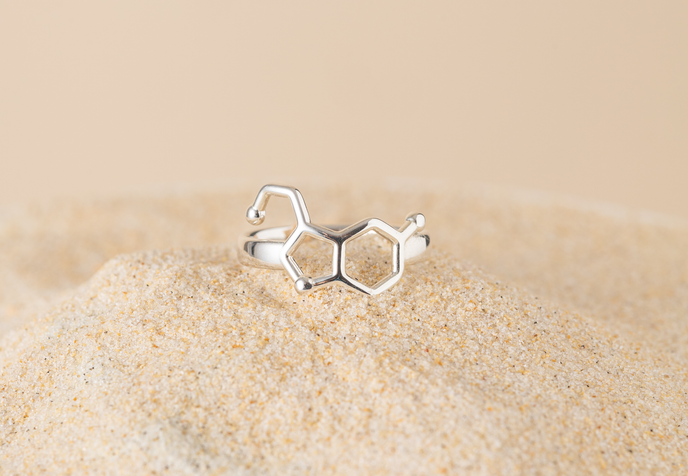
Find your perfect fit: measure an Existing Ring
Finding out your ring size at home is a simple process and can help you shop for jewelry online with confidence.
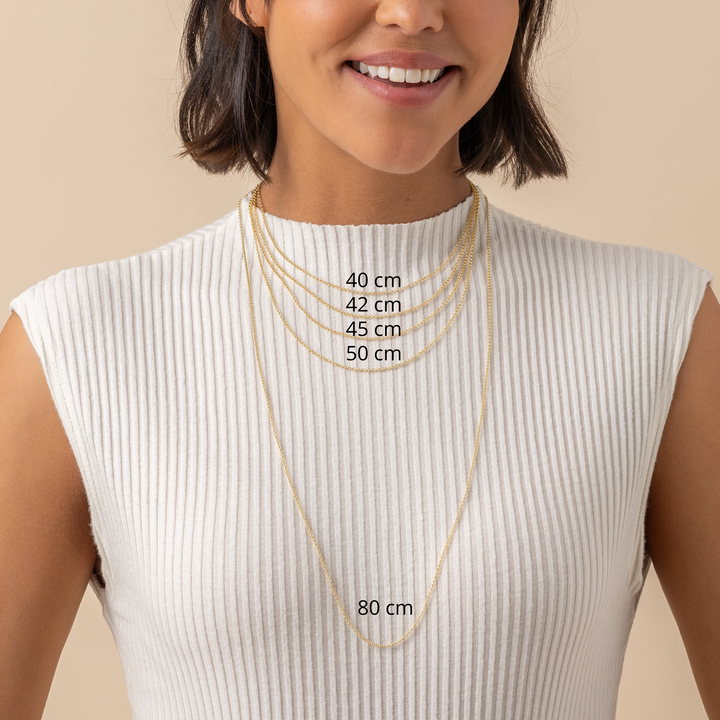
Necklace length guide