€ 200


Still questions? Contact us
Circle of Willis necklace | 18k gold vermeil
If you have ever clipped or coiled an aneurysm at the anterior communicating artery, or read a CT angiogram looking for a posterior communicating outpouching, you already know this anatomy by feel. The Circle of Willis is one of the few pieces of vascular geometry that working clinicians can reproduce on a whiteboard from memory.
The Anatomy of the Circle of Willis
The Circle of Willis is the arterial ring at the base of the brain, formed by the joining of the internal carotid arteries (anteriorly) and the basilar artery (posteriorly) via the anterior and posterior communicating arteries. The ring provides collateral circulation: if one feeding vessel is blocked, blood can reach the affected territory through the other arms of the circle. Anatomical variants are common (a complete textbook circle is present in only about a third of the population). Intracranial aneurysms occur at a prevalence of roughly three per cent in the general population, with the anterior communicating artery, the posterior communicating artery, and the middle cerebral artery bifurcation among the most common sites. Modern treatment options include surgical clipping and endovascular coiling, both of which require precise knowledge of the circle's anatomy and its variants.
Who Reaches For This
The audience clusters tightly:
- neurosurgeons and neurointerventional radiologists treating aneurysms
- stroke neurologists and cerebrovascular specialists
- neuroradiologists who read cerebral angiograms daily
- vascular and skull-base surgeons working at the circle's territory
- anatomists and medical students who memorised the ring and its variants
Explore Related Human Anatomy Jewelry
- Circle of Willis necklace | silver
- Brain necklace | gold vermeil
- Aorta necklace | gold vermeil
- Ventricular system necklace | gold vermeil
FAQ
What do you give a neurosurgeon who has finished an aneurysm fellowship?
The Circle of Willis in gold. Few anatomical structures map as directly onto a neurosurgical career as this one, and a piece that names the ring specifically rather than the brain in general reads as well-chosen by anyone in cerebrovascular work. Often given by partners, mentors, or department heads to mark fellowship completion or first independent case.
Why does the Circle of Willis have so many anatomical variants?
Because the embryological development of the ring is genuinely complex. The circle forms from the convergence of branches from three separate vascular systems (the internal carotids and the vertebrobasilar system), and the communicating arteries between them often vary in size or fail to develop fully. A complete textbook circle is present in only about a third of the population. The clinical implication is real: the variant matters when an aneurysm is treated or a vessel is sacrificed during surgery, because collateral flow may not be where the textbook says.
What's the size, material, and chain?
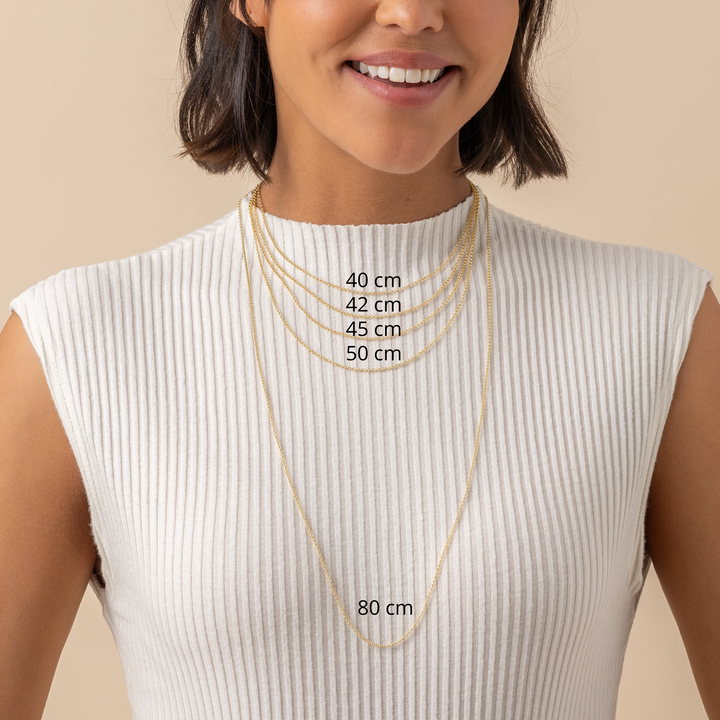
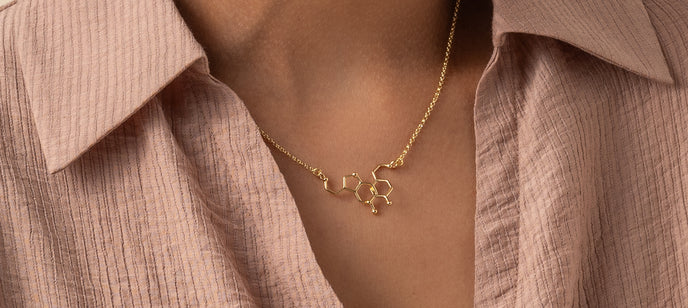
43 mm pendant in 18k gold vermeil over a sterling silver core, nickel-free. 45 cm gold vermeil chain with a 5 cm extender. Ships free worldwide via DHL Express in 1-5 business days, with all import duties prepaid. Comes in a ready-to-gift jewelry box with the 30-day “Love It or Return It” policy.
Same design as the silver Circle of Willis?
Yes. Same model, same 43 mm size. Material is the only difference.

Human Anatomy
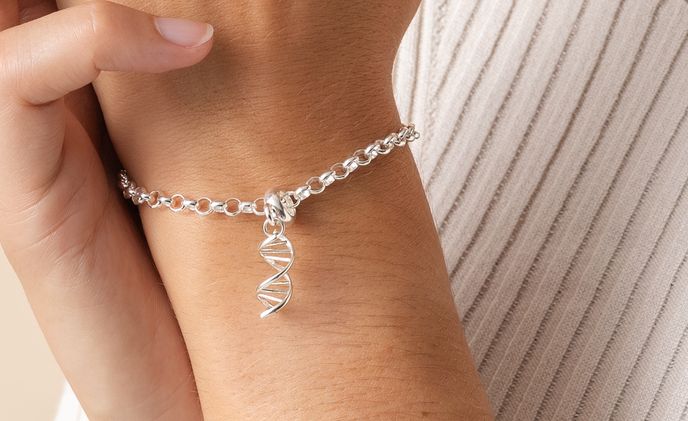
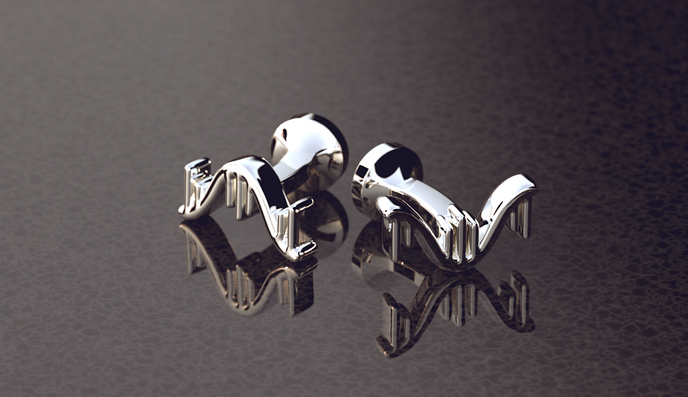
Anatomical wonders have never been so elegantly articulated. Our anatomical collection embodies the intricate and awe-inspiring structures that make us who we are. From DNA double helices to neuronal networks, our pieces don't merely imitate—they interpret. The collection serves as a tangible tribute to the hidden beauty within us all, elevating the realms of biology and medicine into wearable art. With exquisite attention to detail, each piece is a dialogue between form and function, revealing the enigmatic eloquence of the human body.
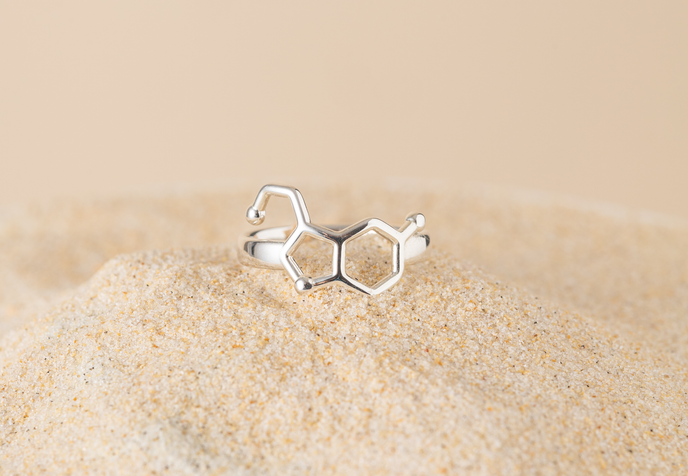
Find your perfect fit: measure an Existing Ring
Finding out your ring size at home is a simple process and can help you shop for jewelry online with confidence.
Necklace length guide