€ 150


Still questions? Contact us
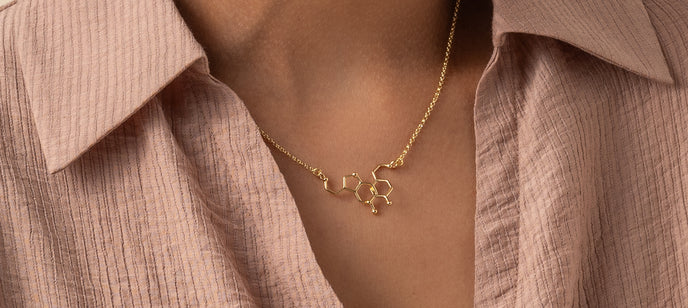
dopamine necklace V | 18k gold vermeil
Dopamine is the molecule of motivation. Too much in one brain region and you hallucinate. Too little in another and you cannot focus. It is the neurotransmitter that explains why the same molecule solves two opposite neuropsychiatric problems.
The Chemistry of Dopamine
Dopamine is a catecholamine synthesized from tyrosine in the brain. The dopamine hypothesis of schizophrenia (1960s onward) proposed that excess D2 receptor activation in the striatum causes hallucinations and delusions. All effective antipsychotics block D2 receptors. ADHD involves the opposite problem: insufficient dopamine and noradrenaline in the prefrontal cortex, impairing working memory and attention. Methylphenidate and amphetamines raise synaptic dopamine and improve prefrontal function. Two disorders, same neurotransmitter, different brain regions, opposite directions. This asymmetry is one of psychiatry's most striking molecular lessons.
A Quiet Symbol For
- psychiatrists and neuropsychologists
- neuroscientists studying dopamine pathways
- pharmacologists developing dopamine-targeted drugs
- anyone drawn to neuropsychiatric chemistry
Explore Related Molecules Jewelry
FAQ
Why does dopamine explain opposite psychiatric conditions?
Dopamine's effects are exquisitely regional. Excess dopamine in the striatum (subcortical reward pathway) causes hallucinations. Insufficient dopamine in the prefrontal cortex (cognitive control pathway) impairs attention. The same molecule, the same neurotransmitter, but different brain regions and opposite problems. This is why region-specific pharmacology works: dopamine-blocking drugs help schizophrenia. Dopamine-boosting drugs help ADHD.
What is dopamine's role in motivation and reward?
Dopamine is not the pleasure molecule. Dopamine is the prediction-error signal. It encodes whether an outcome was better or worse than expected, guiding learning and future decision-making. This is why dopamine dysregulation disrupts motivation across addiction, depression, and ADHD. The molecule tells the brain what to do next.
What's the material, size, and chain?
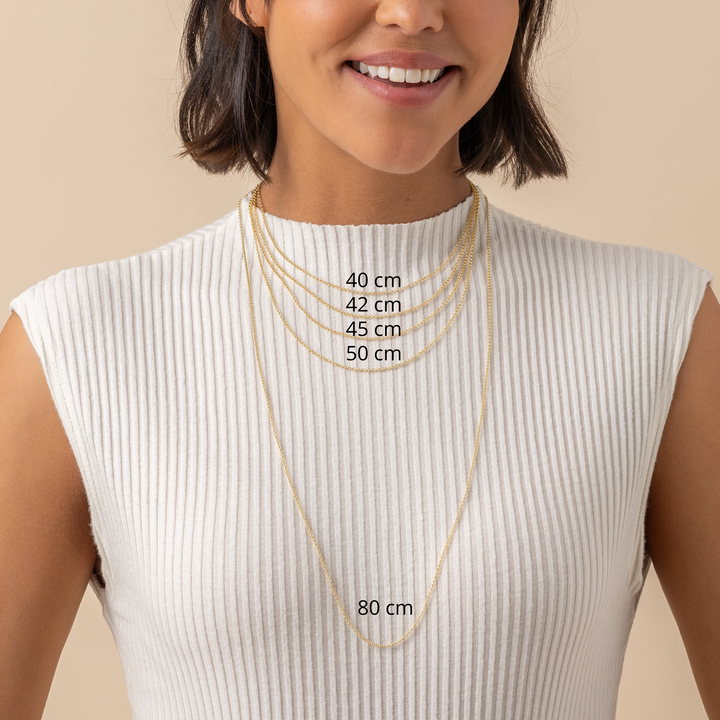
20 mm pendant (vertical orientation) in 18k gold vermeil (sterling silver core with 2.5 micron gold plating), nickel-free and hypoallergenic. 45 cm gold vermeil chain with lobster clasp and 5 cm extender. High-polish finish. Comes in a ready-to-gift, eco-friendly jewelry box with the 30-day “Love It or Return It” policy. Free worldwide DHL Express shipping (1-5 business days).
Is the vertical dopamine different from the horizontal version?
Yes. The vertical (V) and horizontal (H) versions are oriented differently, which changes how the pendant sits on the chain. Both are 20 mm and available in gold vermeil or silver. Same size, same molecule, different orientation.
Molecules
Delve into the hidden elegance of science with our meticulously crafted jewelry, inspired by the intricate structures of chemical molecules. Each piece serves as a tactile tribute to the building blocks of life and matter, capturing the allure of atoms and bonds in precious metals. A harmonious fusion of art and science, these creations are more than mere accessories; they're a celebration of the enigmatic beauty that underpins our universe.
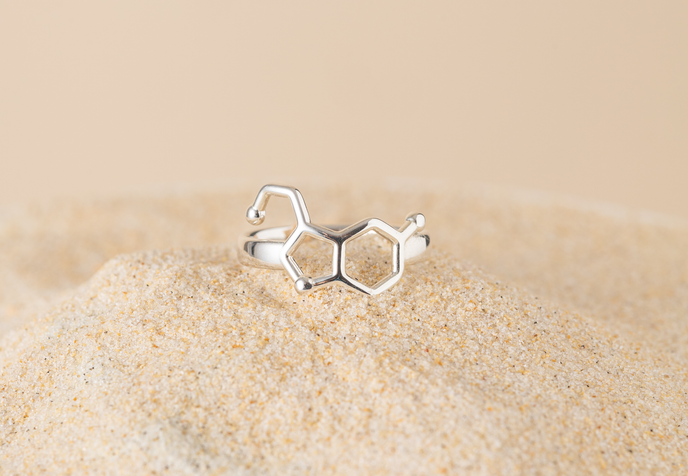
Find your perfect fit: measure an Existing Ring
Finding out your ring size at home is a simple process and can help you shop for jewelry online with confidence.
Necklace length guide