€ 155


Still questions? Contact us
ebola virus necklace | sterling silver
Ebola is a thread, not a sphere. The filament extends 800 to 1,400 nanometres long, hundreds of times longer than wide. That shape, paired with up to 90% case fatality before modern care, makes it one of the most carefully studied pathogens in virology. Beauty and danger in the same molecular geometry.
The Science of Ebola Virus
Ebola virus (EBOV) is a member of the family Filoviridae, named for its thread-like morphology. It carries a negative-sense single-stranded RNA genome of approximately 19 kilobases, encapsidated in a helical nucleocapsid inside a lipid envelope decorated with glycoprotein spikes that mediate cell entry. The 2014-2016 West Africa outbreak, the largest in history, infected over 28,000 people and killed more than 11,000. Contemporary therapeutics including monoclonal antibodies (ZMapp) and vaccines like Ervebo (rVSV-ZEBOV) have transformed Ebola from near-certain death to a survivable infection with early treatment.
Worn By
A piece for virologists and anyone who has studied or worked on filoviral disease.
- virologists and infectious disease specialists studying haemorrhagic fevers
- researchers who have worked on filovirus biology or outbreak response
- public health professionals and epidemiologists
- anyone drawn to how elegant a dangerous organism can be
Explore Related Virus Jewelry
- Coronavirus necklace in sterling silver
- West Nile virus necklace in sterling silver
- Bacteriophage necklace in gold vermeil
FAQ
Who would wear an Ebola virus pendant?
Virologists, immunologists, and anyone working in virology or tropical medicine. Also for people drawn to how structure determines pathology, and the recognition that many dangerous organisms are structurally elegant.
Why is Ebola's filamentous structure so distinctive in virology?
Most viruses are roughly spherical. Ebola is a filament, up to a micron long, hundreds of times longer than it is wide. That unusual shape, combined with its surface glycoproteins and fusion mechanism, makes it one of the most recognisable viruses structurally among virologists.
What are the size, material, and chain?
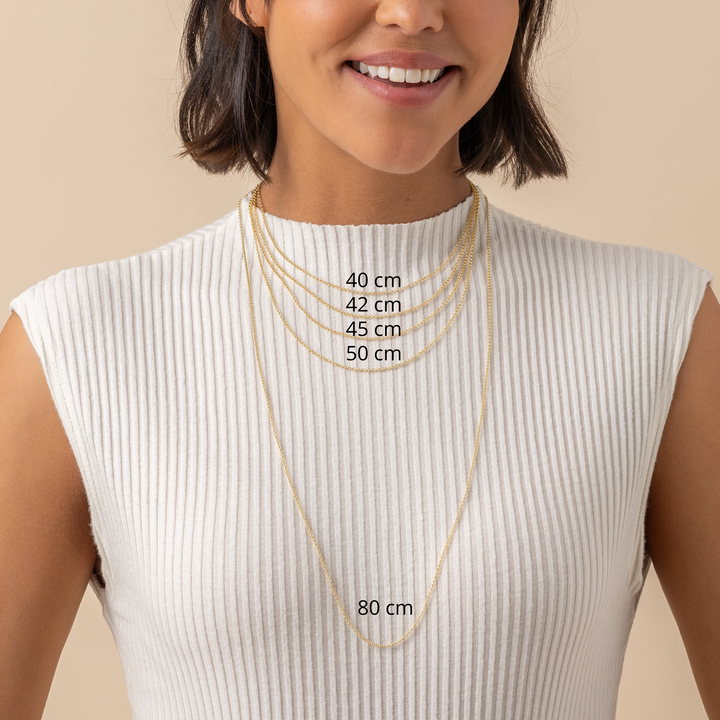
30 mm pendant in 925 sterling silver, nickel-free and hypoallergenic, high-polish finish. 45 cm sterling silver chain with a 5 cm extender and lobster clasp. Ships free worldwide via DHL Express in 1-5 business days. Comes in a ready-to-gift jewelry box with the 30-day “Love It or Return It” policy.
Cellular Biology
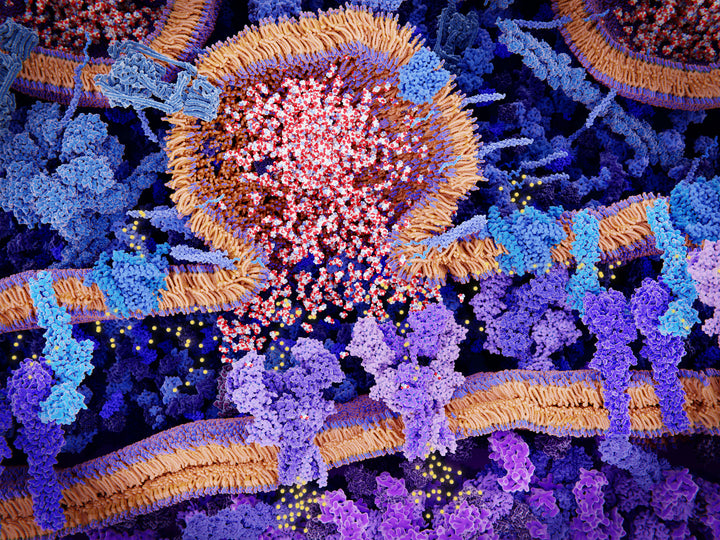
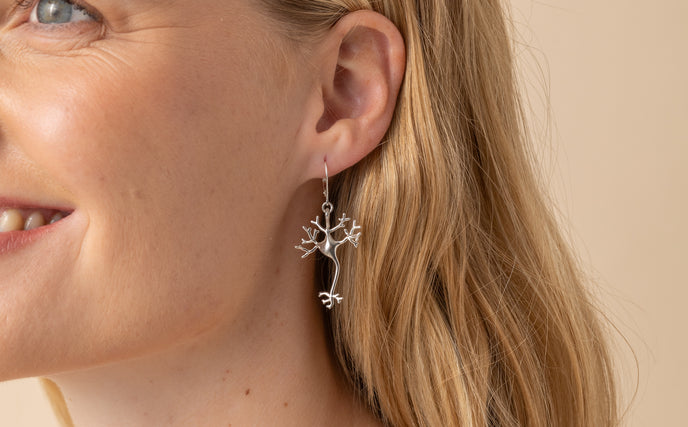
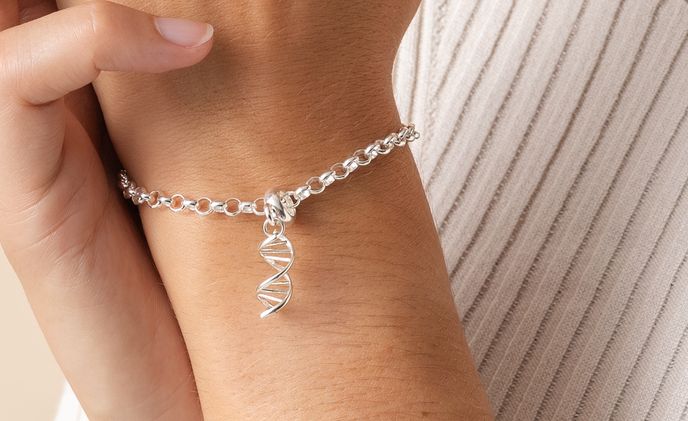
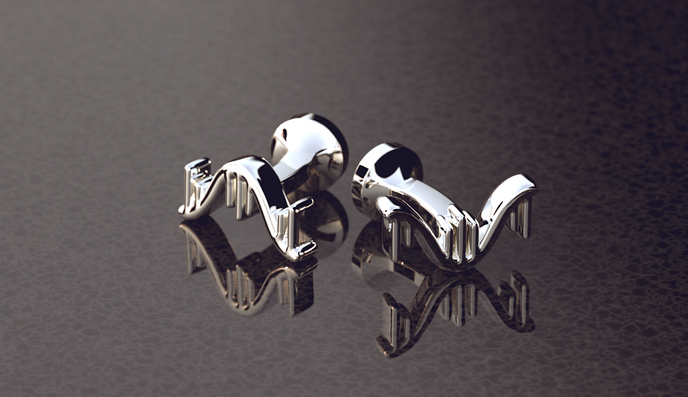
Step into the fascinating world of cellular biology through our unique jewelry designs. These pieces serve as wearable reflections of life's microscopic wonders, capturing the aesthetics of DNA strands, cellular formations, and more. Far from simple adornments, they spark dialogue and honor the captivating complexities found within biological research. Merging scientific accuracy with artistic flair, each creation offers a tactile experience that bridges the gap between scientific inquiry and aesthetic appreciation.
Find your perfect fit: measure an Existing Ring
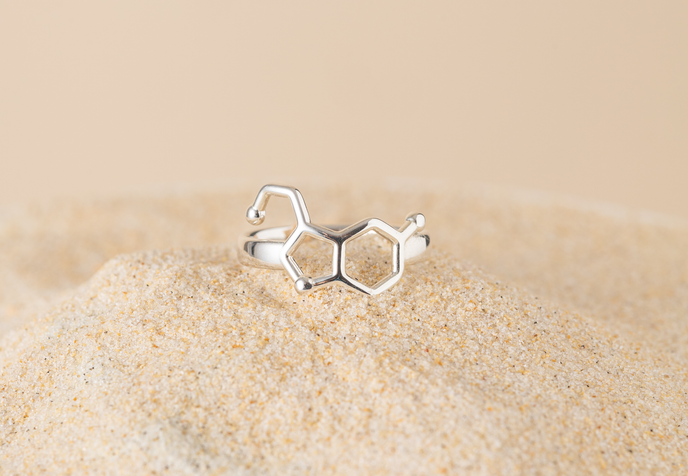
Finding out your ring size at home is a simple process and can help you shop for jewelry online with confidence.
Necklace length guide