

€ 145


Still questions? Contact us
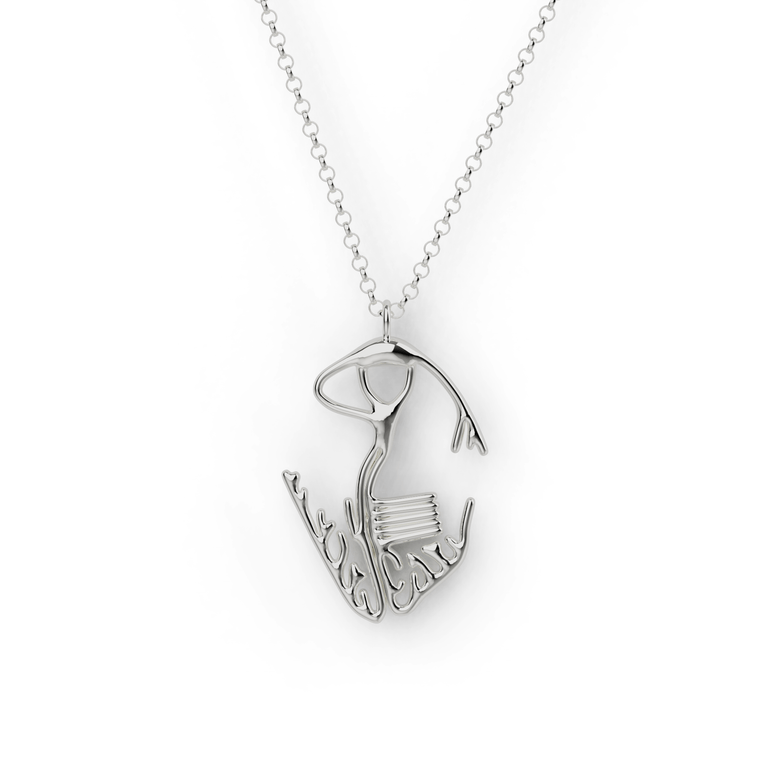
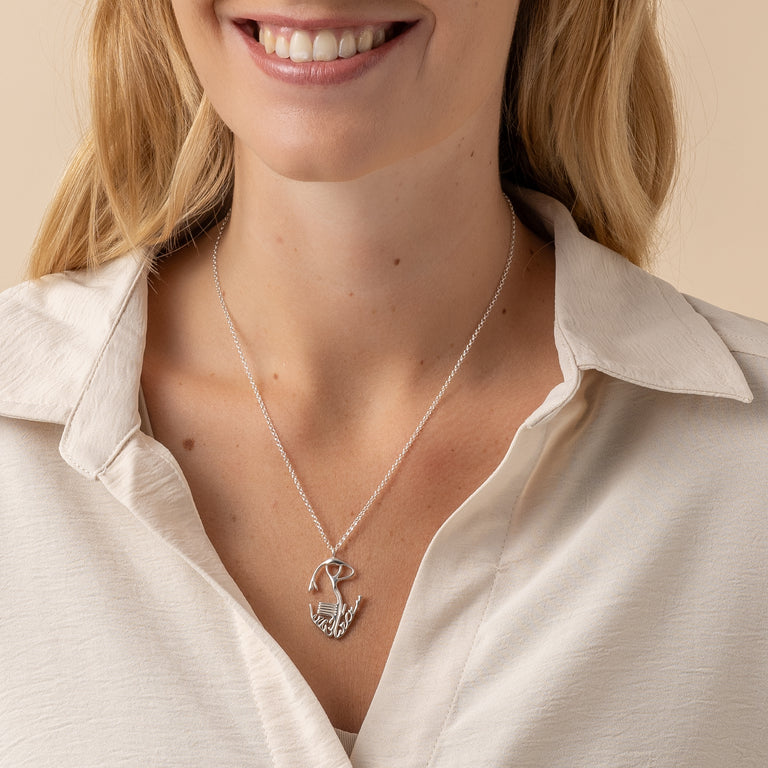
Cardiac conduction system necklace | sterling silver
The electrical circuit of the heart — the specialised tissue that initiates and coordinates every heartbeat from the sinoatrial node to the ventricular myocardium.
The Cardiac Conduction System
The cardiac conduction system begins at the sinoatrial (SA) node in the right atrial wall — the heart's natural pacemaker, generating 60–100 impulses per minute. The impulse spreads across the atria to the atrioventricular (AV) node at the base of the right atrium, which introduces a brief conduction delay allowing atrial emptying before ventricular contraction. From the AV node, the impulse travels down the bundle of His, divides into left and right bundle branches, and spreads through the Purkinje fibre network to activate ventricular myocardium in a coordinated, apex-to-base sequence. Disruption at any point in this pathway produces characteristic ECG patterns: heart block, bundle branch block, pre-excitation syndromes (WPW), or re-entrant arrhythmias.
A Meaningful Gift for Science Lovers
A piece for cardiologists, electrophysiologists, and cardiac nurses who work with the heart's electrical system.
- For a cardiologist or electrophysiologist who ablates arrhythmias
- For a cardiac device specialist who implants pacemakers and defibrillators
- For a cardiac nurse or ECG technician who interprets cardiac rhythms
- For a physiology student who has studied cardiac electrophysiology
Comes in a gift box. Free worldwide shipping.
You Might Also Like
- Cardiac conduction system necklace | gold vermeil
- Heart necklace | silver
- Aorta necklace | silver
- Heart section necklace | silver
FAQ
Q: Who studies cardiac electrophysiology?
A: Cardiologists, arrhythmia specialists, anyone researching atrial fibrillation or sudden cardiac death. Also for anyone who has had their rhythm abnormality mapped or ablated and understands the electrical system's critical role.
Q: What's the circuit that makes each heartbeat possible?
A: The SA node initiates the rhythm, the AV node gates conduction to the ventricles, and the His-Purkinje system distributes the signal to the ventricular myocardium. That elegant cascade is what keeps you alive.
Q: What are the specifications?
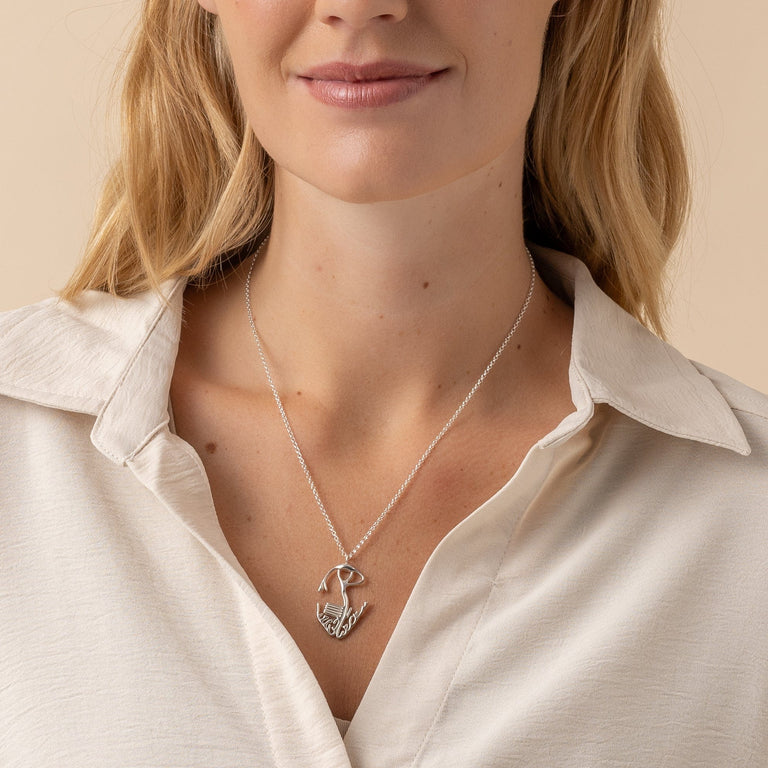
A: Cardiac conduction system in sterling silver on a 45 cm sterling silver chain.
Q: What's the DHL timeline?
A: 5 business days globally via DHL Express.
Human Anatomy
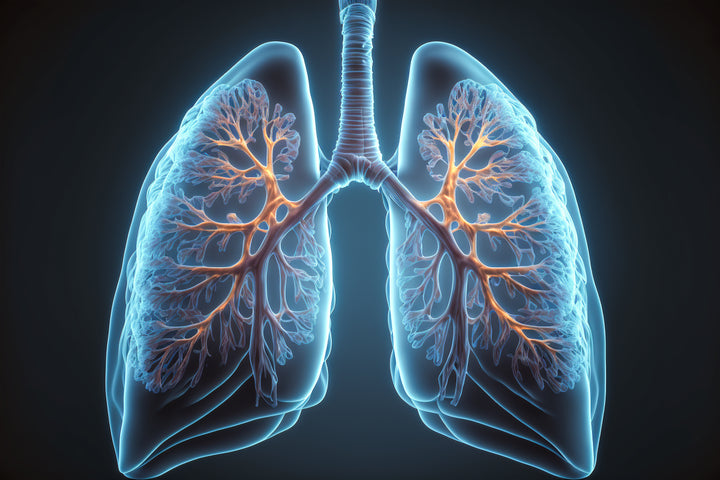
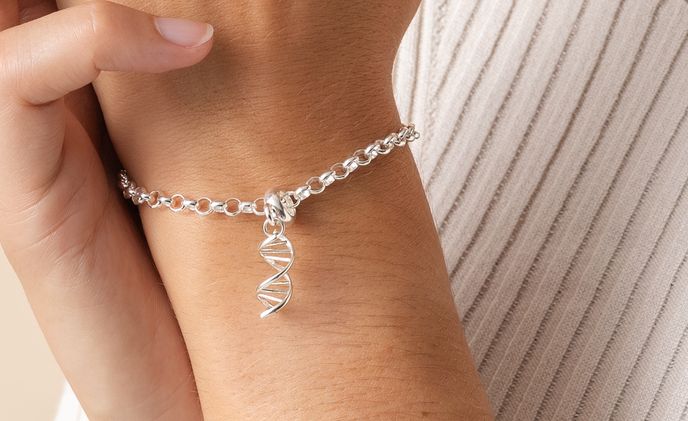
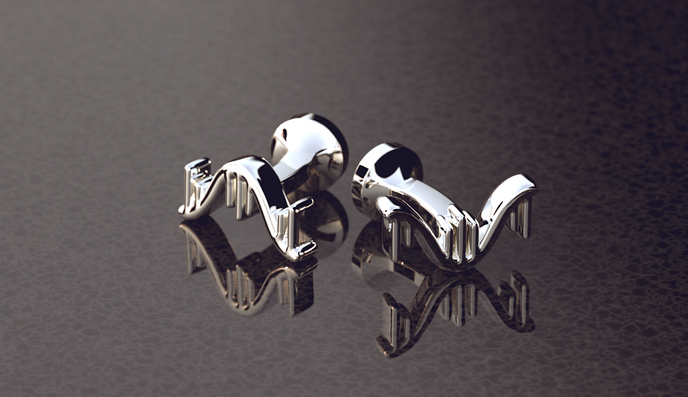
Anatomical wonders have never been so elegantly articulated. Our anatomical collection embodies the intricate and awe-inspiring structures that make us who we are. From DNA double helices to neuronal networks, our pieces don't merely imitate—they interpret. The collection serves as a tangible tribute to the hidden beauty within us all, elevating the realms of biology and medicine into wearable art. With exquisite attention to detail, each piece is a dialogue between form and function, revealing the enigmatic eloquence of the human body.
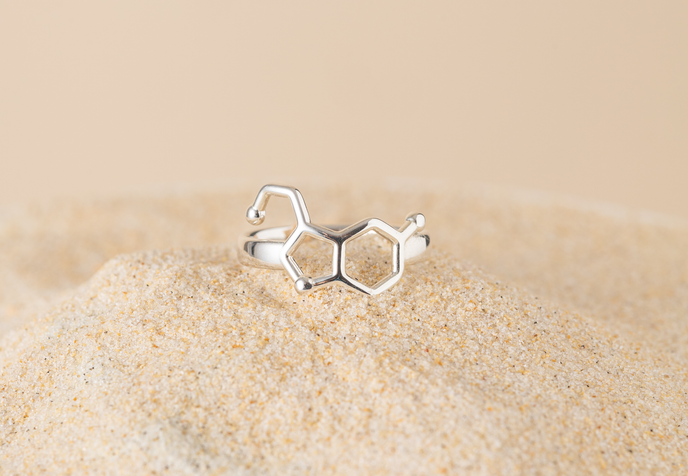

Find your perfect fit: measure an Existing Ring
Finding out your ring size at home is a simple process and can help you shop for jewelry online with confidence.
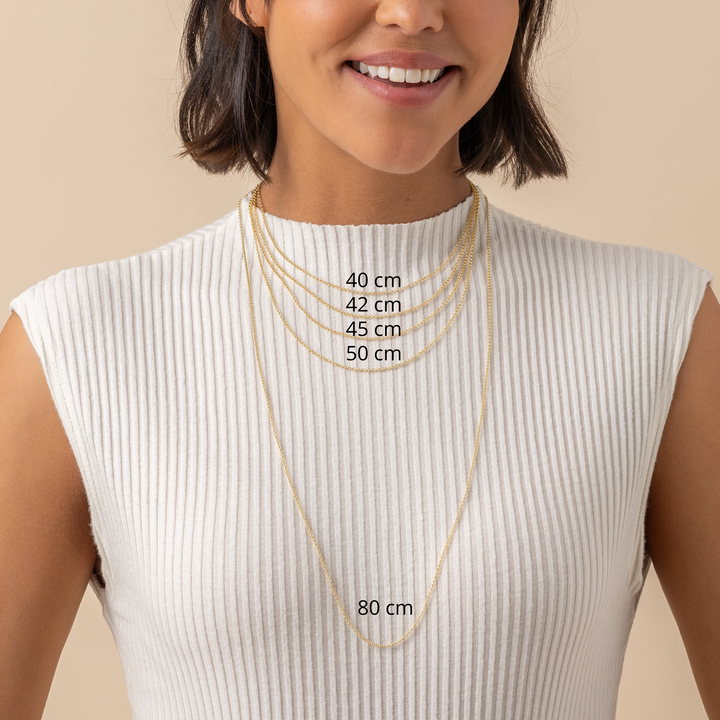
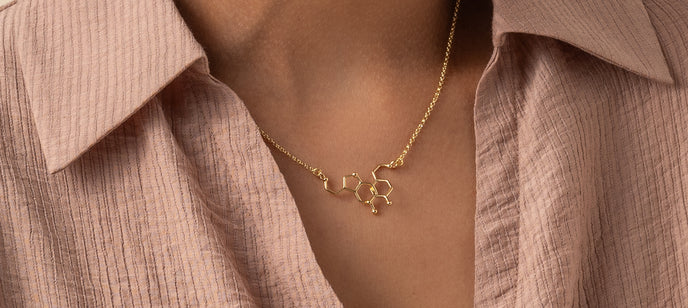
Necklace length guide