€ 190


Still questions? Contact us
Estrogen necklace 3D | sterling silver
Estrogen is more than estradiol. Plants produce phytoestrogens that bind estrogen receptors with varying affinity. Industrial chemicals disrupt estrogen signaling. The discovery of selective estrogen receptor modulators revealed that a single receptor can be activated or inhibited depending on ligand and tissue context. The steroid skeleton you see is estradiol, the dominant form, but the story is far more complex.
The Science Behind Estrogen
Estrogen receptors (ER-alpha and ER-beta) are nuclear hormone receptors that, when bound by ligand, act as transcription factors regulating hundreds of genes. The two subtypes have overlapping but distinct tissue distribution and often opposite transcriptional effects. Phytoestrogens including genistein (from soy), lignans (from flaxseed), and coumestrol bind these receptors with lower affinity than estradiol and act as weak agonists or partial antagonists depending on tissue context. Endocrine-disrupting compounds including bisphenol A (BPA), certain phthalates, and DDT metabolites also interact with the receptors at low concentrations, raising concerns about developmental effects during prenatal and early postnatal periods.
Who Reaches For This
- endocrinologists and reproductive biologists working with sex steroid pharmacology
- toxicologists and environmental health researchers studying endocrine disruption
- pharmacologists designing selective oestrogen receptor modulators
- anyone at the intersection of hormones, environmental chemistry, and reproductive health
Explore Related Molecules Jewelry
- Testosterone necklace | silver
- Cortisol necklace | silver
- Psilocybin necklace | silver
- Fluoxetine necklace | silver
FAQ
Is this meaningful for endocrinologists and biochemists?
Completely. Estradiol is one of the most structurally recognisable sex steroids. Anyone studying endocrinology, reproductive biology, organic chemistry, or toxicology knows this molecule intimately. The steroid skeleton itself is the teaching point.
Why is the context-dependence of oestrogen signalling important?
Because it means the same receptor can trigger opposite outcomes depending on the tissue and the co-regulatory proteins present. SERMs (selective oestrogen receptor modulators) like tamoxifen exploit this property: they antagonise oestrogen in breast tissue but agonise it in bone. Understanding context-dependent signalling transformed hormone replacement therapy and breast cancer treatment. It also explained why some environmental chemicals mimic oestrogen in some tissues but not others.
What size, material, and chain?
38 mm pendant in 925 polished sterling silver, nickel-free and hypoallergenic. 45 cm sterling silver chain with 5 cm extender. Ships free worldwide via DHL Express in 1-5 business days. Comes in a ready-to-gift eco-friendly box with the 30-day “Love It or Return It” policy.
Is this a gift for someone in reproductive medicine?
Yes. Estrogen is fundamental to reproductive endocrinology, fertility research, and hormone therapy. For anyone studying sex steroid pharmacology or clinical reproductive medicine, this pendant carries both structure and scientific weight.
Molecules
Delve into the hidden elegance of science with our meticulously crafted jewelry, inspired by the intricate structures of chemical molecules. Each piece serves as a tactile tribute to the building blocks of life and matter, capturing the allure of atoms and bonds in precious metals. A harmonious fusion of art and science, these creations are more than mere accessories; they're a celebration of the enigmatic beauty that underpins our universe.

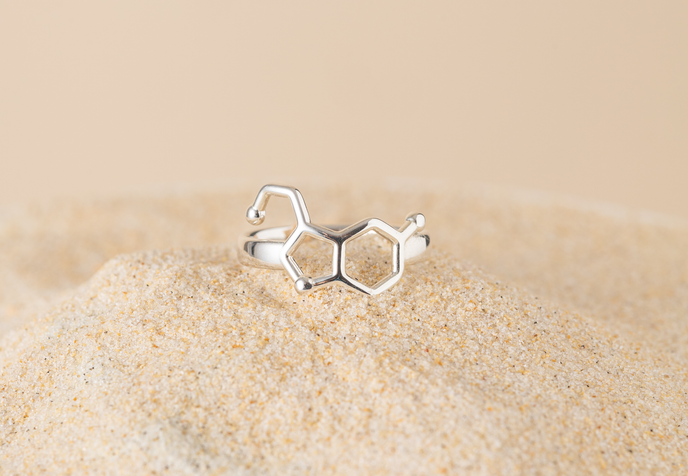

Find your perfect fit: measure an Existing Ring
Finding out your ring size at home is a simple process and can help you shop for jewelry online with confidence.
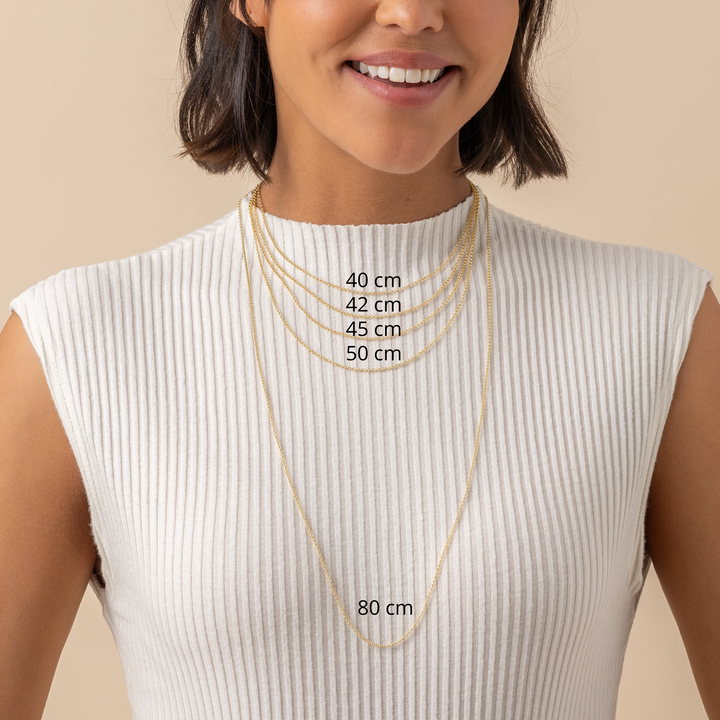
Necklace length guide