€ 160


Still questions? Contact us
Humerus necklace | sterling silver
The humerus is the long bone of the upper arm, articulating proximally with the shoulder and distally with the forearm. Surgical neck fractures in the elderly, spiral fractures from twisting injuries, supracondylar breaks in falling children. The humerus carries the weight of reach and the vulnerability of falls. Worn here as a 29 mm sterling silver pendant for those who understand the skeleton as a record of force and fragility.
The Anatomy and Fracture Patterns of the Humerus
The humerus is the largest bone of the upper limb, extending from the glenoid cavity of the scapula (shoulder joint) to the elbow, where it articulates with the radius and ulna. Anatomically, the humerus consists of the humeral head, anatomical neck, surgical neck, deltoid tuberosity, and distally the capitulum and trochlea (which articulate with radius and ulna respectively), medial and lateral epicondyles, and olecranon fossa. Common fracture sites reflect the biomechanics of trauma. Proximal humerus fractures (near the surgical neck) are the most common humeral fracture in elderly patients, often resulting from falls on an outstretched hand or direct impact. Midshaft (diaphyseal) fractures are often spiral fractures caused by twisting injuries. Supracondylar fractures occur just above the elbow, are most common in children, and result from falls with the elbow extended. Distal humerus fractures are less common but frequently require surgical intervention.
Who Reaches For This
- orthopedic surgeons specializing in upper extremity trauma and fracture repair
- emergency medicine physicians treating acute arm injuries
- physical therapists managing recovery from humeral fractures and shoulder surgery
- anatomists and physical anthropologists studying upper limb skeletal structure and function
Explore Related Anatomy Jewelry
- Knee necklace | silver
- Hyoid bone necklace | silver
- Heart-section necklace | silver
- Lungs necklace | silver
- Uterus necklace | silver
FAQ
What are the main anatomical features of the humerus?
The humerus has three major regions. Proximally, the humeral head articulates with the glenoid fossa of the scapula to form the shoulder joint. The surgical neck, just below the anatomical neck, is a common fracture site. The deltoid tuberosity is the roughened area on the lateral shaft where the deltoid muscle attaches. Distally, the capitulum articulates with the radial head and the trochlea articulates with the ulna. The medial and lateral epicondyles are bony projections where muscles of the forearm originate. The olecranon fossa, on the posterior surface, receives the olecranon process of the ulna when the elbow is fully extended.
What are the most common humeral fractures and why do they happen?
The three most common humeral fractures are proximal humerus fractures (near the surgical neck), midshaft spiral fractures, and supracondylar fractures. Proximal humerus fractures are the most frequent, occurring most often in elderly patients from a fall onto an outstretched hand or direct impact to the shoulder. Midshaft fractures typically result from twisting injuries or direct blows and often spiral along the bone's length. Supracondylar fractures are most common in children aged 5 to 9 years and result from falls with the elbow extended, such as falling off a monkey bar or trampoline. Distal humerus fractures are less common but frequently require surgical repair to restore proper elbow function.
What material is the pendant and what chain comes with it?
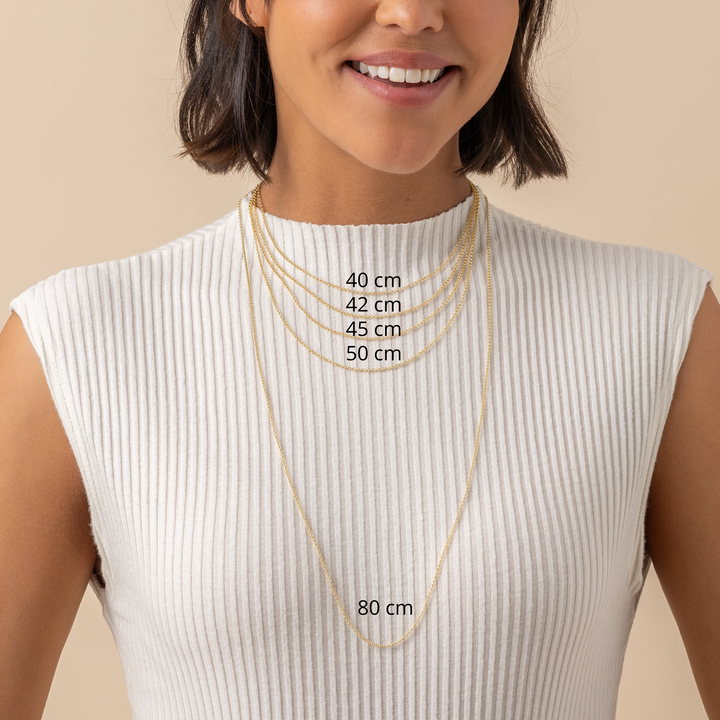
925 sterling silver, 29 mm pendant on a 45 cm sterling silver chain (ø 1.8 mm) with a 5 cm extender. Nickel-free and hypoallergenic. Free worldwide DHL Express in 1-5 business days, with all import duties and taxes covered. 30-day “Love It or Return It” returns.
Is there a gold version of the humerus?
Currently available in sterling silver only. If you are interested in a gold vermeil version, please contact us with a custom order inquiry.

Human Anatomy
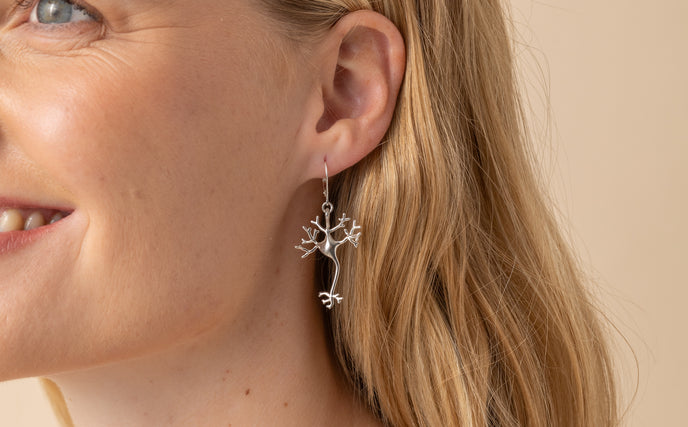
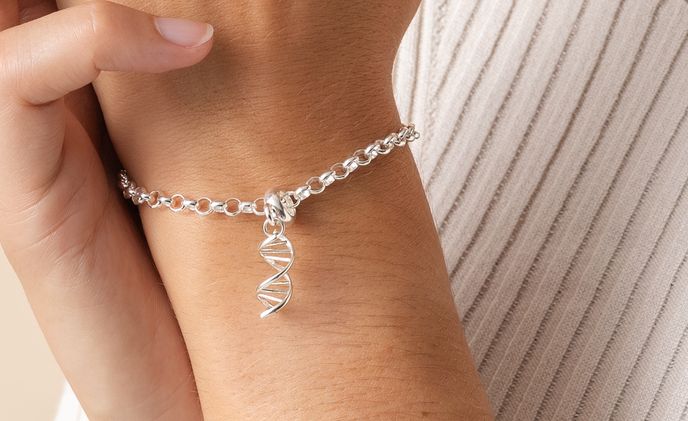
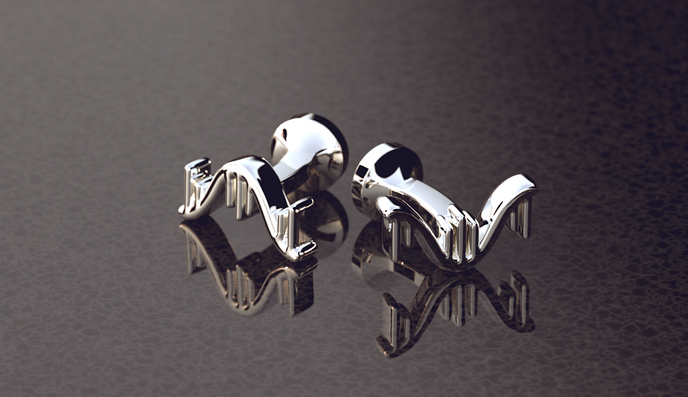
Anatomical wonders have never been so elegantly articulated. Our anatomical collection embodies the intricate and awe-inspiring structures that make us who we are. From DNA double helices to neuronal networks, our pieces don't merely imitate—they interpret. The collection serves as a tangible tribute to the hidden beauty within us all, elevating the realms of biology and medicine into wearable art. With exquisite attention to detail, each piece is a dialogue between form and function, revealing the enigmatic eloquence of the human body.
Find your perfect fit: measure an Existing Ring
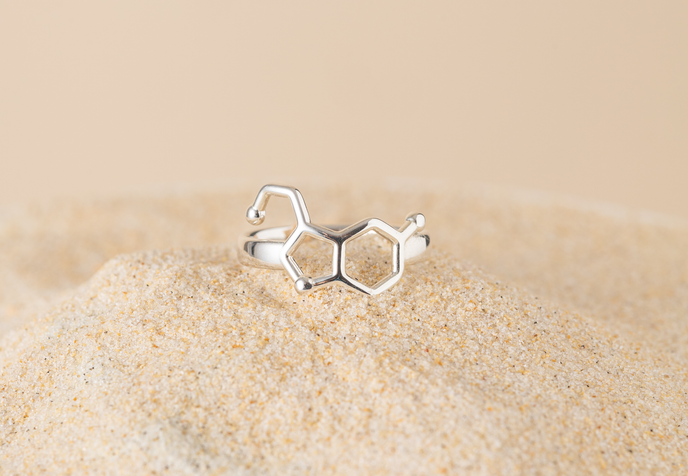
Finding out your ring size at home is a simple process and can help you shop for jewelry online with confidence.
Necklace length guide