€ 225


Still questions? Contact us
Lungs necklace | sterling silver
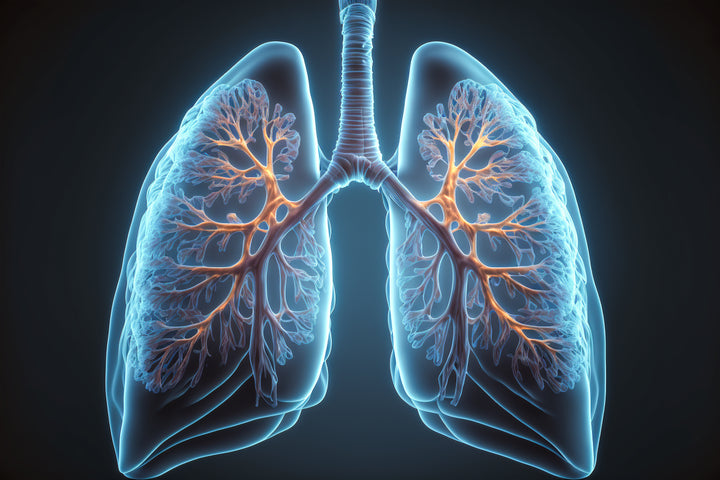
The lungs are air-exchange machines built for efficiency. About 480 million alveoli in each pair, with a surface area of roughly 70 square metres. Oxygen in, carbon dioxide out. A 21 mm sterling silver pendant centred at the chest.
The Science Behind the Lungs
Adult human lungs have a total volume of approximately 3 litres and contain roughly 480 million alveoli for gas exchange. The bronchial tree branches from the trachea through approximately 23 generations to reach the alveolar sacs. The total gas-exchange surface area is about 70 square metres, allowing efficient oxygen uptake into blood and carbon dioxide removal. Surfactant (produced by type II pneumocytes) reduces alveolar surface tension and prevents alveolar collapse during exhalation. Common pulmonary pathologies include pulmonary embolism, pneumonia, COPD, and asthma. Mechanical ventilation history stretches from Philip Drinker's iron lung in 1928 to modern positive-pressure ventilation, which became widespread after the polio epidemics of the 1950s, particularly in Copenhagen under Bjorn Ibsen.
Who Tends to Wear This
- pulmonologists, respiratory therapists, and pulmonary-function researchers
- critical-care clinicians managing patients on mechanical ventilation
- people living with chronic lung disease or asthma who own their lungs as strength
- anyone who understands the engineering of gas exchange and feels gratitude for breath
For someone who recognizes lungs as both anatomy and metaphor for resilience.
Explore Related Human Anatomy Jewelry
- Heart section necklace | silver
- Kidney necklace | silver
- Embryo necklace | silver
- Uterus necklace H | silver
FAQ
Who wears a lungs necklace?
Pulmonologists, respiratory therapists, and critical-care clinicians. Also people living with asthma, COPD, or other chronic lung disease who recognize their lungs as something they manage and depend on daily. The necklace works equally well as a clinical statement and a personal one. Some people wear it because they study lung physiology. Others wear it because they understand their own lungs intimately.
Why is the alveolar surface area so enormous?
Because gas exchange requires maximum contact between air and blood. If the lungs were a simple bag, the surface area would be tiny and gas exchange would be inefficient. By branching the bronchial tree 23 times, the lungs create roughly 70 square metres of alveolar surface in a space that fits inside your chest. That geometry allows oxygen to diffuse into the bloodstream fast enough to keep you alive during exercise. The mathematics of branching networks lets biology achieve efficiency that looks impossible until you understand the structure.
What size and material?
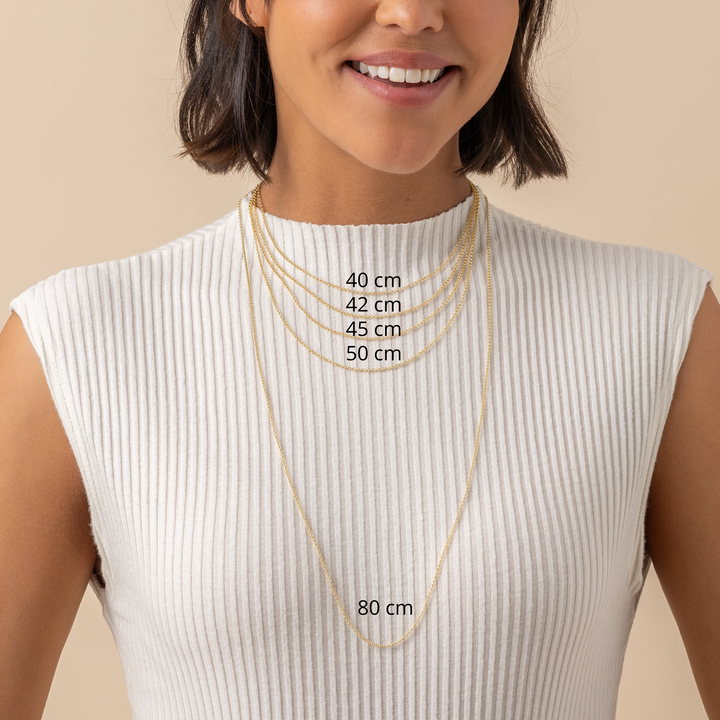
925 sterling silver, 21 mm pendant on a 45 cm sterling silver chain (ø 1.8 mm) with a 5 cm extender. Nickel-free and hypoallergenic. Free worldwide DHL Express in 1-5 business days, with all import duties and taxes covered. 30-day “Love It or Return It” returns.
Is there a gold version of the lungs?
Not currently. If you would prefer gold vermeil, let us know and we can explore that as a future variant.
Human Anatomy
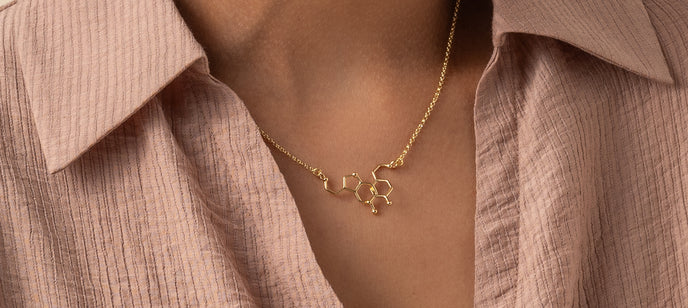
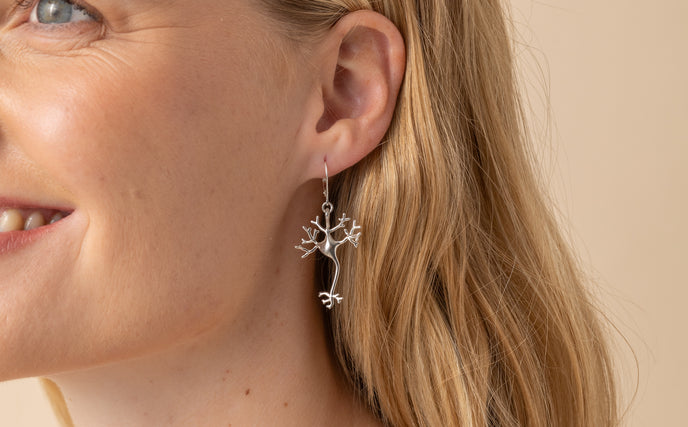
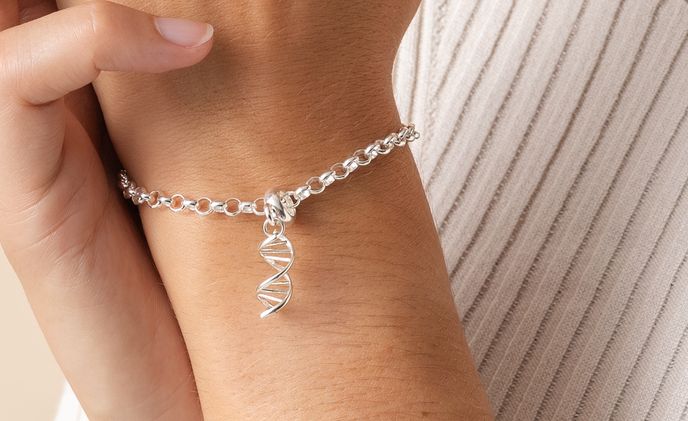
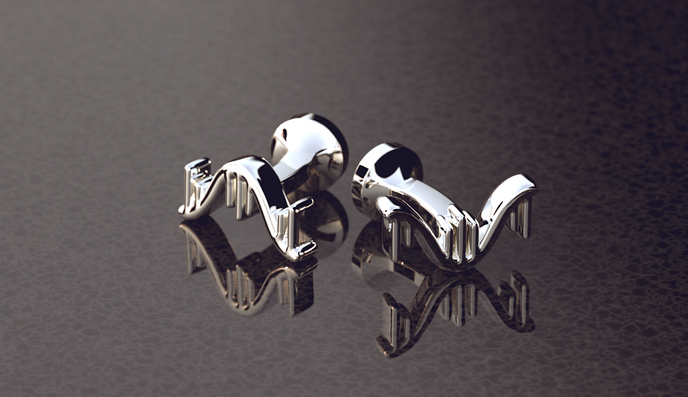
Anatomical wonders have never been so elegantly articulated. Our anatomical collection embodies the intricate and awe-inspiring structures that make us who we are. From DNA double helices to neuronal networks, our pieces don't merely imitate—they interpret. The collection serves as a tangible tribute to the hidden beauty within us all, elevating the realms of biology and medicine into wearable art. With exquisite attention to detail, each piece is a dialogue between form and function, revealing the enigmatic eloquence of the human body.
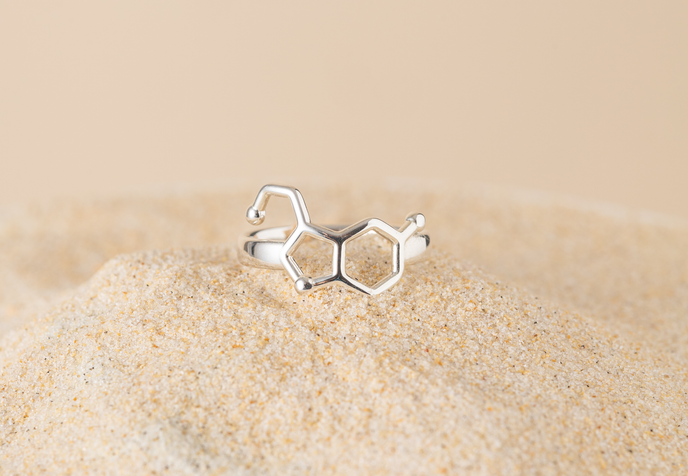
Find your perfect fit: measure an Existing Ring
Finding out your ring size at home is a simple process and can help you shop for jewelry online with confidence.
Necklace length guide