€ 225


Still questions? Contact us
Macaque skull necklace | sterling silver
If you have spent any time in primate research or worked with the historical literature on biomedical models, the macaque skull is the working anatomy of the field. Macaca mulatta and Macaca fascicularis have done more for human medicine than any other research animal in the past century. Worn here as a 22 mm sterling silver pendant.
The Anatomy of the Macaque Skull
Macaca mulatta (rhesus macaque) and Macaca fascicularis (cynomolgus or crab-eating macaque) are the two most-used non-human primate species in biomedical research. Their brain organisation is similar enough to humans for translational neuroscience, their immune system close enough for vaccine and infectious-disease work, and their reproductive biology accessible enough for developmental studies. The polio vaccine development programmes of the 1950s relied heavily on rhesus macaque tissue. SARS-CoV-2 vaccine candidates were validated in cynomolgus cohorts, including the Mauritian island population that supplies a large fraction of laboratory animals globally. The skull itself is a smaller, less prognathic version of the broader catarrhine primate morphology, with a brain-to-body ratio that places macaques squarely within the social and behavioural complexity that makes them valuable research subjects. Ethical considerations about non-human primate research are real and active, with ongoing refinement, replacement, and reduction efforts shaping the modern field.
Who Reaches For This
- primatologists and comparative anatomists
- biomedical researchers who have worked with non-human primate models
- vaccine developers and infectious-disease scientists
- neuroscientists working on translational primate models
For someone who reaches for the macaque skull when the conversation is about translational medicine and the species that made it possible, not generic primatology.
Explore Related Animal Skull and Skeleton Jewelry
- Orangutan skull necklace | silver
- Horse skull necklace | silver
- Dog skull necklace | silver
- Cat skull necklace | silver
- Raven skull necklace | silver
FAQ
Will a researcher who has worked with primates find this respectful enough?
The audience that buys this almost always frames it that way. People who have worked with macaque models in vaccine development, neuroscience, or reproductive biology pick the pendant up as an honest acknowledgment of the species' role in human medicine. The piece reads as anatomy, not as decoration. Anyone outside that working context may bring their own reading. The wearer determines the meaning.
Why are macaques the dominant primate model rather than chimpanzees?
Because the practical and ethical constraints are very different. Chimpanzees are genetically closer to humans but are now subject to much stricter research limits in most countries (the United States ended invasive chimpanzee research in 2015). Macaques are anatomically and immunologically close enough for most translational work without the same ethical and regulatory burden, and the supply through dedicated breeding programmes (including the Mauritian cynomolgus colonies) has kept them available where chimpanzees are not. The trade-off is real and openly debated within the field.
What size is the pendant and what is the return policy?
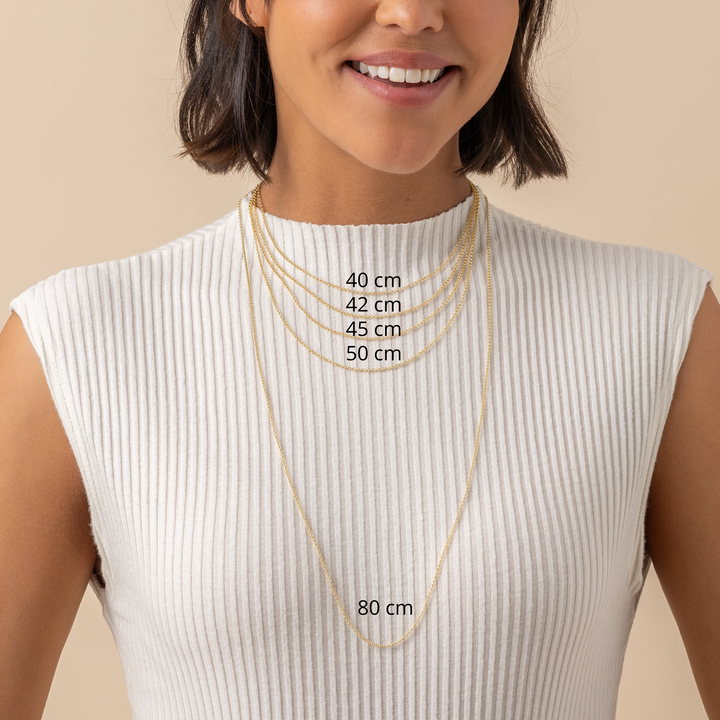
925 sterling silver, 22 mm pendant on a 45 cm sterling silver chain with a 5 cm extender. Nickel-free and hypoallergenic. Free worldwide DHL Express in 1-5 business days, with all import duties and taxes covered. 30-day “Love It or Return It” returns.
Is there a gold version, or other primate skulls?
The macaque skull is sterling silver only. The catalogue carries the orangutan skull in silver, plus other comparative-anatomy pieces in silver and gold across canine, equine, avian, and skeletal themes. Macaques are not currently available in gold vermeil.
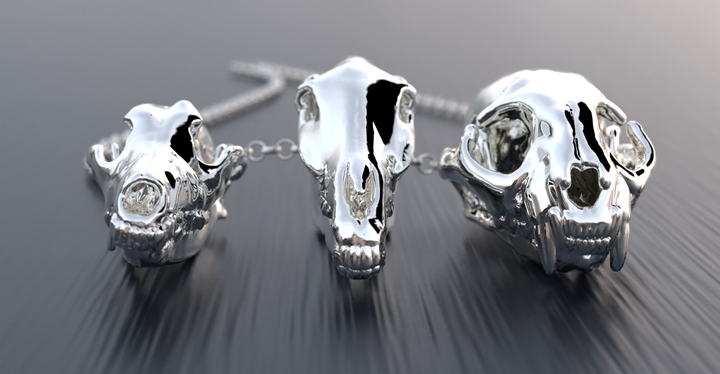
Animal skulls & bones
Drawing upon the intricate architecture of animal anatomy, our collection captures the haunting beauty of skulls and bones. Each piece serves as a tactile memento mori, reminding us of the delicate balance between life and death. Crafted with scientific accuracy, these masterpieces evoke a sense of awe and curiosity, offering a tribute to the intricacies of the natural world. Far more than mere adornments, they are conversation-starters that provoke intellectual dialogue.
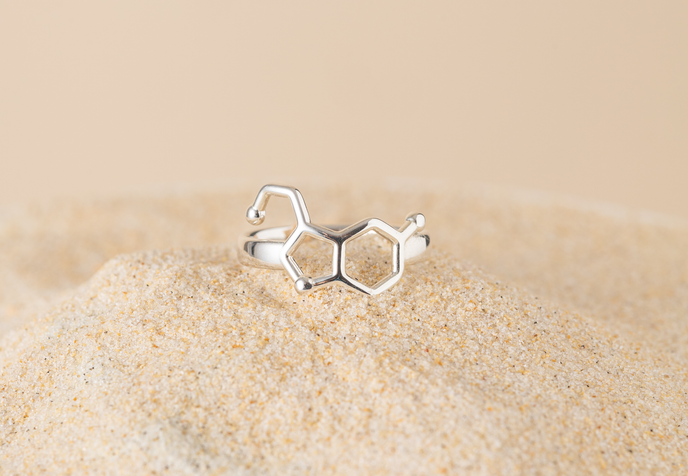
Find your perfect fit: measure an Existing Ring
Finding out your ring size at home is a simple process and can help you shop for jewelry online with confidence.
Necklace length guide