€ 175


Still questions? Contact us
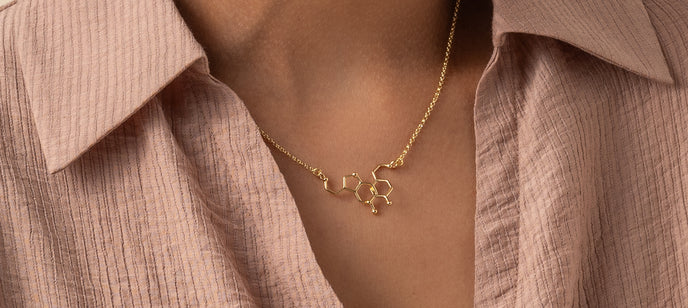
Melanocyte necklace | sterling silver
The cell that decides skin colour is not a skin cell at all by origin. The melanocyte starts life in the neural crest, then migrates out to the skin, hair, eyes, and inner ear during development. By the time it reaches the basal layer of the epidermis, it has more in common with a neuron than with the keratinocytes around it.
The Science of the Melanocyte
Melanocytes produce melanin in dedicated organelles called melanosomes, which are then transferred along the cell's processes to surrounding keratinocytes. There the melanosomes form a protective cap over the keratinocyte nucleus, absorbing UV radiation before it can reach DNA. Two main pigments are made: eumelanin (brown and black) and pheomelanin (red and yellow), with the ratio set by signalling through the MC1R receptor and the MITF transcription factor. Melanocytes are also the cells that give rise to melanoma, one of the most mutable cancers known. The same migratory and proliferative machinery that lets a melanocyte travel from the neural crest to the skin during development is what makes melanoma so prone to spread.
Worn By
Researchers and clinicians whose work runs through pigment biology:
- dermatologists, melanoma oncologists, and skin pathologists
- pigment biologists working on melanocyte differentiation, MC1R signalling, or melanosome trafficking
- developmental biologists studying neural crest migration
- UV biologists, photobiologists, and researchers in skin cancer prevention
- cell biology students who have just covered the neural crest in lecture
Frequently bought as a graduation gift after a doctorate in dermatology research or melanoma biology.
Explore Related Cellular Biology Jewelry
- Melanocyte necklace | gold vermeil
- Fibroblast necklace | silver
- Photoreceptor necklace | silver
- Mammalian cell necklace | silver
FAQ
What do you give a dermatologist who has spent their career on skin biology?
Something specific to the cell their work is built on. A pendant that names the melanocyte directly tends to land as a gift from someone who paid attention to what the work actually is, rather than reaching for a generic medical symbol. Often given by partners or grad students who have heard the lectures often enough to have their own opinions on MC1R.
Where do melanocytes actually come from in development?
The neural crest, the same embryonic tissue that produces peripheral neurons and Schwann cells. Neural crest cells delaminate from the dorsal neural tube and migrate ventrally, with a melanocyte fate set by Wnt and BMP signalling along the way. Functionally a melanocyte ends up looking like a skin cell, but its lineage and migration biology are closer to a neuron than to a keratinocyte. That ancestry is why neural crest disorders sometimes show pigmentation abnormalities alongside neurological signs.
What's the size, material, and chain?
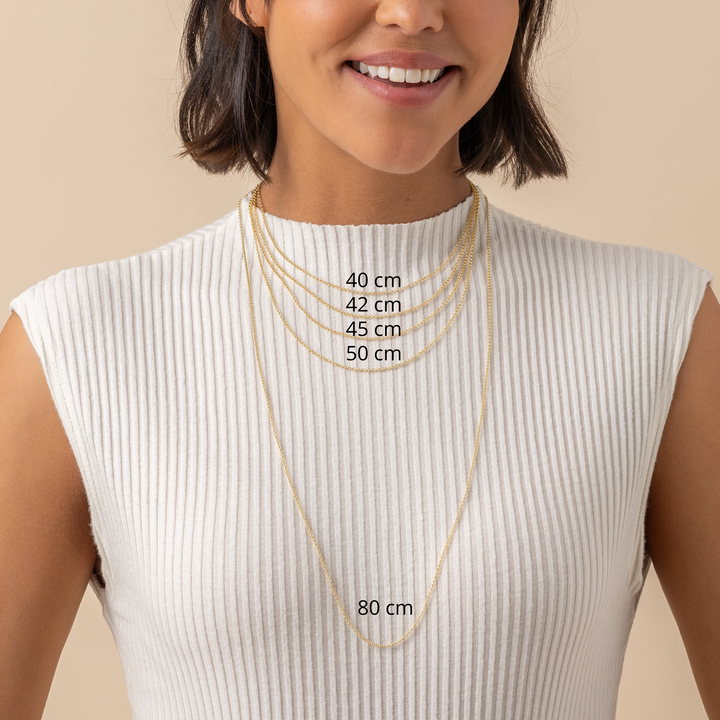
30 mm pendant in 925 sterling silver, nickel-free. 45 cm sterling silver chain with a 5 cm extender. Ships free worldwide via DHL Express in 1-5 business days, with all import duties prepaid. Comes in a ready-to-gift jewelry box with the 30-day “Love It or Return It” policy.
Is there a gold version?
Yes. The melanocyte is also available in 18k gold vermeil at the same 30 mm size. Same model, warmer finish, more formal register.
Cellular Biology
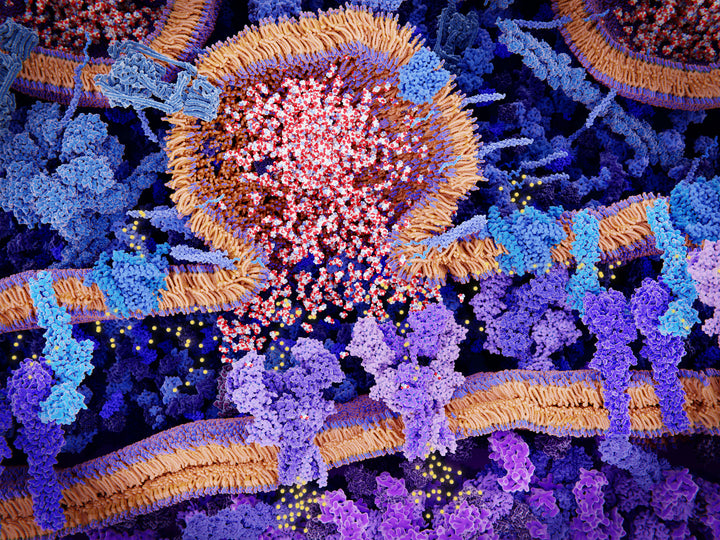
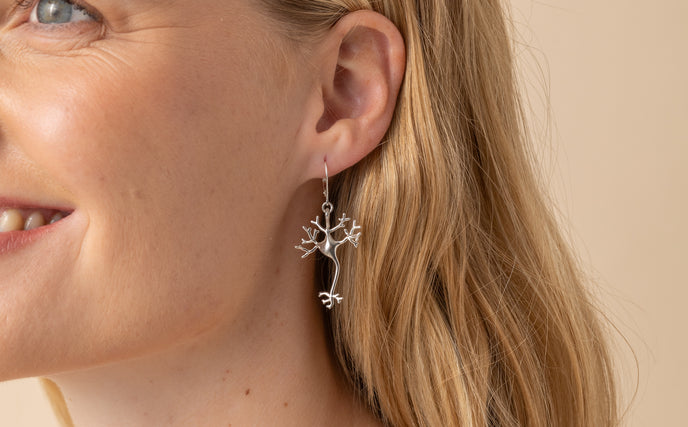
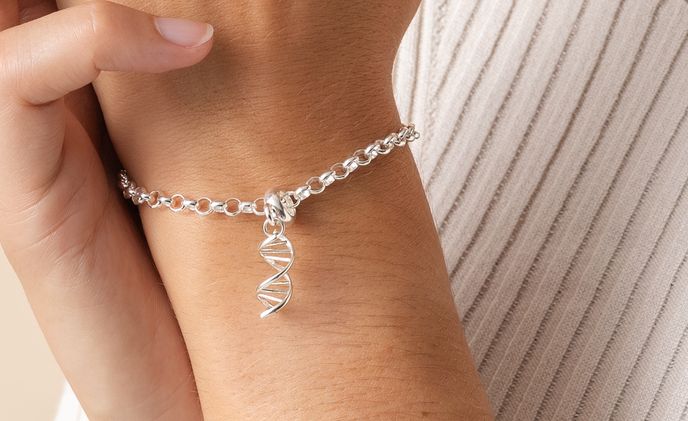
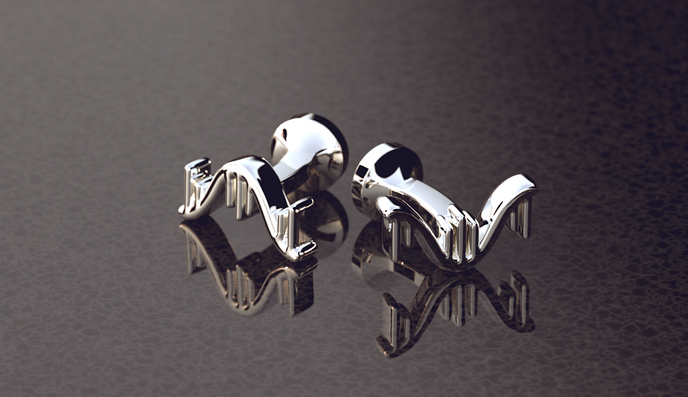
Step into the fascinating world of cellular biology through our unique jewelry designs. These pieces serve as wearable reflections of life's microscopic wonders, capturing the aesthetics of DNA strands, cellular formations, and more. Far from simple adornments, they spark dialogue and honor the captivating complexities found within biological research. Merging scientific accuracy with artistic flair, each creation offers a tactile experience that bridges the gap between scientific inquiry and aesthetic appreciation.
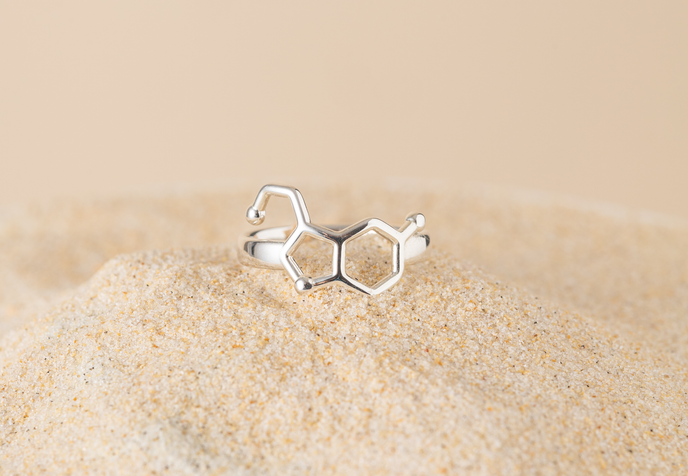
Find your perfect fit: measure an Existing Ring
Finding out your ring size at home is a simple process and can help you shop for jewelry online with confidence.
Necklace length guide