€ 215


Still questions? Contact us
metaphase necklace | sterling silver
If you count mitotic figures, the metaphases are the ones you spot first. This is the stage where every chromosome is maximally condensed, aligned at the equator, and about to be pulled apart. Walther Flemming described the process in 1882 and named it mitosis. Eduard Strasburger named this stage in 1884. Cell biologists are still looking at it.
The Science Behind Metaphase
Metaphase sits between prophase and anaphase. The spindle assembly checkpoint holds the cell there: a surveillance mechanism that blocks division until every chromosome is properly attached to spindle fibers. Two yeast genetic screens found it in 1991, when Li and Murray named the MAD genes and Hoyt, Totis and Roberts named the BUB genes. It is one of the cell's more important tumor suppressor mechanisms. If it fails, chromosomes can missegregate, producing aneuploidy, a hallmark of most solid tumors. Drugs including taxol and the vinca alkaloids disrupt spindle assembly, and the arrest that follows is what stops cancer cells completing division.
The Audience
- cell and developmental biologists
- cancer researchers and oncologists
- pharmacologists working with anti-mitotic drugs
- genetics students and cytologists
Explore Related Genetics Jewelry
- Mitosis necklace | gold vermeil
- Flat chromosome necklace | silver
- CRISPR Necklace | silver
- Drosophila Necklace | silver
FAQ
Why do cell biologists focus on metaphase?
Metaphase is the most visually distinct phase of mitosis. The chromosomes are fully condensed, aligned, and easiest to count and analyze. It is the diagnostic benchmark for chromosome counting and karyotyping in medical diagnostics.
What do you give a cell biologist?
Metaphase. The stage they were looking for under the microscope. Someone who has spent time counting mitotic figures recognizes this necklace immediately.
What are the size, material, and chain?
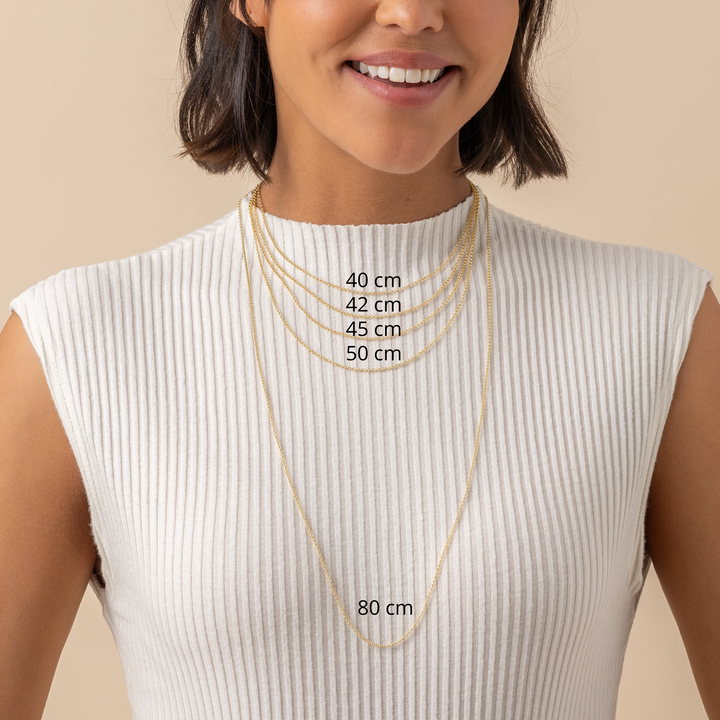
41 mm sterling silver pendant on a 45 cm sterling silver chain with 5 cm extender. 925 polished sterling silver, nickel-free and hypoallergenic. Ships free worldwide via DHL Express in 1-5 business days. Comes in a ready-to-gift jewelry box with the 30-day “Love It or Return It” policy.
Is there a gold version?
Yes. Metaphase is available in 18k gold vermeil at the same 41 mm size.

Genetics
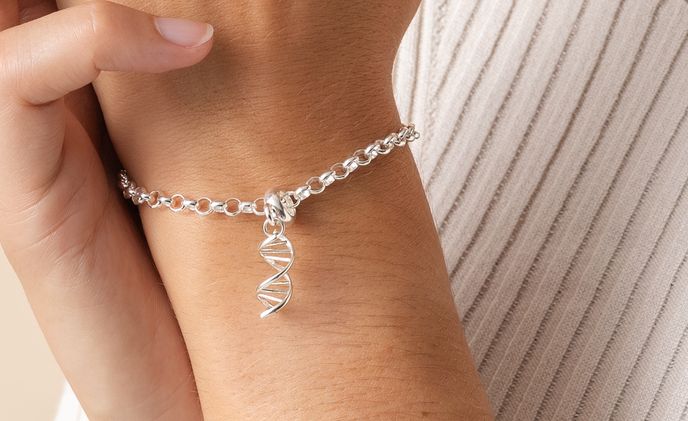
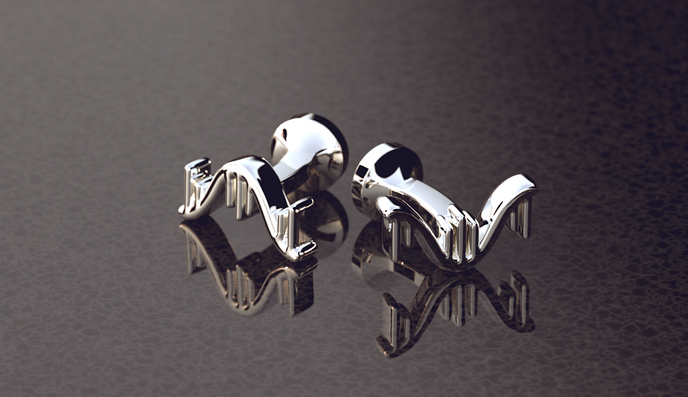
Our genetics-inspired jewelry captures the essence of life's code in striking detail. Crafted to mirror the DNA double helix, each piece is more than an aesthetic marvel—it's a tribute to the complexity of our genetic makeup. Far from ordinary, this collection combines scientific precision with artistic flair, making each item a captivating blend of form and function. It's not just an accessory; it's a meaningful representation of the miracle that is genetics.
Find your perfect fit: measure an Existing Ring
Finding out your ring size at home is a simple process and can help you shop for jewelry online with confidence.
Necklace length guide