€ 205


Still questions? Contact us
Petri dish earrings | sterling silver
In 1887 Julius Richard Petri, working as Robert Koch's assistant at the Royal Prussian Institute for Infectious Diseases in Berlin, designed the cylindrical glass dish that now carries his name. Microbiology became standardised in a single year. Worn here as 20 mm sterling silver leverback earrings.
The Science Behind the Petri Dish
Julius Petri's 1887 dish was a small, flat, cylindrical container with a slightly larger overlapping lid that protects the culture surface from airborne contamination while permitting gas exchange. Before Petri, microbial culture relied on flat plates, gelatin sheets, or sealed flasks, none of which combined sterility, observability, and routine handling. The Petri dish enabled the standard streak-plate technique that allowed isolation of pure bacterial strains, which in turn made Koch's postulates operationally useful and helped establish the germ theory of disease. The basic design has barely changed: 90 to 100 mm glass dishes were standard for nearly a century, with disposable plastic versions taking over from the 1960s. The dish remains a daily working tool across clinical microbiology, environmental microbiology, food safety testing, antibiotic susceptibility testing, and microbiology teaching laboratories.
The Audience
- microbiologists across clinical, environmental, food, and industrial subfields
- laboratory technicians and biomedical scientists running daily plate work
- infectious-disease physicians and clinical microbiologists
- microbiology educators and graduate students learning culture techniques
Explore Related Medical and Lab Tools Jewelry
- Microscope earrings | silver
- Eppendorf earrings | silver
- Scalpel earrings | silver
- Microscope necklace | silver
- Syringe necklace | silver
FAQ
Are these for working microbiologists or for science enthusiasts?
The earrings work cleanly in either context. The piece reads as the working tool rather than as a generic biology reference.
Why has the Petri dish design barely changed since 1887?
Because the basic geometry already solves the practical problems of routine microbiology. A flat plate gives observable colonies and easy access for streaking. A slightly larger overlapping lid prevents airborne contamination while allowing gas exchange. A small, stackable form factor fits incubators efficiently. The plastic disposable variants from the 1960s changed the material but not the dimensions or the working principle. Specialised variants exist (compartmented plates, triple-vented plates, glass-bottom plates for microscopy) but the standard 90 to 100 mm dish covers most of microbiology.
What size are the earrings and what is the return policy?
925 sterling silver, 20 mm Petri dish earrings on sterling silver leverback hooks. Nickel-free and hypoallergenic, no chain. Free worldwide DHL Express in 1-5 business days, with all import duties and taxes covered. 30-day “Love It or Return It” returns.
Is there a matching necklace?
Yes. The same petri dish design comes as a 20 mm pendant, in sterling silver or 18K gold vermeil, on a 45 cm chain with a 5 cm extender. There is also a silver bracelet with the same 20 mm charm.

Medical & Lab tools
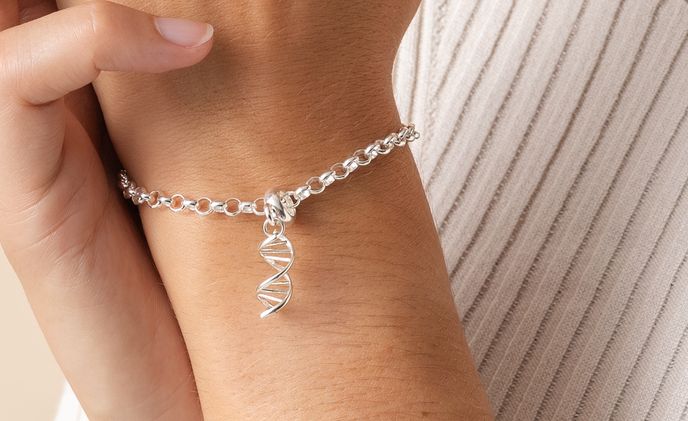
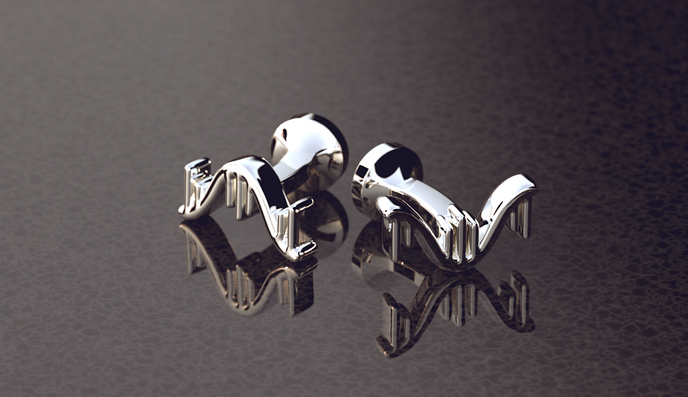
Dive into the captivating world of science-inspired jewelry, where intricate designs meet the essence of medical and laboratory tools. These masterfully crafted pieces act as subtle yet striking tributes to the instruments that have paved the way for scientific discovery. From DNA helices to microscope charms, each piece serves as a conversation starter, a talisman, and a small monument to human ingenuity. They're not just accessories; they're wearable artifacts that tell a story of scientific exploration and advancement.
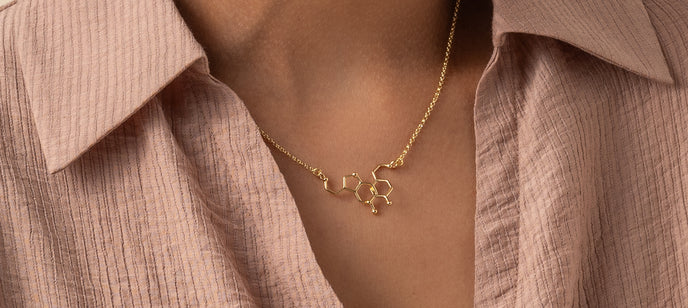
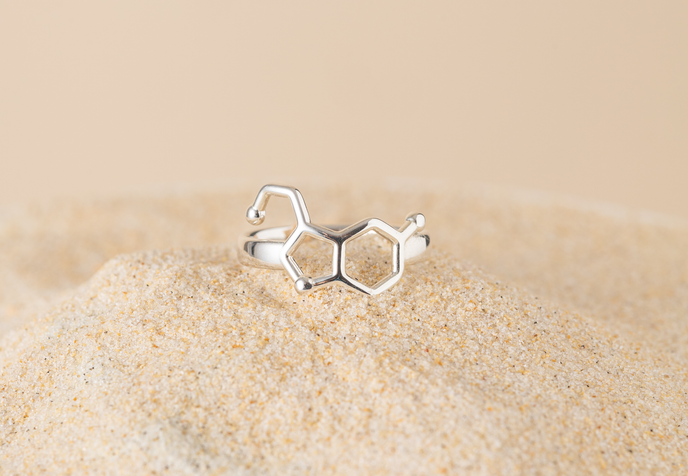
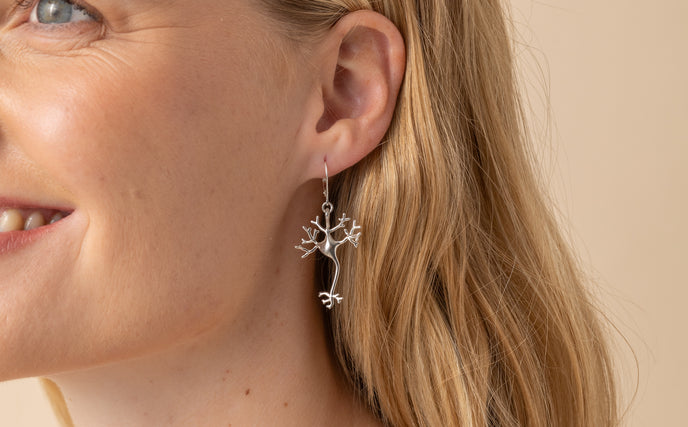
Find your perfect fit
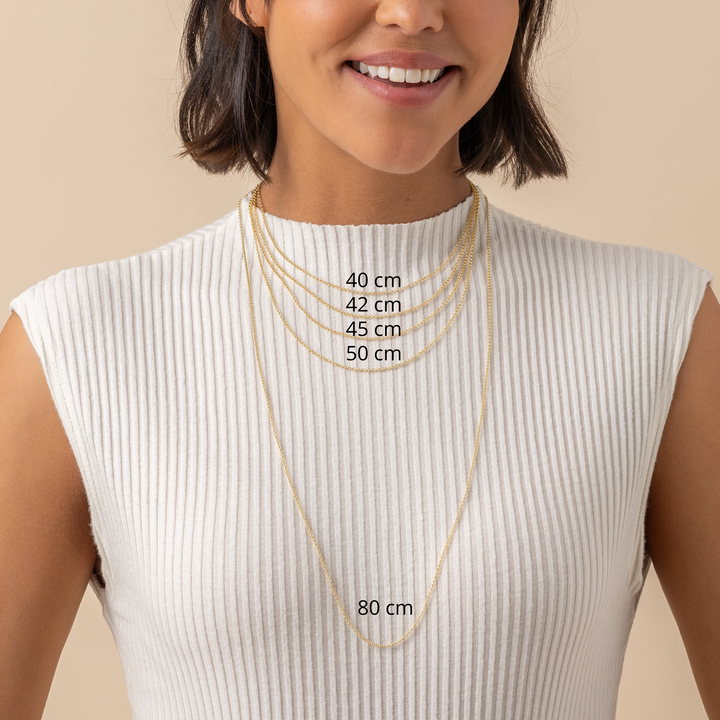
Necklace length guide