€ 150


Still questions? Contact us
Red blood cells necklace S | sterling silver
Some people spend years with a single kind of cell. One customer wrote a master's thesis on red blood cells and bought this small red blood cells necklace to keep. It also makes a gift for a wife who is a doctor and is finishing her doctoral degree.
Who It's For
- your own consultant haematologist
- the leader of your hospital laboratory, for her retirement
- someone who already wears the red blood cell studs or earrings, to make a set
- yourself, if you want a small piece that doesn't feel heavy
Valerie W.: “The quality is great and the delivery was so fast!” Claire S., on the larger L necklace: “It is nice to have the science theme of red blood cells, but the necklace stands out as a unique abstract design on its own.”
How a Red Blood Cell Is Made
A human red blood cell begins in the bone marrow with a nucleus. As it fills with haemoglobin it pushes the nucleus out, and a neighbouring macrophage swallows it. Within a few days the young cell also clears out its mitochondria and ribosomes. What remains can no longer divide or build new proteins, and it carries oxygen without using any to power itself. It lasts about 120 days, and an adult makes around two million new ones every second to keep up. Giving up the nucleus is a mammal's habit. The red cells of birds and reptiles, and of nearly all amphibians and fish, keep theirs for life.
Explore Related Haematology Jewelry
- red blood cells necklace S | gold vermeil
- red blood cells necklace L | silver
- red blood cell studs | silver
- hemoglobin necklace | silver
FAQ
How big is the pendant, and how does it sit?
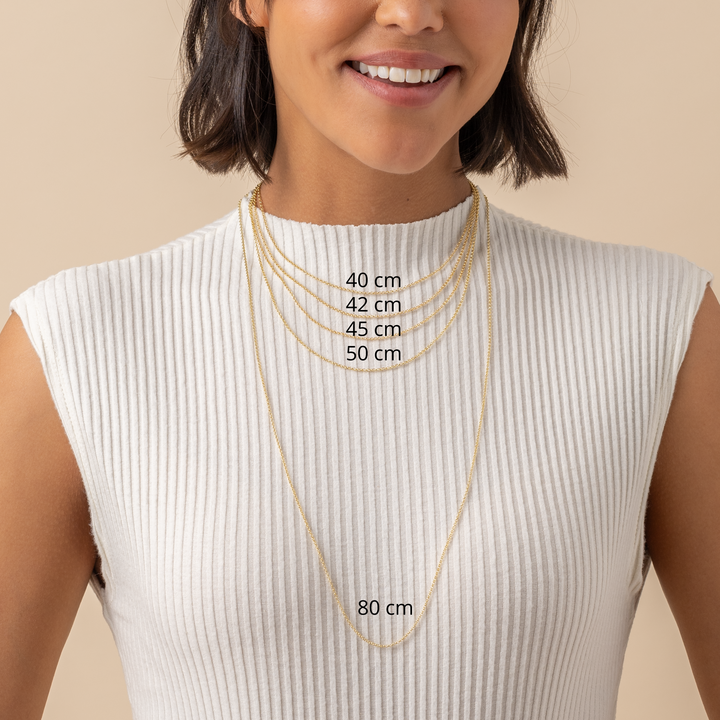
The pendant measures 17 mm (about 0.7 inches), just under the width of a US dime and well under a 2-euro coin (25.75 mm). The chain is attached to the pendant on both sides, so the pendant cannot be moved to another chain. It sits around the collarbone. The chain is 45 cm (17.7 inches) long, with a lobster clasp and a 5 cm (2 inch) extender. Our sterling silver is 925, nickel-free and hypoallergenic. If it darkens over time, a soft polishing cloth brings it back.
Is there a gold vermeil version, or a larger one?
Yes to both. This S necklace also comes in 18K gold vermeil, at the same 17 mm. Choose the finish she already wears: the design is the same in both. The red blood cells necklace L has a 26 mm pendant and comes in sterling silver and in gold vermeil. For a set, the red blood cell studs (8 mm) come in both finishes, and the leverback earrings (16 mm) in sterling silver.
Will it arrive in time, and what if it isn't right?
DHL Express delivers free in 1-5 business days worldwide, and we pay the import duties and taxes, so nothing is due at the door. It arrives in a ready-to-gift jewelry box and festive envelope. If it isn't right, our 30-day “Love It or Return It” policy applies.
Is there an animal with a backbone and no red blood cells?
Yes: the icefish of the Antarctic. Whalers at South Georgia told of a fish with no blood, and when the Norwegian biologist Johan Ruud first heard of it there in 1929, he did not take it seriously. In 1953 he caught several, and in 1954 reported in Nature that their blood was nearly transparent, with no red cells and no haemoglobin. Icefish carry oxygen dissolved in their blood, about a tenth of what red-blooded relatives carry, helped by cold, oxygen-rich water, a large heart and a large blood volume.
Cellular Biology
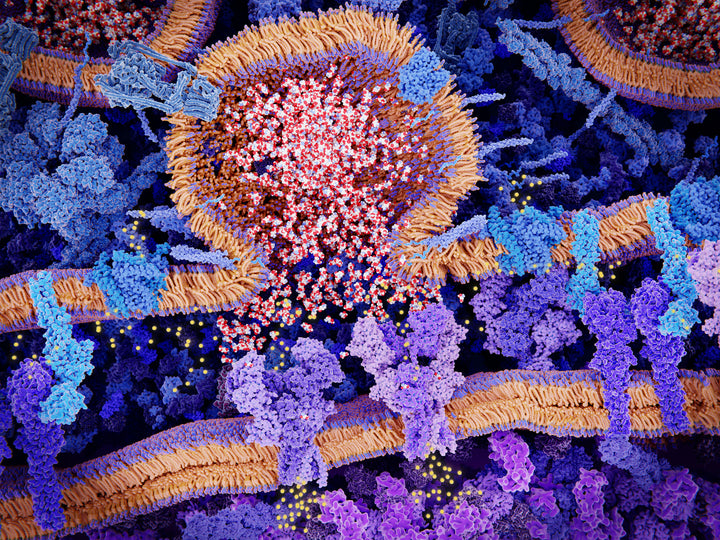
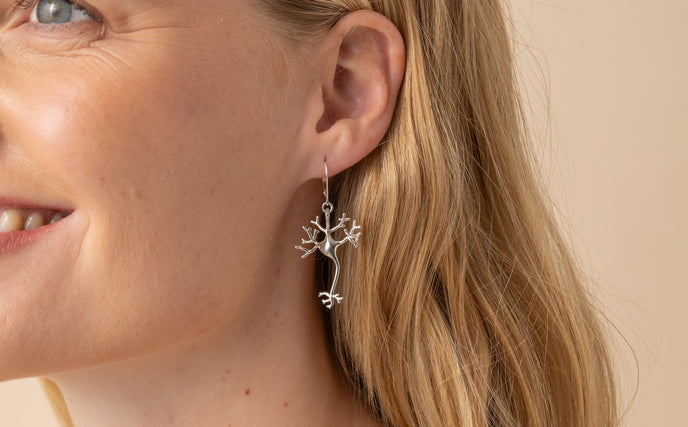
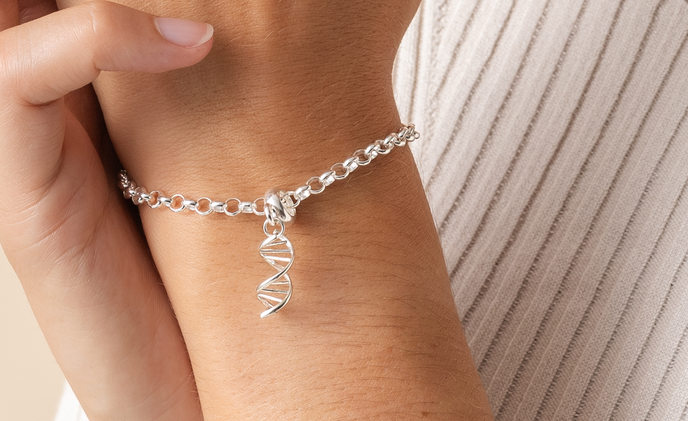
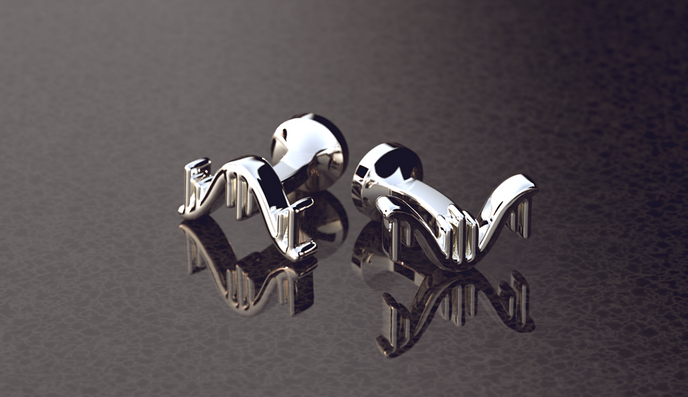
Step into the fascinating world of cellular biology through our unique jewelry designs. These pieces serve as wearable reflections of life's microscopic wonders, capturing the aesthetics of DNA strands, cellular formations, and more. Far from simple adornments, they spark dialogue and honor the captivating complexities found within biological research. Merging scientific accuracy with artistic flair, each creation offers a tactile experience that bridges the gap between scientific inquiry and aesthetic appreciation.
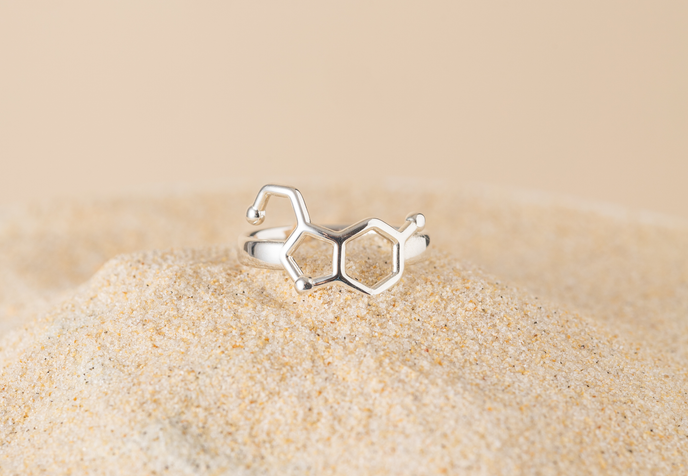
Find your perfect fit: measure an Existing Ring
Finding out your ring size at home is a simple process and can help you shop for jewelry online with confidence.
Necklace length guide