€ 200


Still questions? Contact us
Tooth necklace | 18k gold vermeil
Tooth enamel is the hardest substance the human body produces. It is also the only tissue that cannot heal itself once damaged, which is what makes enamel and its disorders the persistent focus of dental science and why this piece matters to the people who study it.
The Anatomy of a Tooth
Enamel is 96% mineral content by weight, composed primarily of hydroxyapatite crystals. It is acellular in the mature tooth because the ameloblasts that formed it are shed at eruption, leaving no cellular apparatus for repair. Dentin lies beneath the enamel and connects to the pulp chamber at the tooth's centre. The root is anchored to bone via the periodontal ligament. Caries, erosion, and periodontal disease are the three major threats to tooth structure, making enamel remineralisation and restorative dentistry active areas of dental materials research.
A Quiet Symbol For
A refined piece for dentists, dental researchers, and oral biologists:
- dentists and endodontists who work with tooth structure daily
- dental researchers studying enamel biology and remineralisation
- dental students who have mastered tooth histology and mineralisation
- oral surgeons and prosthodontists
Explore Related Human Anatomy Jewelry
- Tooth necklace | silver
- Teeth necklace | silver
- Mandible necklace | silver
- Dental mirror necklace | silver
FAQ
Is this too specific for a dentist who has everything?
No. Teeth are the speciality. A dental professional will immediately recognise that this is a piece made for someone who understands their field at the cellular level, not a generic anatomy pendant.
Why can't enamel repair itself like bone does?
Because enamel is acellular. The ameloblasts that formed it are shed at eruption and never return. Bone, dentin, and every other tissue in the body retains cellular ability to remodel and repair. Enamel cannot, which is why caries and erosion are permanent and why dental materials science focuses on prevention and restoration rather than regeneration.
What is the size, material, and chain?
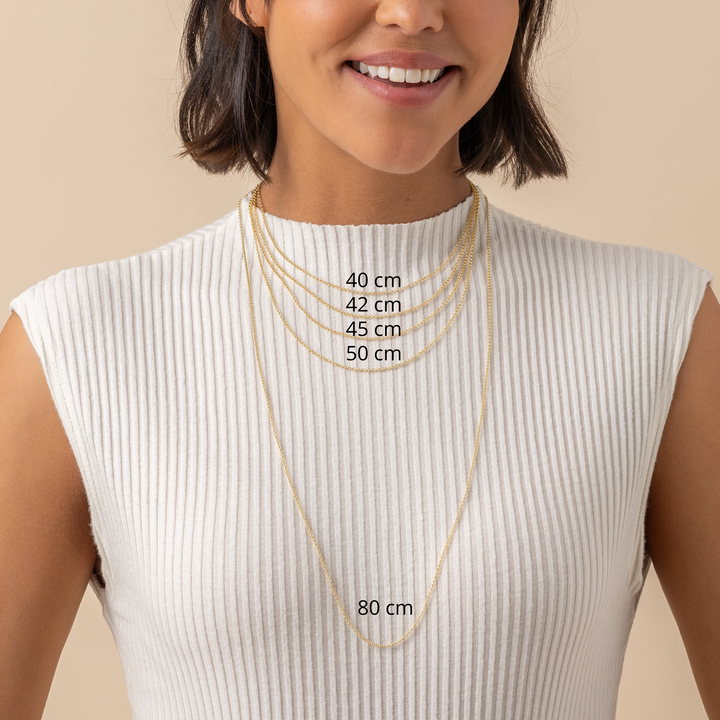
16 mm pendant in 18k gold vermeil (sterling silver core with 2.5 micron gold plating), nickel-free and hypoallergenic. 45 cm gold vermeil chain with 5 cm extender. Ships free worldwide via DHL Express in 1-5 business days, with all import duties prepaid. Comes in a ready-to-gift jewelry box with the 30-day “Love It or Return It” policy.
Is there a silver version?
Yes. Tooth is available in sterling silver at the same 16 mm size. Material is the only difference. Many customers pair the silver and gold versions as a layering option or gift to colleagues.
Human Anatomy
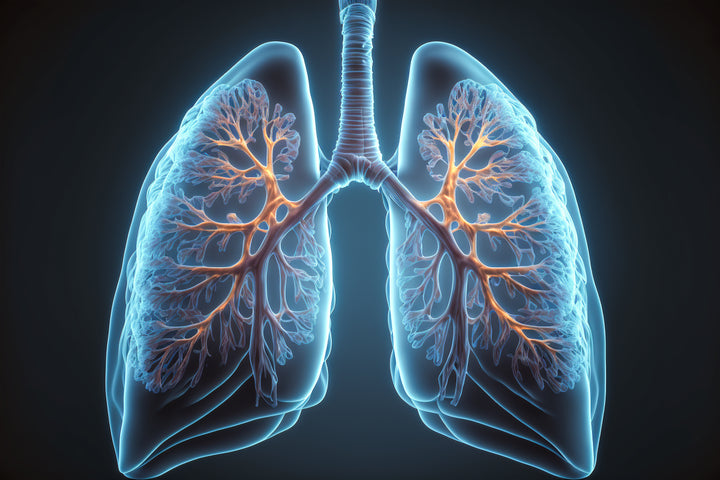
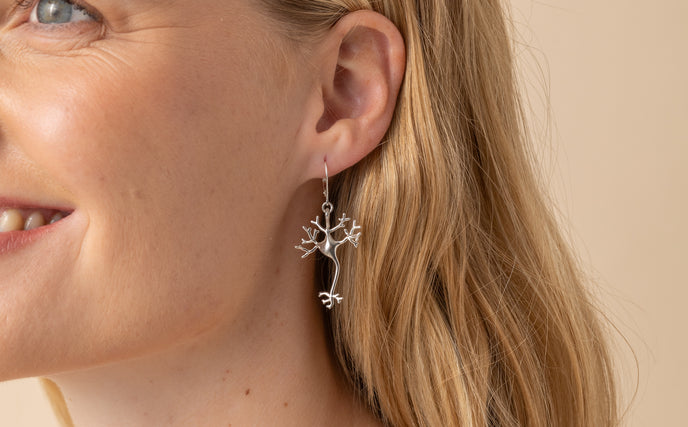
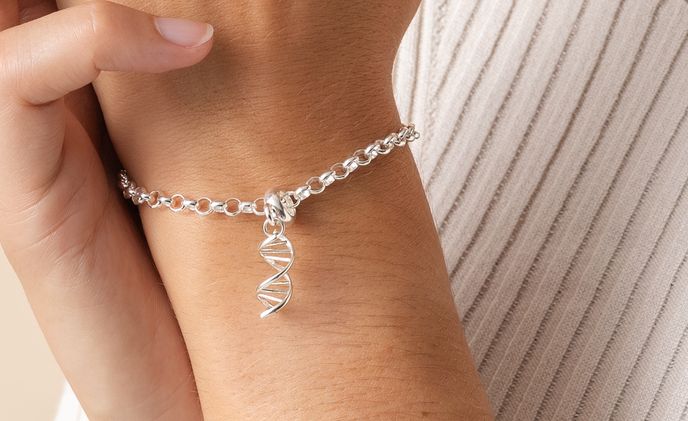
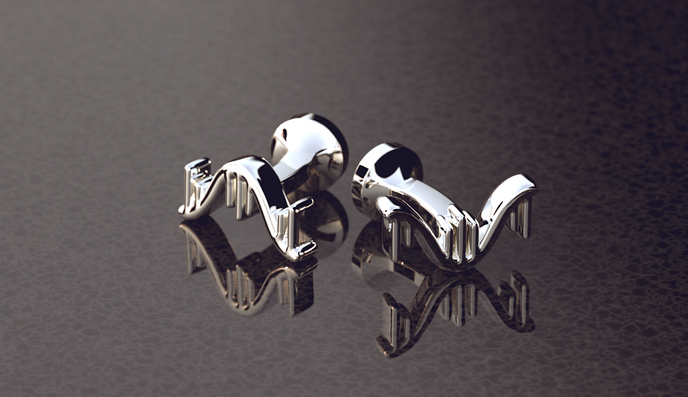
Anatomical wonders have never been so elegantly articulated. Our anatomical collection embodies the intricate and awe-inspiring structures that make us who we are. From DNA double helices to neuronal networks, our pieces don't merely imitate—they interpret. The collection serves as a tangible tribute to the hidden beauty within us all, elevating the realms of biology and medicine into wearable art. With exquisite attention to detail, each piece is a dialogue between form and function, revealing the enigmatic eloquence of the human body.
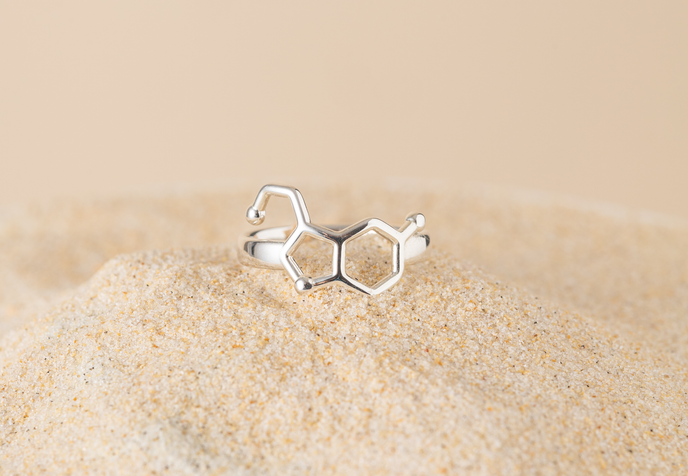
Find your perfect fit: measure an Existing Ring
Finding out your ring size at home is a simple process and can help you shop for jewelry online with confidence.
Necklace length guide