€ 155


Still questions? Contact us
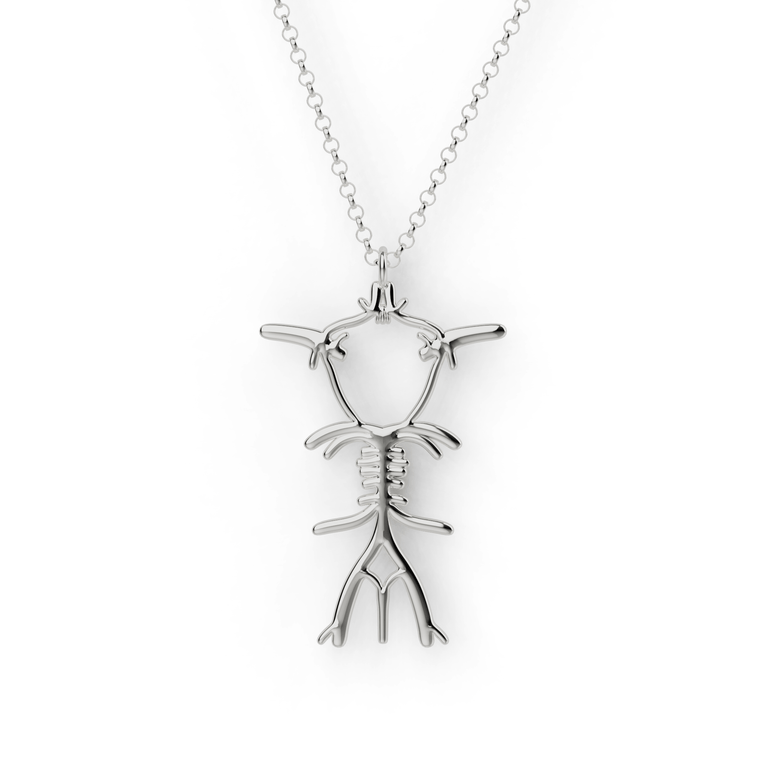
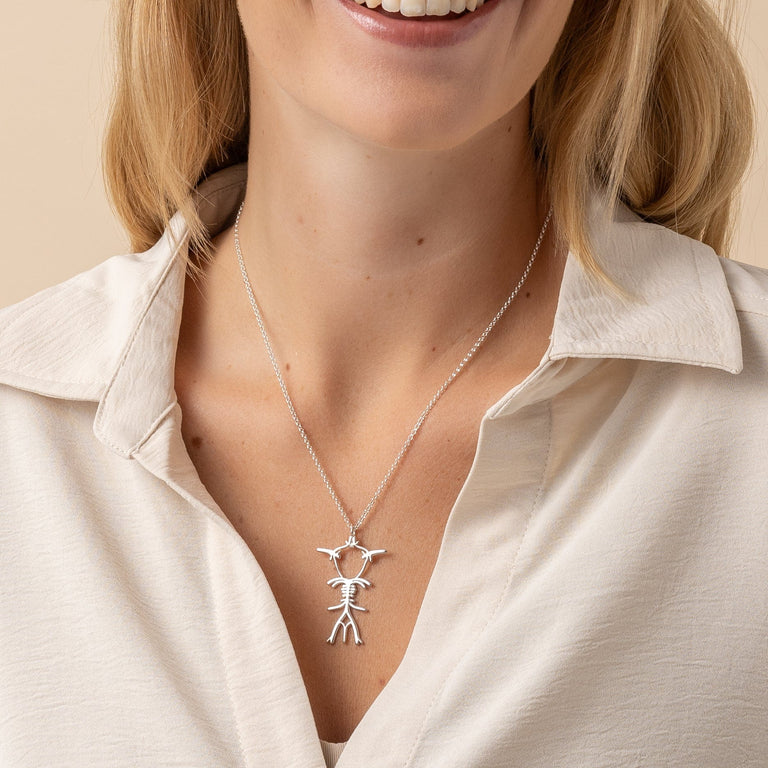
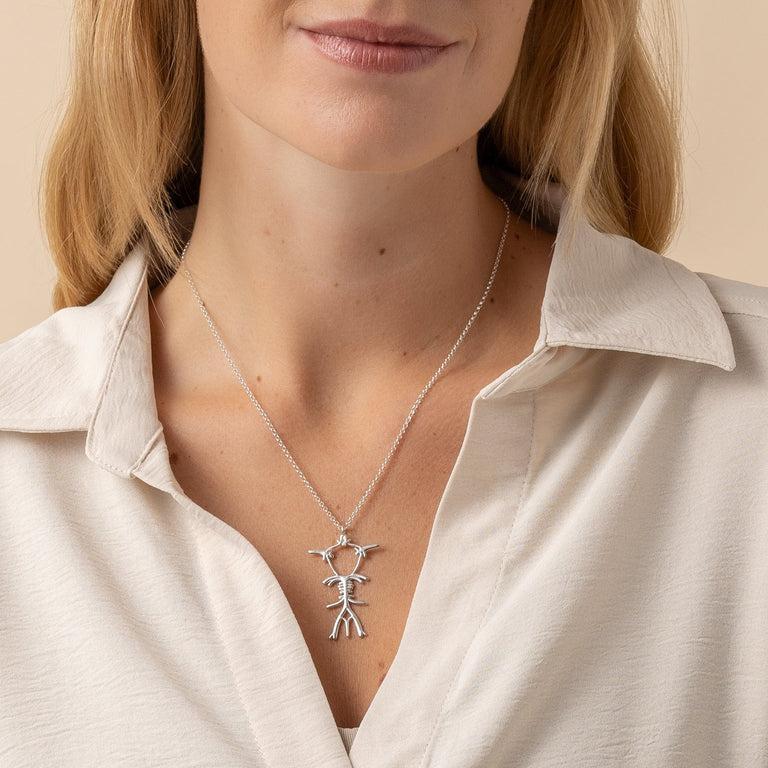
Circle of Willis necklace | sterling silver
If you have trained on stroke protocols, you know the circle of Willis before you know most other brain anatomy. The arterial ring at the base of the brain that provides collateral perfusion when one vessel is blocked. Thomas Willis described it in 1664, and it remains the key to understanding why some strokes are catastrophic and others are survivable.
The Science Behind the Circle of Willis
The circle of Willis is an anastomotic ring at the base of the brain formed by the anterior cerebral arteries, anterior communicating artery, internal carotid arteries, posterior communicating arteries, and posterior cerebral arteries (from the basilar artery). In theory, it provides complete collateral perfusion if one major vessel is occluded. In practice, a complete circle exists in fewer than 50 percent of people. Anatomical variants are common, and the clinical significance of collateral flow depends entirely on which vessels are patent. Intracranial aneurysms occur most frequently at the branching points of the circle, where haemodynamic stress is greatest. The circle of Willis is also a major site of vasospasm after subarachnoid haemorrhage.
Worn By
- neurosurgeons treating intracranial aneurysms and cerebrovascular disease
- interventional neuroradiologists performing angiography and endovascular work
- stroke neurologists and neurointensivists managing acute cerebrovascular events
- medical students navigating neurovasculature for the first time
Explore Related Neuroscience Jewelry
- Circle of Willis necklace | gold vermeil
- Brain necklace | silver
- Spindle neuron necklace | silver
- Neuron necklace | silver
FAQ
Would a neurointerventionalist actually wear this?
Yes. The circle of Willis is their working anatomy. Every angiogram traces this ring. Every intracranial intervention hinges on understanding its variants and collateral potential. A pendant that carries this structure is meaningful to anyone who navigates cerebrovascular space daily.
Why is the circle of Willis not the same in everyone?
Because variants are developmentally common. A hypoplastic posterior communicating artery, an absent anterior communicating vessel, or other anatomical differences alter the ring's completeness. This variability determines whether collateral flow can occur when a major vessel is blocked. It's why understanding individual anatomy via imaging is critical in stroke prevention and treatment planning.
What size, material, and chain?
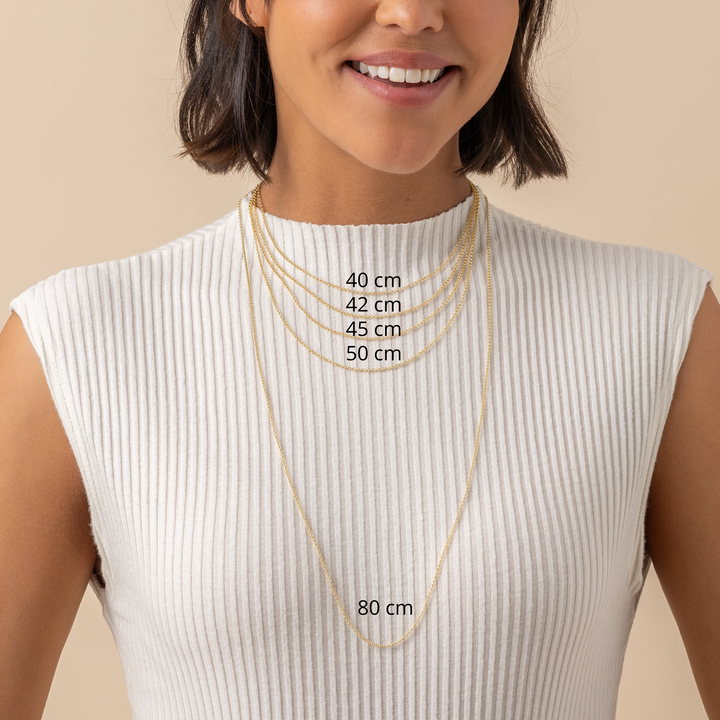
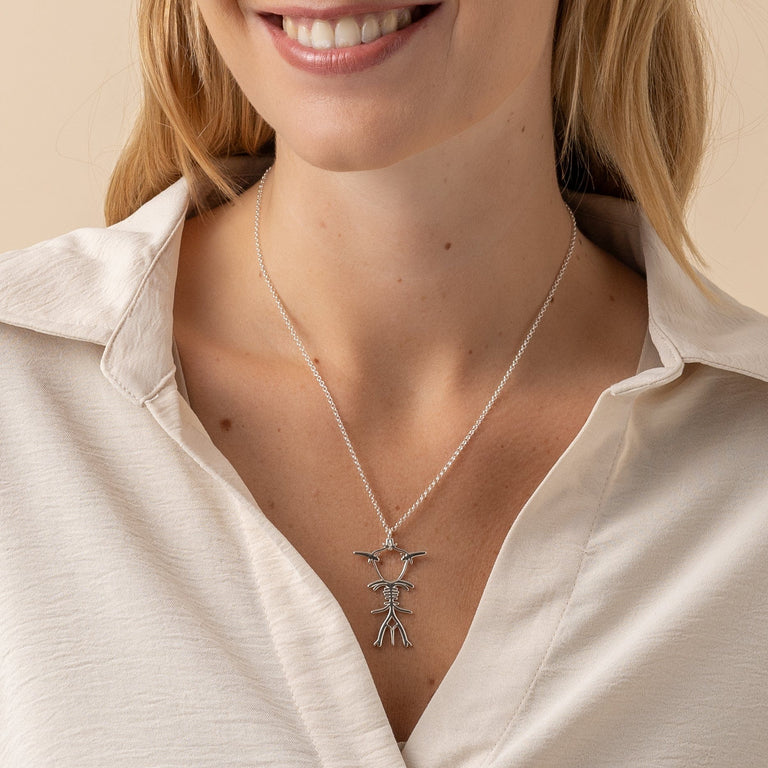
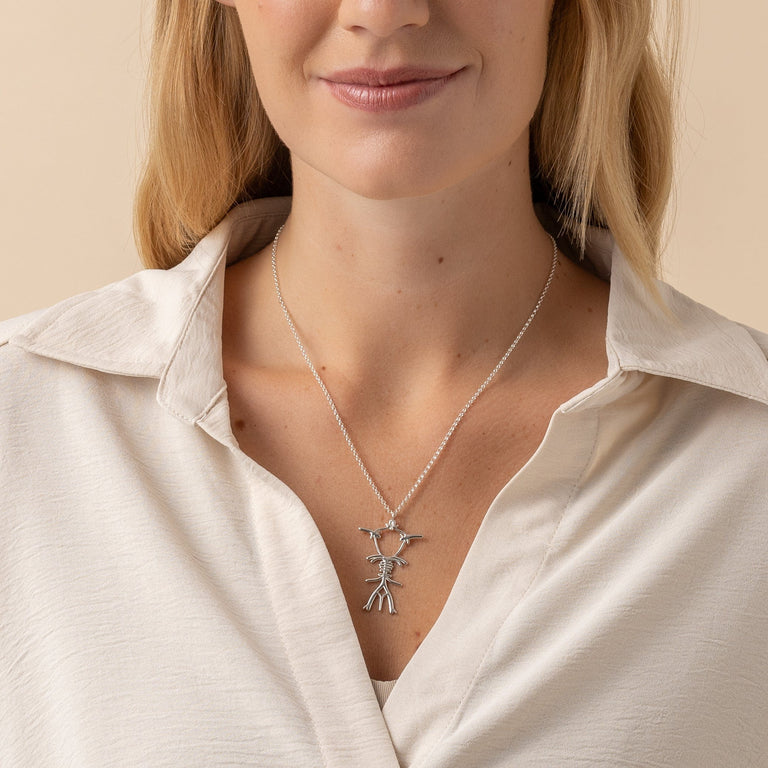
43 mm pendant in 925 polished sterling silver, nickel-free and hypoallergenic. 45 cm sterling silver chain with 5 cm extender. Ships free worldwide via DHL Express in 1-5 business days. Comes ready-to-gift with the 30-day “Love It or Return It” policy.
Is the gold version available at the same size?
Yes. The circle of Willis is available in 18k gold vermeil at 43 mm. Same anatomical ring, same collateral story, same clinical meaning. Material is the only difference. Choose the finish the recipient already wears. Both versions carry the same design and the same meaning.

Human Anatomy
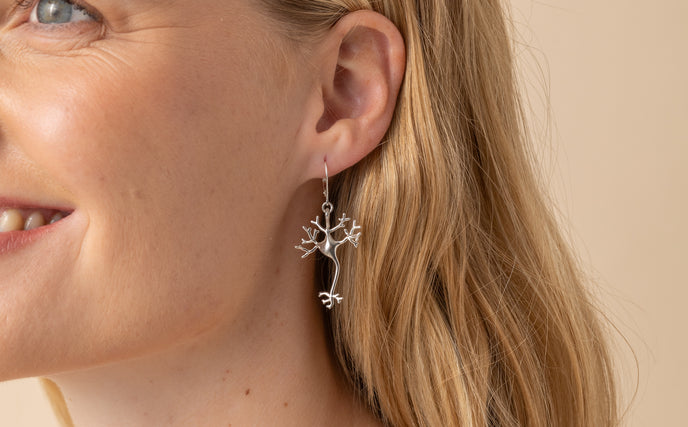
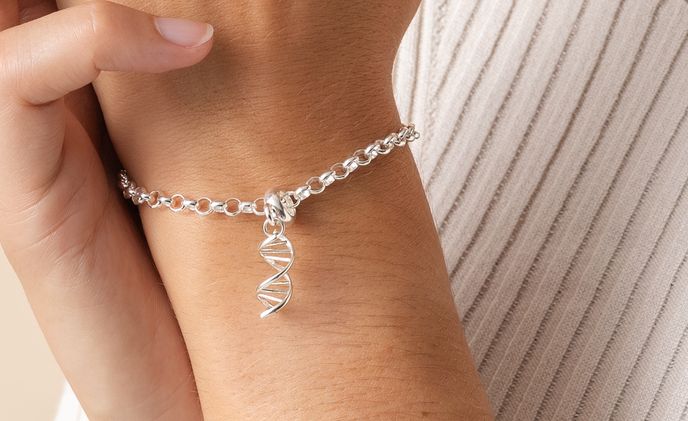
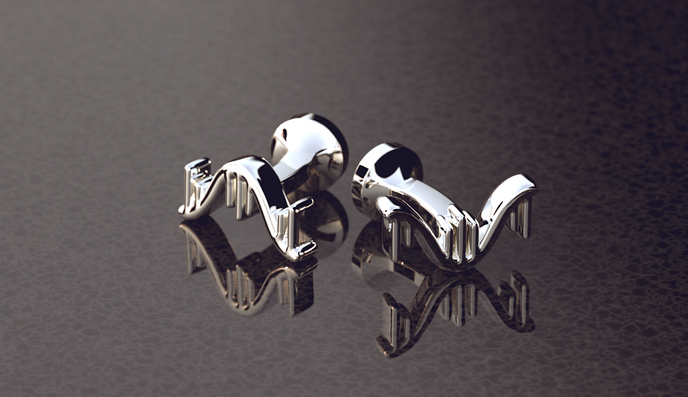
Anatomical wonders have never been so elegantly articulated. Our anatomical collection embodies the intricate and awe-inspiring structures that make us who we are. From DNA double helices to neuronal networks, our pieces don't merely imitate—they interpret. The collection serves as a tangible tribute to the hidden beauty within us all, elevating the realms of biology and medicine into wearable art. With exquisite attention to detail, each piece is a dialogue between form and function, revealing the enigmatic eloquence of the human body.
Find your perfect fit: measure an Existing Ring
Finding out your ring size at home is a simple process and can help you shop for jewelry online with confidence.
Necklace length guide