$362


Still questions? Contact us
Cervical vertebra necklace | gold vermeil
An anatomy lecturer fastens her gold vermeil cervical vertebra necklace before a first-year class on the neck, where two counts do not match. The neck has seven vertebrae but eight pairs of spinal nerves: the first pair leaves between the skull and the top vertebra, and the eighth leaves below the seventh.
Who It's For
- a physiotherapist who treats necks and shoulders
- an osteopath or a chiropractor
- a spine surgeon or a neurosurgeon
- a radiographer or a radiologist
- yourself, if the neck is your speciality
How the Neck Grows Joints of Its Own
The neck has joints found nowhere else in the spine. From the third vertebra down to the seventh, two small lips rise from the upper surface of each vertebral body, one at either side. These uncinate processes meet the vertebra above in the uncovertebral joints, also called the joints of Luschka, after the German anatomist Hubert von Luschka. They are barely formed at birth and develop with age. A 2014 review of the research credits the uncinate processes with steadying the neck and guiding its movement.
Explore Related Anatomy Jewelry
- cervical vertebra necklace | silver
- atlas necklace | gold vermeil
- thoracic vertebra necklace | gold vermeil
- spine necklace | gold vermeil
FAQ
How big is the pendant, and how does it sit?
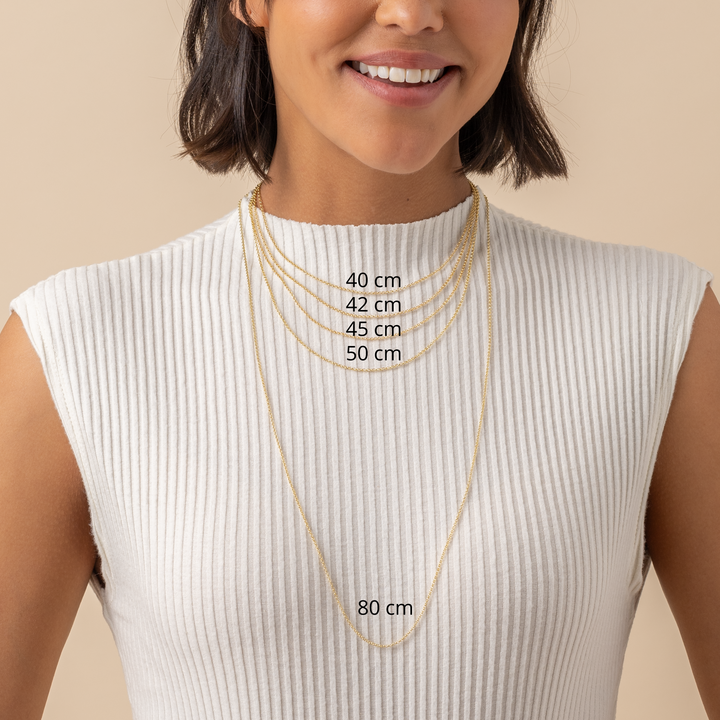
The pendant measures 24 mm (just under 1 inch), 0.26 mm under the diameter of a US quarter (24.26 mm). The chain is attached at each side of it, and it sits below the collarbone on a 45 cm (17.7 inch) gold vermeil chain with a 5 cm (2 inch) extender. Our vermeil is 2.5 microns of 18K gold over solid sterling silver, nickel-free and hypoallergenic.
Which version should I choose?
Choose the finish the recipient already wears. The design is the same in sterling silver, where the 24 mm pendant comes with a 45 cm silver chain and a 5 cm extender. Other vertebrae come as necklaces too: the atlas (26 mm), a thoracic vertebra (24 mm) and a lumbar vertebra (27 mm), plus the full spine (60 mm), each in gold vermeil and in silver.
Will it arrive in time, and what if it isn't right?
DHL Express delivers it free worldwide in 1-5 business days, and we pay the import duties and taxes, so nothing is due at the door. It arrives in a ready-to-gift jewelry box and festive envelope. If it isn't right, our 30-day “Love It or Return It” policy applies.
Who first described the halo brace for the neck?
Jacquelin Perry and Vernon Nickel, orthopaedic surgeons at Rancho Los Amigos Hospital in California, in a 1959 paper. They were fusing the neck vertebrae of patients whose neck muscles polio had paralysed, and the halo held the neck still while the fusion healed: a metal ring fixed to the skull and joined to a body cast. Perry had trained as a physical therapist in the Army before she studied medicine. The halo, later fitted to a vest, is still used to keep an injured neck from moving.

Human Anatomy
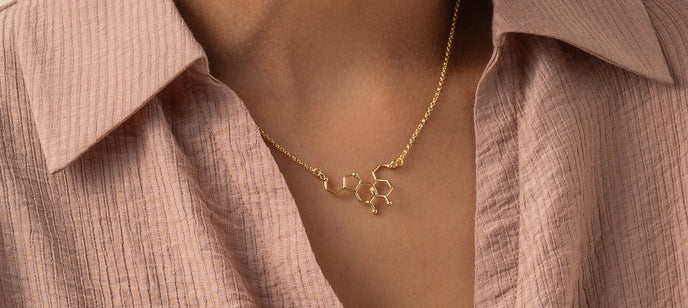
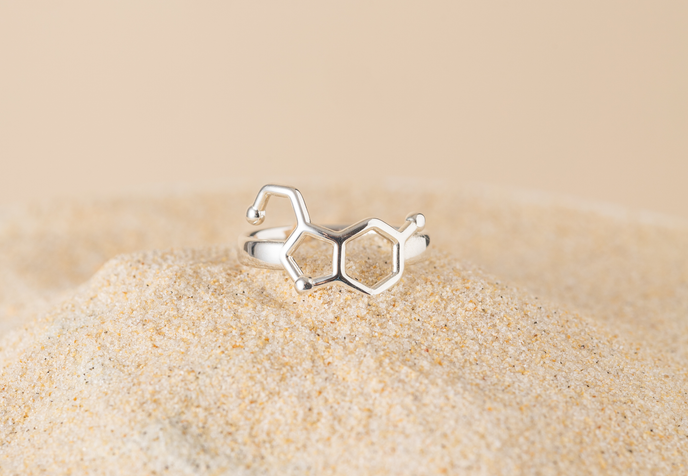
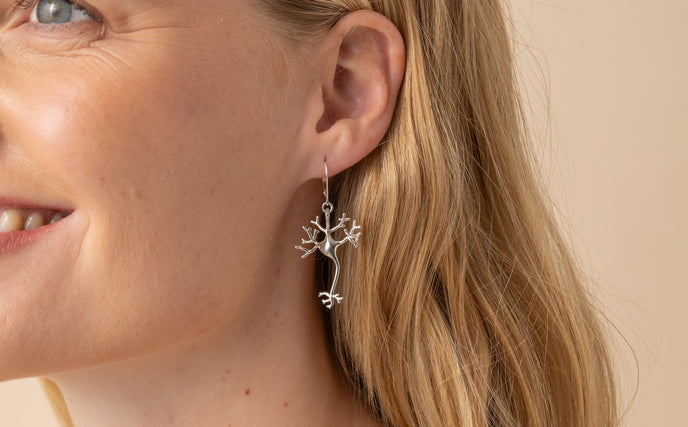
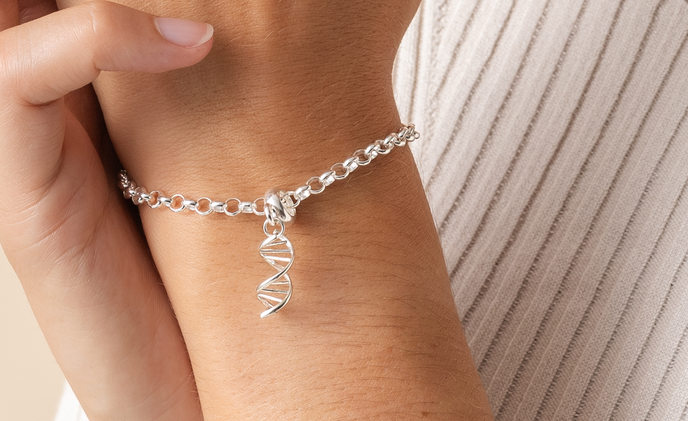
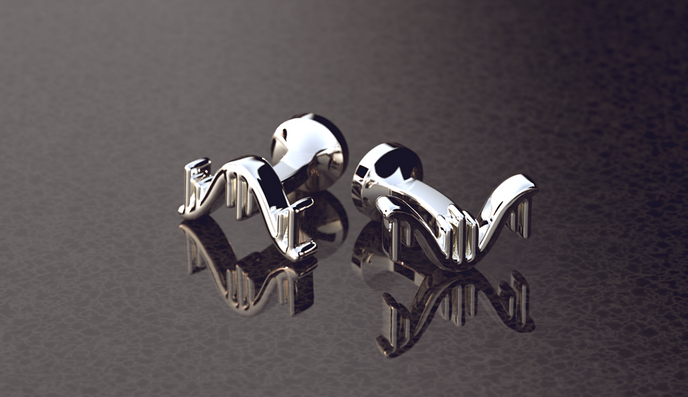
Anatomical wonders have never been so elegantly articulated. Our anatomical collection embodies the intricate and awe-inspiring structures that make us who we are. From DNA double helices to neuronal networks, our pieces don't merely imitate—they interpret. The collection serves as a tangible tribute to the hidden beauty within us all, elevating the realms of biology and medicine into wearable art. With exquisite attention to detail, each piece is a dialogue between form and function, revealing the enigmatic eloquence of the human body.
Find your perfect fit: measure an Existing Ring
Finding out your ring size at home is a simple process and can help you shop for jewelry online with confidence.
Necklace length guide