€ 145


Still questions? Contact us
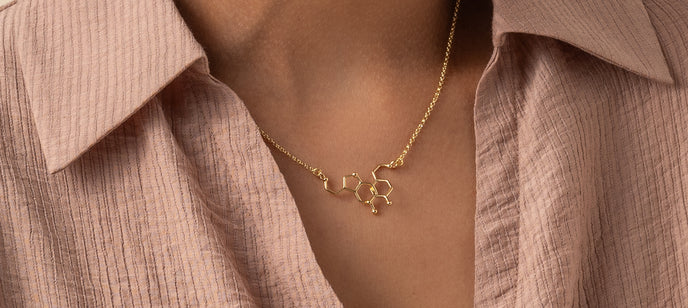
Caffeine necklace | sterling silver
Caffeine evolved separately in coffee, tea, cacao, guarana, and yerba mate on different continents, with no shared ancestor producing it. The same alkaloid structure arrived independently in at least three plant lineages. This is one of the clearest examples of convergent molecular evolution in nature.
The Science Behind Caffeine
Caffeine (1,3,7-trimethylxanthine) acts as a natural pesticide: it inhibits germination of competing seeds and deters herbivores through the same adenosine receptor antagonism that makes it useful to humans. The convergent evolution across separate lineages (Coffea arabica, Camellia sinensis, Theobroma cacao, Paullinia cupana, Ilex paraguariensis) suggests strong positive selection. Each plant found its way to the same molecular defense independently. The biosynthetic pathways and precursor chemistry differ between species, but the end product is identical. This is unusual: most convergent evolution produces similar function through structurally different molecules. Caffeine is structurally identical across every plant that produces it.
A Meaningful Gift for Science Lovers
- anyone who runs on coffee, tea, or both
- biochemists interested in secondary metabolites
- natural product chemists and pharmacologists
- plant and evolutionary biologists who know the convergence story
Explore Related Molecules Jewelry
- Caffeine necklace | gold vermeil
- Caffeine studs | silver
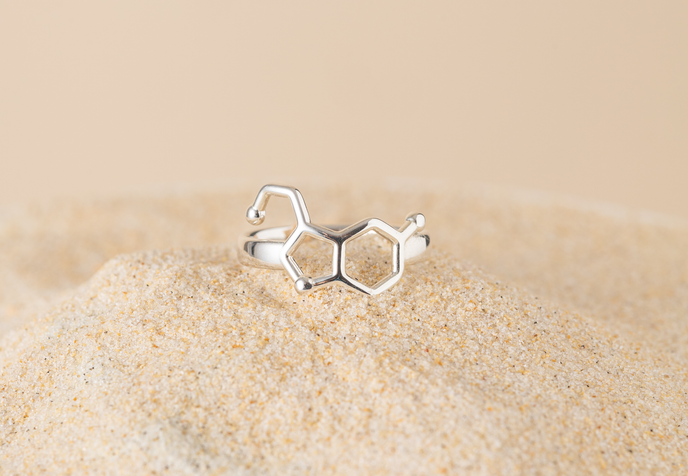
- Caffeine ring | silver
- Glucose necklace | silver
FAQ
Why is the evolutionary story of caffeine so interesting?
Because it is one of the cleanest examples of convergent evolution, where the same exact structure arrived independently in multiple plant lineages across different continents. This strongly suggests that caffeine provides a real fitness advantage and that the molecular solution was so efficient that evolution arrived at it multiple times.
How does caffeine actually work in the human body?
Caffeine blocks adenosine receptors (primarily A1 and A2A) in the brain, preventing the sleep signal from reaching consciousness. Regular use causes upregulation of adenosine receptors, which is why tolerance develops and why caffeine withdrawal produces real headaches. It is one of the most-consumed psychoactive substances on Earth, entirely legal and socially normalised.
What is the size, material, and chain?
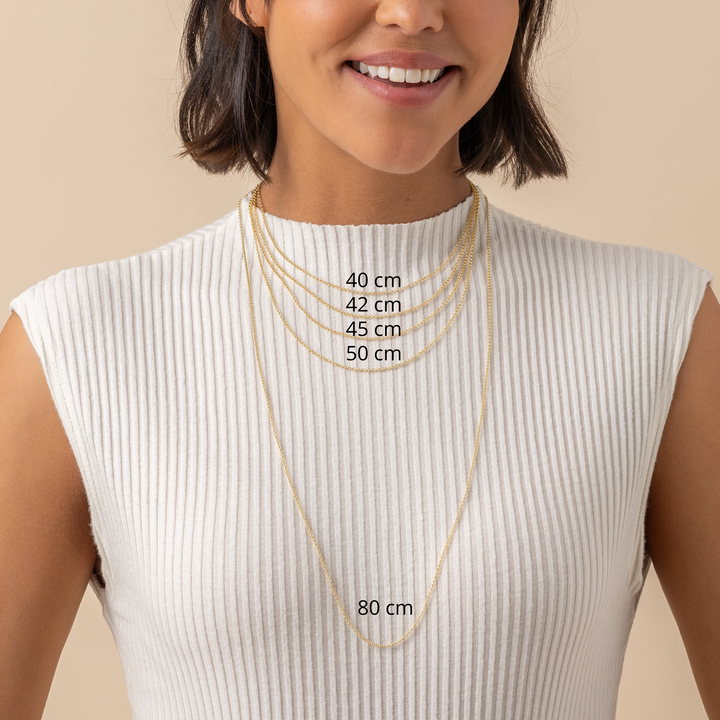
25 mm pendant in 925 sterling silver, nickel-free and hypoallergenic. 45 cm sterling silver chain with 5 cm extender. Ships free worldwide via DHL Express in 1-5 business days, with all import duties prepaid. Comes in a ready-to-gift jewelry box with the 30-day “Love It or Return It” policy.
Is there a gold version?
Yes. Caffeine is available in 18k gold vermeil at the same 25 mm size. Both versions appeal to researchers studying plant defence, evolution, or pharmacology.
Molecules
Delve into the hidden elegance of science with our meticulously crafted jewelry, inspired by the intricate structures of chemical molecules. Each piece serves as a tactile tribute to the building blocks of life and matter, capturing the allure of atoms and bonds in precious metals. A harmonious fusion of art and science, these creations are more than mere accessories; they're a celebration of the enigmatic beauty that underpins our universe.
Find your perfect fit: measure an Existing Ring
Finding out your ring size at home is a simple process and can help you shop for jewelry online with confidence.
Necklace length guide