€ 175


Still questions? Contact us
collagen necklace | 18k gold vermeil
The protein that holds your body together. 30 percent of your body mass is collagen. Without it, you have no shape. Without vitamin C, your body cannot cross-link collagen, and you get scurvy. A molecule that moves quietly through everything that makes you you, in gold.
The Science of Collagen
Collagen's triple helix is one of the most elegant structures in protein chemistry. Three alpha chains, each with a repeating Gly-X-Y sequence, wind around each other into a right-handed superhelix stabilized by interchain hydrogen bonds. The result is a molecule with exceptional tensile strength, capable of withstanding the mechanical loads placed on tendons, bones, ligaments, and skin. With 28 types identified, collagen is not a single protein but a family adapted to different mechanical and biological contexts. Type I is most abundant (skin, bone, tendon). Type II cushions joints. Type IV forms basement membranes underlying tissue.
A Meaningful Gift for Science Lovers
- structural biologists and biochemists
- dermatologists, orthopedic surgeons, and tissue engineers
- medical or graduate students in biochemistry
- as a self-purchase in gold for everyday wear
Explore Related Biology Jewelry
- Collagen necklace | silver
- Laminin necklace | silver
- Beta sheet necklace | gold vermeil
- Hemoglobin necklace | silver
FAQ
Who chooses collagen in gold vermeil?
Someone interested in the science of structure and skin, who prefers warm tones. It pairs well with other gold pieces or stands alone as a quiet statement about what holds you together.
Why does vitamin C deficiency cause scurvy?
Collagen synthesis requires vitamin C (ascorbic acid) as a cofactor for the enzyme prolyl hydroxylase, which hydroxylates proline residues to hydroxyproline. Without this hydroxylation, collagen cannot form its cross-links or triple helix properly. Sailors without fresh fruit developed defective collagen and their old wounds reopened. The connection between vitamin and collagen structure is why scurvy was the first disease cured by targeting a specific nutritional molecule.
What size and material? How does it compare to silver?
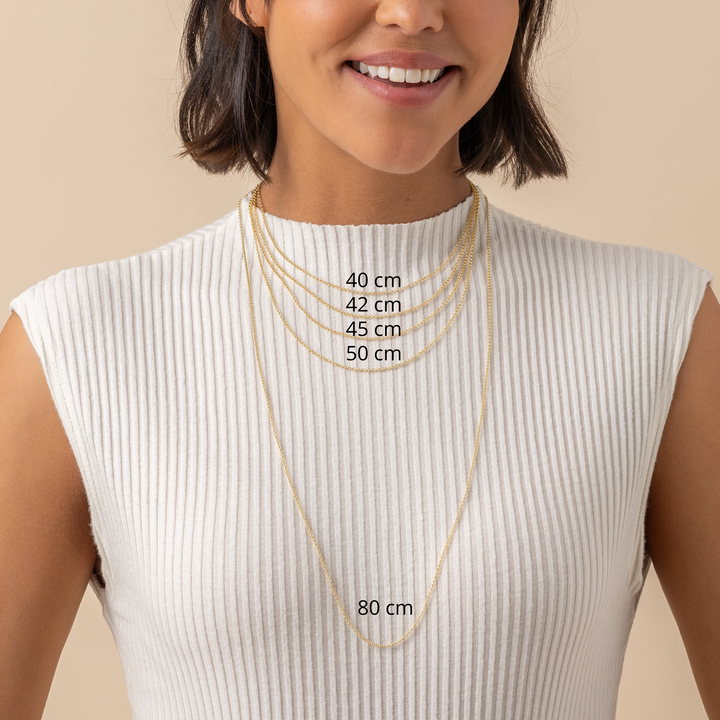
35 mm 18k gold vermeil pendant on a 45 cm gold vermeil chain with 5 cm extender. The same design in sterling silver is available. Material is the only difference. Gold vermeil (sterling silver core with 2.5 micron 18k gold plating), nickel-free and hypoallergenic. Ships free worldwide via DHL Express in 1-5 business days. Comes in a ready-to-gift jewelry box with the 30-day “Love It or Return It” policy.
Does gold tarnish like silver?
Gold vermeil resists tarnish better than polished silver because of the gold plating. Both materials are durable for daily wear and develop patina over time. Gold requires less maintenance and keeps its shine longer.
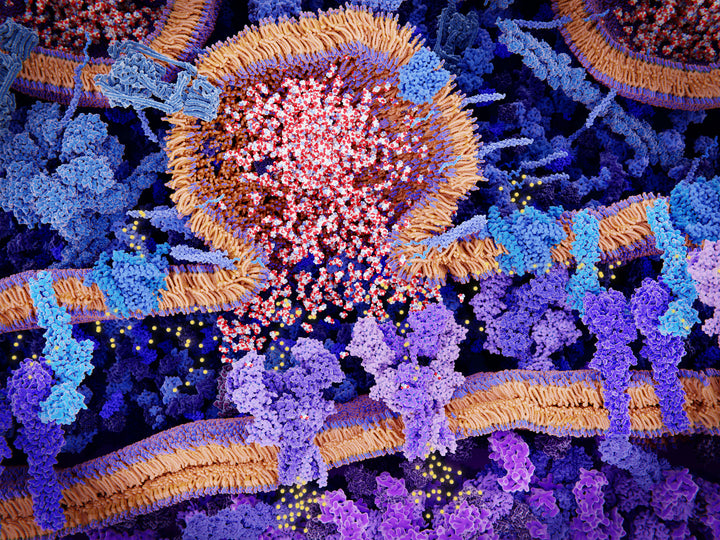
Cellular Biology
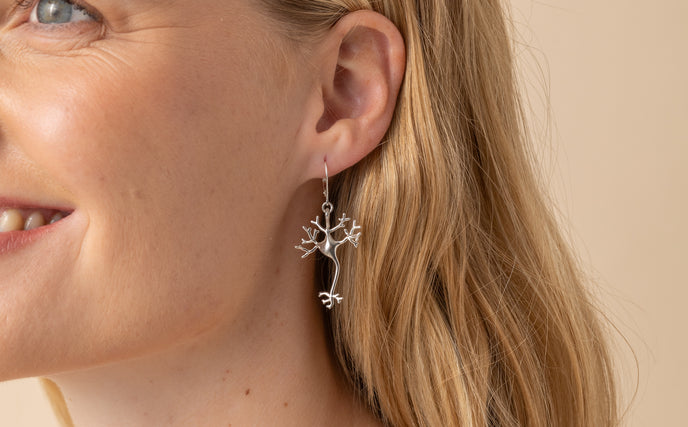
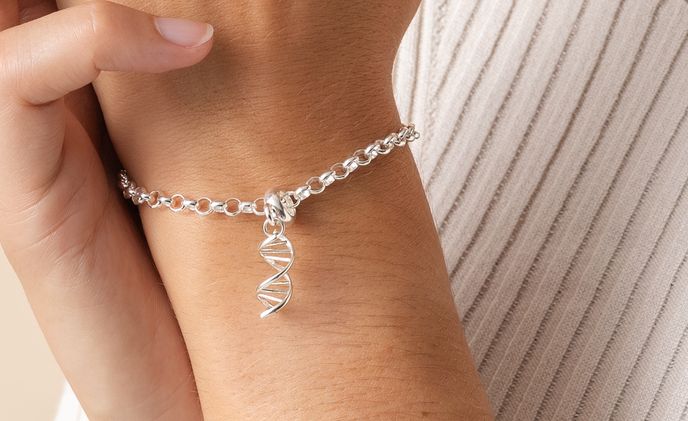
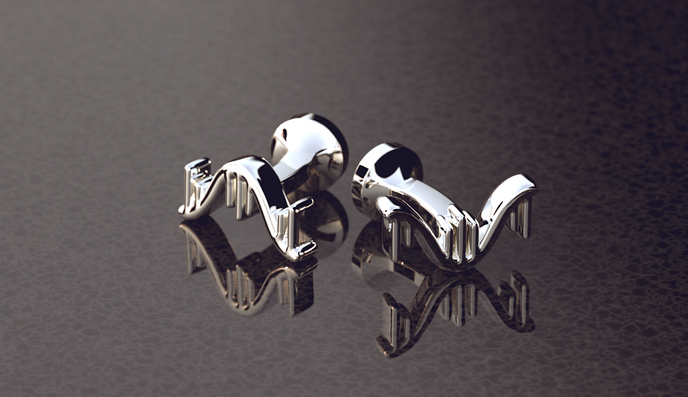
Step into the fascinating world of cellular biology through our unique jewelry designs. These pieces serve as wearable reflections of life's microscopic wonders, capturing the aesthetics of DNA strands, cellular formations, and more. Far from simple adornments, they spark dialogue and honor the captivating complexities found within biological research. Merging scientific accuracy with artistic flair, each creation offers a tactile experience that bridges the gap between scientific inquiry and aesthetic appreciation.
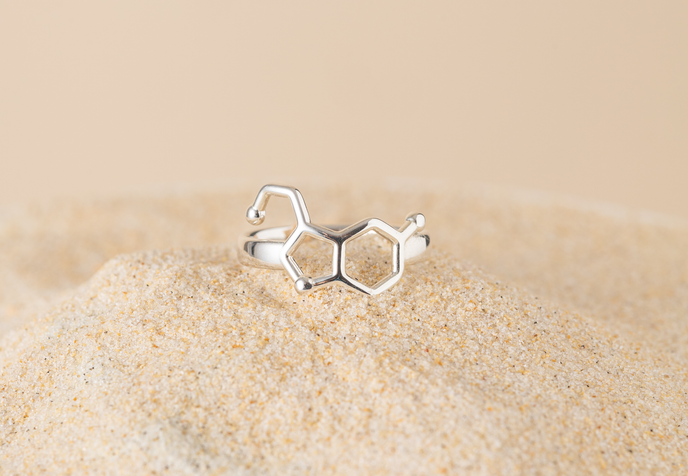
Find your perfect fit: measure an Existing Ring
Finding out your ring size at home is a simple process and can help you shop for jewelry online with confidence.
Necklace length guide