€ 180


Still questions? Contact us
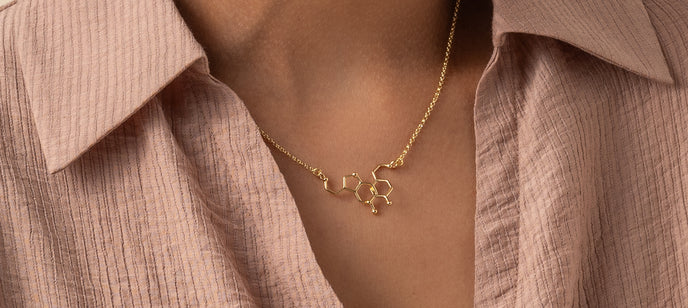
cytosine-guanine necklace | 18k gold vermeil
Of the two DNA base pairs, the cytosine-guanine pair is the stronger one. Three hydrogen bonds instead of two, which makes GC-rich regions thermally more stable and gives them distinct roles in genome architecture. Cytosine is also where DNA methylation lives, the central currency of epigenetic regulation.
The Chemistry of the C-G Base Pair
The cytosine-guanine pair bonds via three hydrogen bridges (adenine-thymine has only two), making it more thermally stable. Cytosine is also the target of DNA methyltransferases at CpG sites, creating 5-methylcytosine, the primary epigenetic mark in mammals. This methylation silences genes without changing the underlying DNA sequence. TET enzymes oxidize 5-methylcytosine to remove the mark, enabling active demethylation. This methylation-demethylation cycle at cytosines within CpG dinucleotides is how cells regulate gene expression across development, disease, and ageing without rewriting the genetic code.
Who Reaches For This
- epigenetics researchers and molecular biologists
- biochemists studying DNA methylation and gene silencing
- cancer biologists and geneticists
- anyone who wants the strongest base pair in gold
Explore Related Molecules Jewelry
- cytosine - guanine earrings | gold vermeil
- Cytosine-guanine necklace | silver
- Cytosine-guanine earrings | silver
- Adenine necklace | silver
FAQ
Why is the cytosine-guanine pair significant in epigenetics?
Cytosine is the only DNA base that can be methylated. When methyltransferases add a methyl group to cytosines in CpG dinucleotides, they silence the genes nearby without altering the DNA sequence. This epigenetic layer is reversible, dynamic, and central to how cells control development, ageing, and disease.
Is this pair stronger than adenine-thymine?
Yes. The cytosine-guanine pair has three hydrogen bonds compared to adenine-thymine's two. This makes C-G richer regions thermally more stable. It is also why CpG islands (GC-rich regions) behave differently from surrounding DNA and why methylation at these sites has such potent regulatory effects.
What's the material, size, and chain?
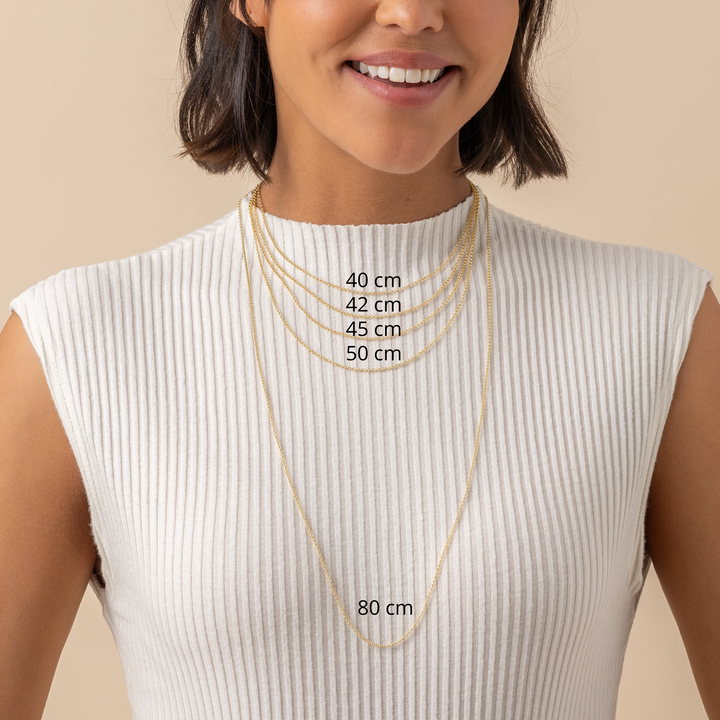
33 mm pendant in 18k gold vermeil (sterling silver core with 2.5 micron gold plating), nickel-free and hypoallergenic. 45 cm gold vermeil chain with lobster clasp and 5 cm extender. High-polish finish. Comes in a ready-to-gift, eco-friendly jewelry box with the 30-day “Love It or Return It” policy. Free worldwide DHL Express shipping (1-5 business days).
Molecules
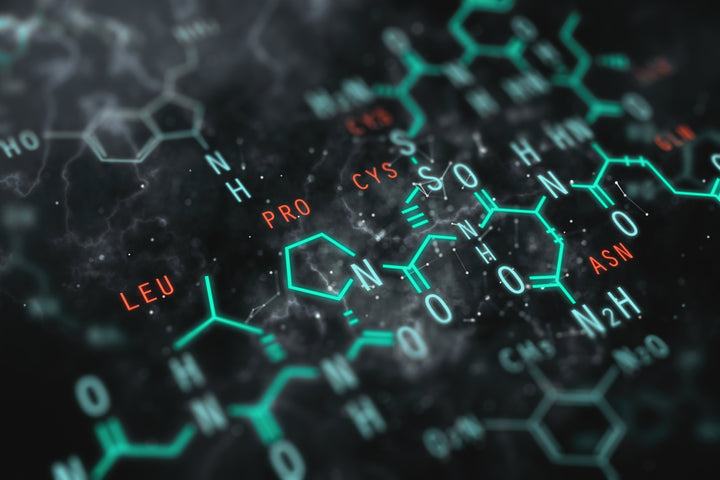
Delve into the hidden elegance of science with our meticulously crafted jewelry, inspired by the intricate structures of chemical molecules. Each piece serves as a tactile tribute to the building blocks of life and matter, capturing the allure of atoms and bonds in precious metals. A harmonious fusion of art and science, these creations are more than mere accessories; they're a celebration of the enigmatic beauty that underpins our universe.
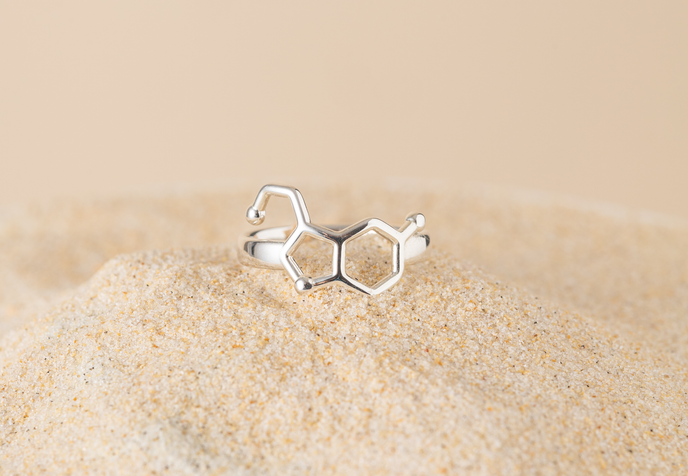
Find your perfect fit: measure an Existing Ring
Finding out your ring size at home is a simple process and can help you shop for jewelry online with confidence.
Necklace length guide