€ 160


Still questions? Contact us
Cytosine-guanine necklace | silver
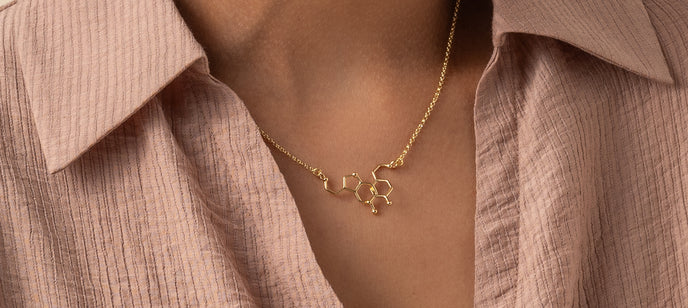
The C-G base pair, in 925 sterling silver at 33 mm. Three hydrogen bonds rather than the two of A-T, which is why GC-rich regions of DNA require more energy to melt and why bacterial genomes vary in GC content as a signature of their evolutionary history. The pendant carries that asymmetry.
The Science Behind C-G Base Pairing
Cytosine pairs with guanine through three hydrogen bonds, while adenine pairs with thymine through two. The third bond gives C-G base pairs additional thermal stability, and DNA regions with high GC content are correspondingly harder to denature. CpG islands, where C-G dinucleotides cluster near gene promoters, play a central role in epigenetic regulation: methylation of cytosine in these regions usually silences the associated gene, and aberrant methylation patterns are common in cancer. The GC content of bacterial genomes varies from about 17 percent to 75 percent and reflects both mutational bias and selection pressures, which is why GC content is a routine taxonomic and phylogenetic marker.
A Quiet Symbol For
Molecular biologists, biochemists, and anyone whose work centres on DNA structure and function.
- molecular biologists and biochemists
- structural biologists studying nucleic acid geometry
- epigenetics researchers working on CpG methylation
- genetics graduate students past their first year of crystallography
Most often given as a milestone gift after a defended PhD on DNA structure or to a researcher whose career has touched the C-G pair specifically.
Explore Related Molecules Jewelry
- DNA necklace V | silver
- DNA necklace V | gold vermeil
- Circular DNA necklace | silver
- Interlocked DNA necklace | silver
- RNA necklace | silver
Frequently Asked Questions
Why C-G specifically rather than A-T?
Because C-G is the stronger pair. Three hydrogen bonds versus two. Regions of DNA rich in C-G are harder to melt, which matters for replication, transcription, and PCR primer design. People who work with DNA structure tend to find the C-G pair the more interesting one.
What does the pendant show?
The cytosine and guanine bases as they appear in a Watson-Crick base pair: three hydrogen bonds bridging the two ring systems. The geometry is the same one drawn in every biochemistry textbook.
What are the specs and what is the return policy?
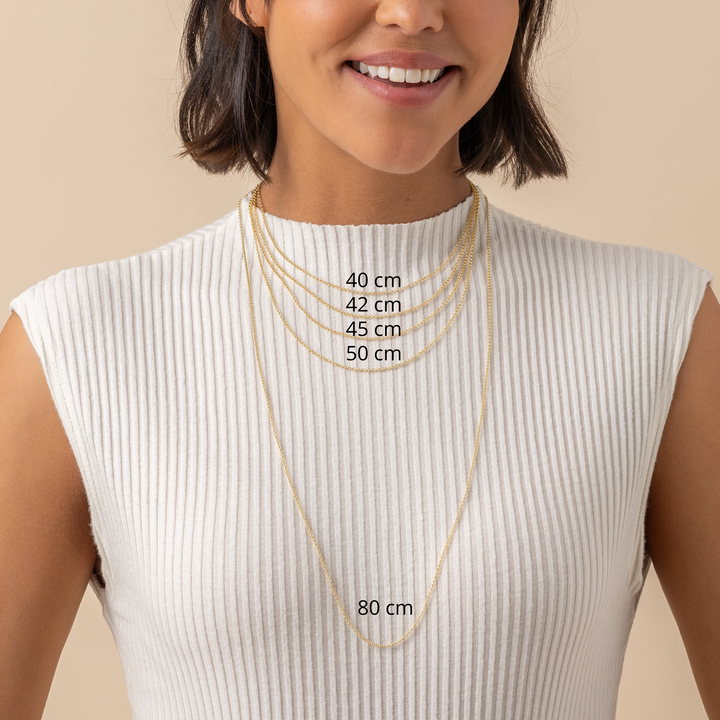
925 sterling silver, 33 mm pendant, 45 cm chain with a 5 cm extender. Nickel-free and hypoallergenic. Ships free worldwide via DHL Express in 1-5 business days, with all import duties and taxes covered. 30-day “Love It or Return It” returns.
Are there other DNA base pieces in the catalog?
The catalog includes a range of DNA pieces (necklace V, ring, earrings, bracelet, circular DNA, interlocked DNA) but cytosine-guanine is the only base-pair-specific pendant. For an A-T or single-base piece, the broader DNA range is the closest match.
Molecules
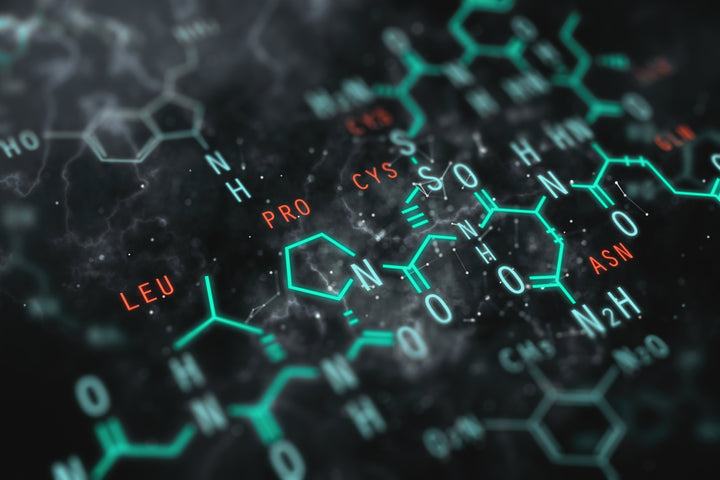
Delve into the hidden elegance of science with our meticulously crafted jewelry, inspired by the intricate structures of chemical molecules. Each piece serves as a tactile tribute to the building blocks of life and matter, capturing the allure of atoms and bonds in precious metals. A harmonious fusion of art and science, these creations are more than mere accessories; they're a celebration of the enigmatic beauty that underpins our universe.
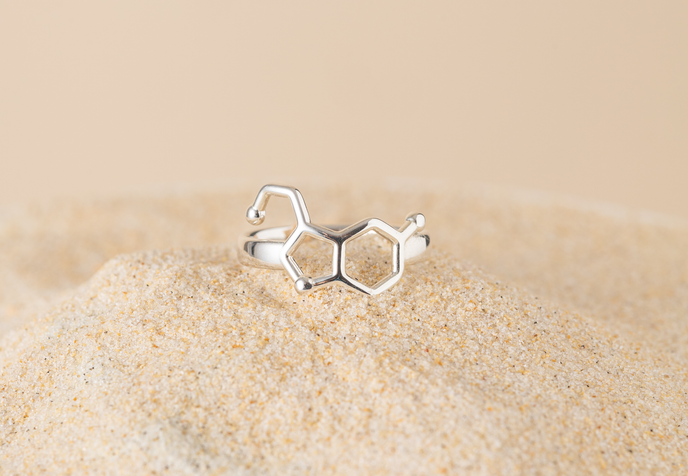
Find your perfect fit: measure an Existing Ring
Finding out your ring size at home is a simple process and can help you shop for jewelry online with confidence.
Necklace length guide