€ 200


Still questions? Contact us
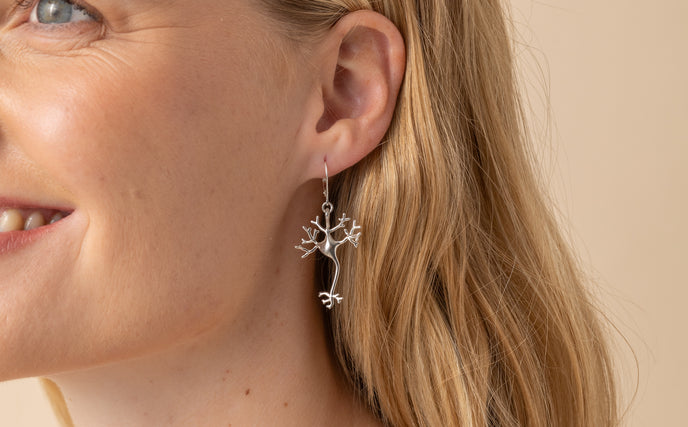
eppendorf earrings | sterling silver
Six hours a day in the non-dominant hand. PhDs are partly measured in tubes handled (pipetted into, vortexed, centrifuged, frozen, thawed). This particular tube has been every molecular biologist's bench partner since the 1970s, doing the same job whether the experiment is a Western blot, a CRISPR screen, or a sample heading into mass spectrometry.
The Science Behind the Eppendorf Tube
The standard 1.5 mL polypropylene microcentrifuge tube became universal in molecular biology for three reasons. First, polypropylene is chemically inert across the pH and solvent range of most biology assays. Second, the conical base concentrates pelleted material at a single point under centrifugation, which makes DNA precipitation, protein concentration, and cell pelleting reproducible. Third, the snap-cap with a friction-fit hinge withstands repeated freeze-thaw cycles without leaking. By the time PCR and DNA sequencing went mainstream in the late 1980s, the format was already standard. Today, several billion tubes are manufactured each year, in a dozen sizes, with the 1.5 mL version still the workhorse.
Worn By
Bench science has its own uniform, and it now stretches to a tiny pair of tubes on each ear.
- molecular biologists and biochemists
- PhD students at any career stage
- lab technicians and senior bench scientists
- science communicators and lab life photographers
- biotech and pharmaceutical R&D scientists
The most-asked question about these earrings is below.
Explore Related Lab Jewelry
- eppendorf necklace | silver
- eppendorf necklace | gold vermeil
- petri dish necklace | silver
- pipette necklace | silver
FAQ
Are these too niche to wear outside the lab?
For most settings, no. At distance the tubes read as small geometric earrings. The reference lands close up, which works in academic and biotech-adjacent environments without standing out as costume. People outside molecular biology rarely identify what they are without prompting. People inside it usually get there in under three seconds.
Why exactly 1.5 mL?
It became the default by convention rather than by design. Eppendorf AG manufactured tubes in several sizes in the 1960s and 1970s, but the 1.5 mL size proved the most useful for nucleic acid and protein work, where typical reaction volumes sit between 10 µL and 1 mL. Centrifuge rotors got built around it. The size locked in once the rotor designs locked in.
Size, material, type?
24 mm in 925 polished sterling silver, nickel-free and hypoallergenic, with sterling silver leverback hooks. High-polish finish. Free DHL Express shipping worldwide in 1-5 business days, all duties and taxes covered, 30-day “Love It or Return It” policy.
Is there a necklace or gold version?
The eppendorf necklace exists in both sterling silver (31 mm) and 18k gold vermeil (31 mm). The earrings format is currently silver only. A gold vermeil version of the earrings can be made on request through our custom design service (around 4-6 weeks total).

Medical & Lab tools
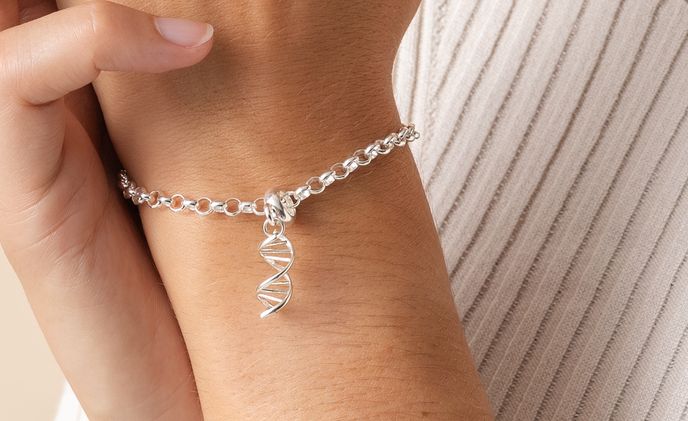
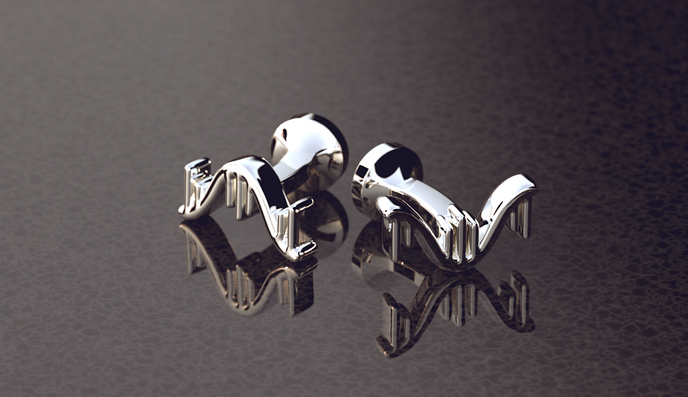
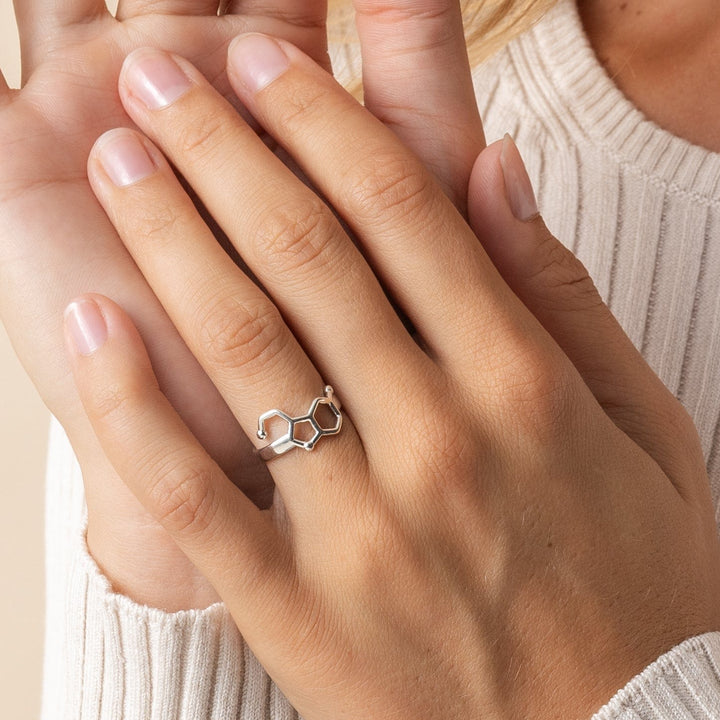
Dive into the captivating world of science-inspired jewelry, where intricate designs meet the essence of medical and laboratory tools. These masterfully crafted pieces act as subtle yet striking tributes to the instruments that have paved the way for scientific discovery. From DNA helices to microscope charms, each piece serves as a conversation starter, a talisman, and a small monument to human ingenuity. They're not just accessories; they're wearable artifacts that tell a story of scientific exploration and advancement.
Find your perfect fit
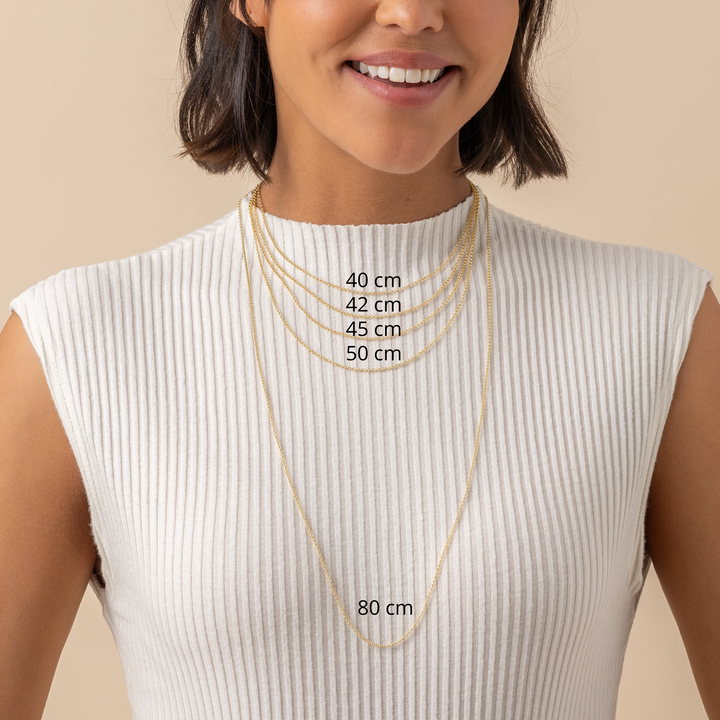
Necklace length guide