

€ 190


Still questions? Contact us
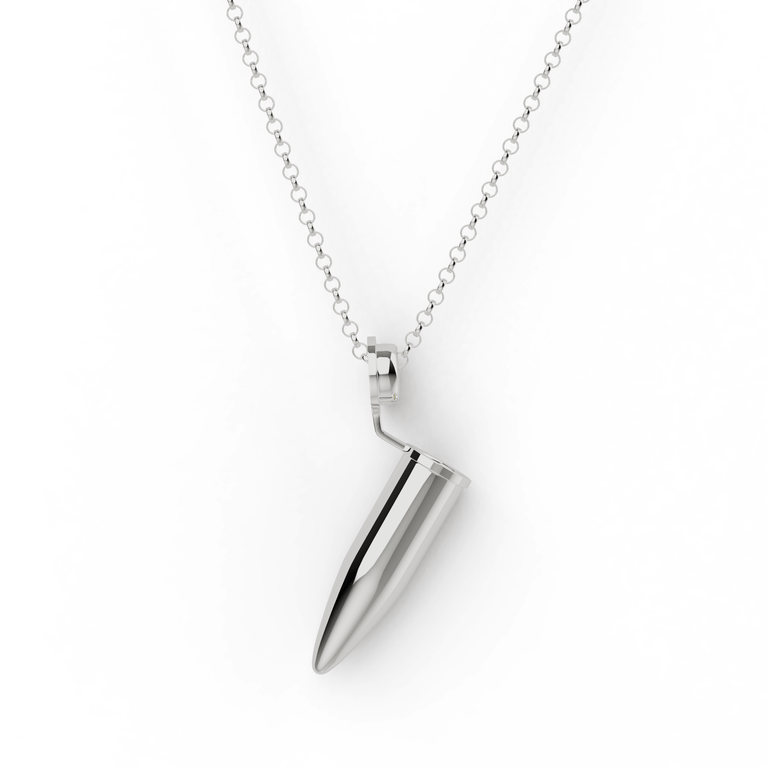
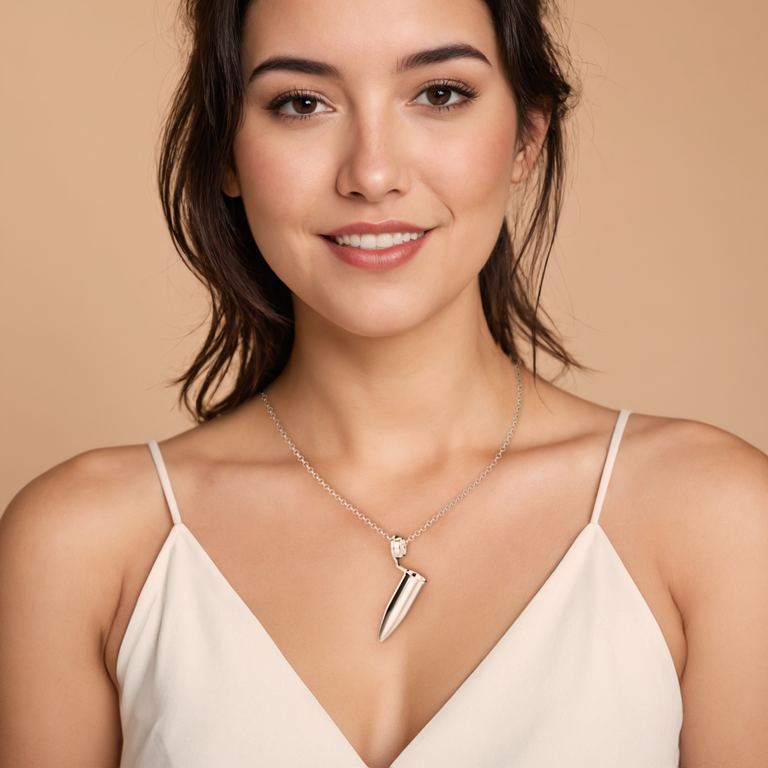
Eppendorf necklace | sterling silver
The 1.5 ml microcentrifuge tube is the most-handled object in any molecular biology lab. Every DNA prep. Every protein sample. Every PCR reaction worth running in the last forty years has spent some time in one. The Eppendorf, here in 31 mm of sterling silver.
The Science Behind the Eppendorf Tube
The microcentrifuge tube was developed by the Hamburg-based company Eppendorf AG, whose first centrifuge launched in 1962. The standardised polypropylene 1.5 ml tube became universal in molecular biology labs through the 1970s and 1980s, solving a practical problem: a small, closeable, centrifuge-compatible vessel that could handle sub-millilitre volumes without contamination or evaporation. The conical base allows complete pelleting of precipitated material, which is critical in DNA extraction, cell fractionation, and almost every sub-procedure in modern life science research. The brand name became genericised: scientists worldwide say "pass me an eppendorf" regardless of the brand printed on the tube. The same way one asks for a hoover or a xerox.
Who Tends to Wear This
- molecular biologists and biochemists
- PhD students and postdocs in the life sciences
- laboratory technicians and research scientists
- anyone who considers a bench their natural working environment
For someone who has used ten thousand of these and never thought to wear one. A reasonable escalation.
Explore Related Medical & Lab Tools Jewelry
- Eppendorf necklace | gold vermeil
- Eppendorf earrings | silver
- Pipette necklace | silver
- Petri dish necklace | silver
- Microscope necklace | silver
FAQ
Is this a serious lab gift or a quirky one?
Most often a serious one, in the sense of a quietly identifying piece. Working molecular biologists, biochemists, and lab technicians who own one almost always frame it as a reference to their bench, not a joke. PhD students at the end of a long thesis tend to receive it as a gift. Anyone outside the life sciences may read it as ornamental, which the wearer can take or leave.
Why an Eppendorf rather than a more iconic-looking lab object?
Because the Eppendorf is the object the profession identifies with. A double helix is more visually dramatic but less specific to bench work. A microscope is recognisable to anyone outside the field. The Eppendorf is the object that only means something to someone who has spent time at a bench. The understatement is the point.
What size is the pendant and what is the return policy?
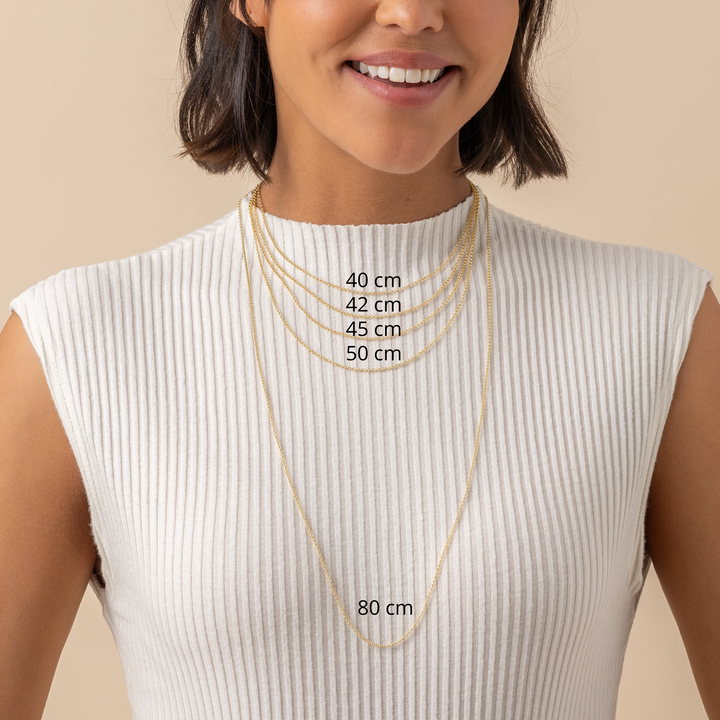
925 sterling silver, 31 mm pendant on a 45 cm sterling silver chain with a 5 cm extender. Nickel-free and hypoallergenic. Free worldwide DHL Express in 1-5 business days, with all import duties and taxes covered. 30-day “Love It or Return It” returns.
Is there a gold version, or matching earrings?
Both. The same 31 mm Eppendorf pendant is available in 18K gold vermeil at the same chain length. Matching Eppendorf earrings also exist in sterling silver. The three pieces sometimes go together as a set for a PhD graduation, or the gold and silver as a pair across two people who share a lab.

Medical & Lab tools
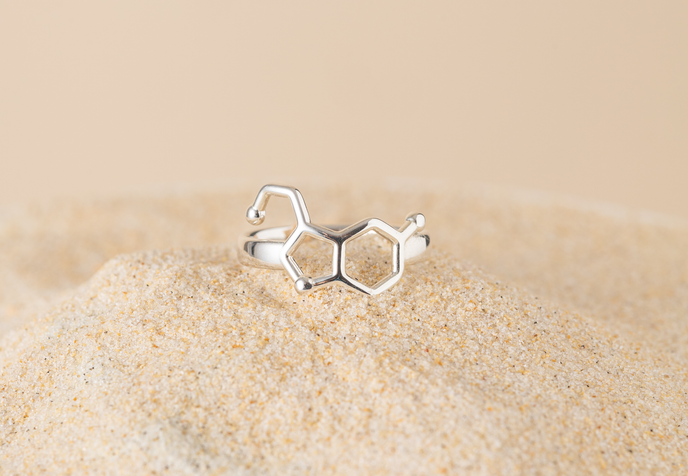
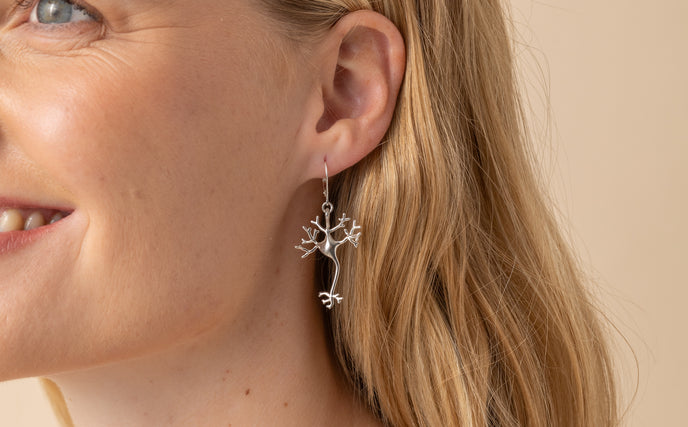
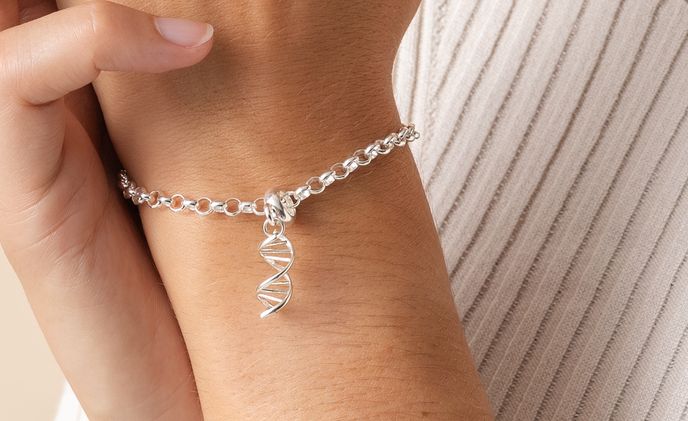
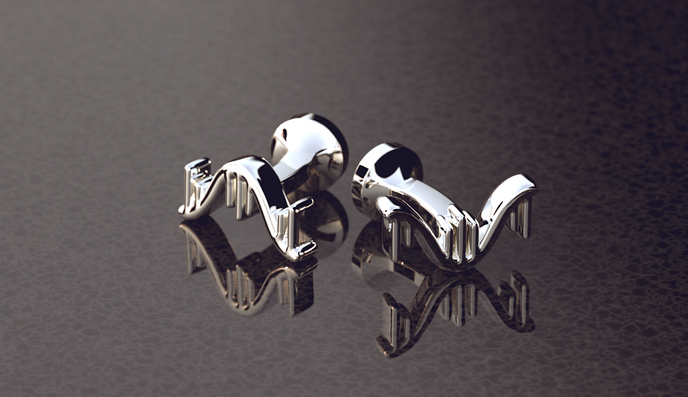
Dive into the captivating world of science-inspired jewelry, where intricate designs meet the essence of medical and laboratory tools. These masterfully crafted pieces act as subtle yet striking tributes to the instruments that have paved the way for scientific discovery. From DNA helices to microscope charms, each piece serves as a conversation starter, a talisman, and a small monument to human ingenuity. They're not just accessories; they're wearable artifacts that tell a story of scientific exploration and advancement.
Find your perfect fit: measure an Existing Ring
Finding out your ring size at home is a simple process and can help you shop for jewelry online with confidence.
Necklace length guide