€ 155


Still questions? Contact us
Pipette necklace | silver
The first pipette anyone uses in a wet lab usually feels awkward. The thumb wheel is stiff, the tips fall off, the volumes look the same on the display whether you have aspirated or not. Three months in, the same pipette becomes invisible. This 31 mm 925 sterling silver pendant is for the people who passed that threshold.
The Science Behind the Micropipette
The air-displacement micropipette was developed by Heinrich Schnitger at the University of Marburg in 1957, then commercialised in the 1960s by Eppendorf, who licensed Schnitger's design. Before the micropipette, accurate transfer of microlitre volumes required mouth pipetting, which was unsafe and imprecise. The piston-and-tip design replaced both. The mechanism is simple: a piston displaces a fixed volume of air, the air column draws liquid into the disposable tip, and a controlled release dispenses it. Calibrated micropipettes hold accuracy to within one or two percent over their volume range. Almost every modern wet-lab assay assumes their existence.
Who Reaches For This
People who spend their working hours moving microlitres of liquid around.
- molecular biologists, biochemists, and cell biologists
- laboratory technicians and research assistants
- microbiologists, virologists, and clinical lab staff
- graduate students who have built up serial-dilution muscle memory
Explore Related Medical and Lab Jewelry
- Pipette necklace | gold vermeil
- Eppendorf earrings | silver
- Microscope necklace | silver
- Petri dish necklace | silver
- Syringe necklace | silver
Frequently Asked Questions
Why a pipette pendant?
Because the pipette is the tool that defines wet-lab work. Anyone who has spent a year at the bench has made hundreds of thousands of pipetting motions, and the device is unmistakable to anyone in that world. The pendant reads as a quiet professional reference rather than a generic lab symbol.
Who is the typical recipient?
Wet-lab researchers, lab technicians, and graduate students are the three groups that order this most. The piece tends to be chosen as a graduation gift for a master's or PhD finish, or as a personal milestone for someone moving from bench science into another role.
What are the specs and what is the return policy?
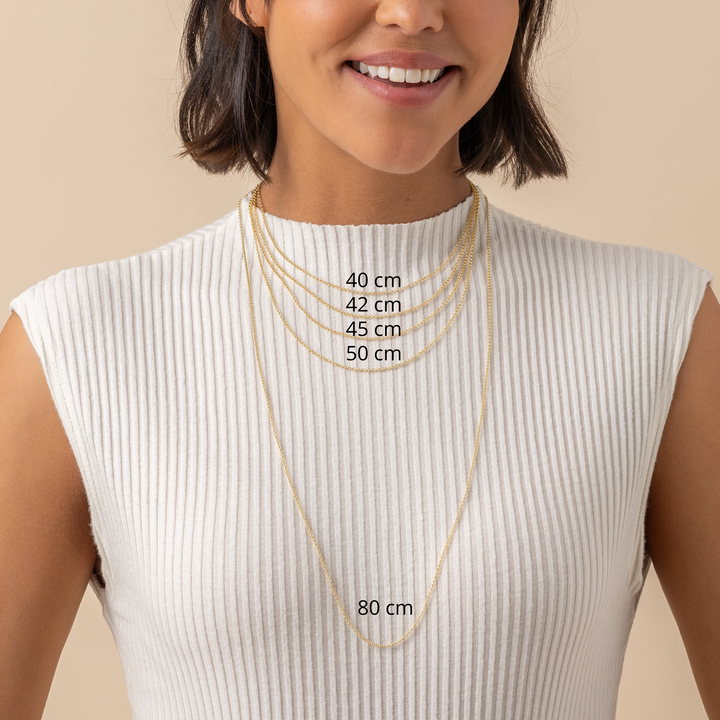
925 sterling silver, 31 mm pendant, 45 cm chain with a 5 cm extender. Nickel-free and hypoallergenic. Ships free worldwide via DHL Express in 1-5 business days, with all import duties and taxes covered. 30-day “Love It or Return It” returns.
Is this available in gold?
Yes. The same 31 mm pipette pendant is available in 18K gold vermeil at the same size and chain length.

Medical & Lab tools
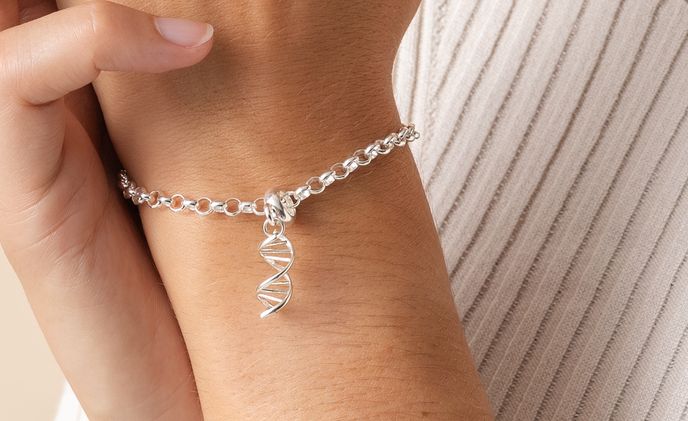
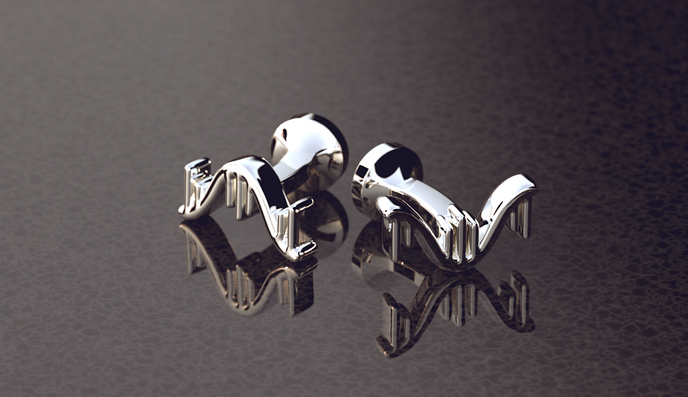
Dive into the captivating world of science-inspired jewelry, where intricate designs meet the essence of medical and laboratory tools. These masterfully crafted pieces act as subtle yet striking tributes to the instruments that have paved the way for scientific discovery. From DNA helices to microscope charms, each piece serves as a conversation starter, a talisman, and a small monument to human ingenuity. They're not just accessories; they're wearable artifacts that tell a story of scientific exploration and advancement.
Find your perfect fit: measure an Existing Ring
Finding out your ring size at home is a simple process and can help you shop for jewelry online with confidence.
Necklace length guide