€ 205


Still questions? Contact us
Eye section necklace | 18k gold vermeil
The retina is the only part of the central nervous system you can see in a living person without opening anything. A clinic ophthalmoscope is also, technically, a brain scanner.
The Anatomy of the Eye
The human eye is built like a precision optical instrument with a neural detector at the back. Light enters through the cornea, passes the aqueous humour and the lens, crosses the vitreous, and lands on a layered neural sheet developmentally continuous with the brain. The retina itself is an outgrowth of the diencephalon, which is why retinal imaging now functions as a window onto the rest of the central nervous system. Optical coherence tomography produces images of retinal layers at near-cellular resolution and is used routinely to diagnose macular degeneration, diabetic retinopathy, and glaucoma. The same images are increasingly being read for early signs of Alzheimer's, multiple sclerosis, and cardiovascular disease.
Who Reaches For This
The audience is mostly people who look at eye anatomy daily on a screen:
- ophthalmologists and vitreoretinal surgeons
- retinal researchers and visual neuroscientists
- optometrists who read OCT scans every clinic day
- medical students rotating through ophthalmology for the first time
Explore Related Human Anatomy Jewelry
- Eye section necklace | silver
- Eye necklace | silver
- Inner ear anatomy necklace | gold vermeil
- Brain necklace | gold vermeil
FAQ
Is this specific enough for a working ophthalmologist?
Yes. Eye anatomy is one of the most-recognised teaching subjects in medicine, and the gold vermeil version reads more as a piece of formal jewelry than as a clinical reference, so it travels well between conferences, dinners, and clinic.
Why is OCT considered a brain-imaging tool too?
Because the retina is developmentally part of the brain. The neural layers OCT measures are direct extensions of the diencephalon, so changes in those layers can reflect what's happening elsewhere in the central nervous system. Retinal nerve fibre layer thinning, for example, has been linked to multiple sclerosis and to early Alzheimer's disease in research settings.
What's the size, material, and chain?
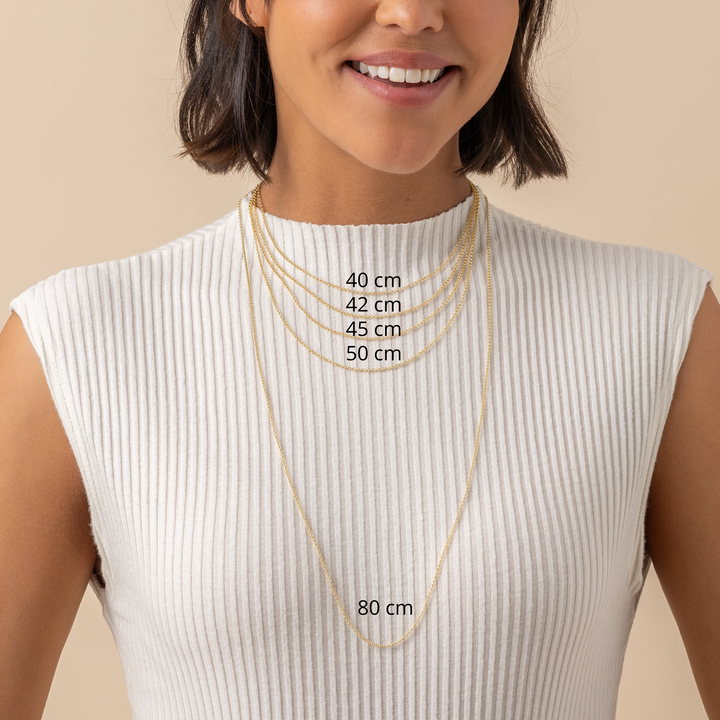
32 mm pendant in 18k gold vermeil over a sterling silver core, nickel-free. 45 cm chain with a 5 cm extender. Ships free worldwide via DHL Express in 1-5 business days, with all import duties prepaid. Comes in a ready-to-gift jewelry box with the 30-day "Love It or Return It" policy.
Same design as the silver version?
Yes. Same 32 mm size and same model. Material is the only difference.

Human Anatomy
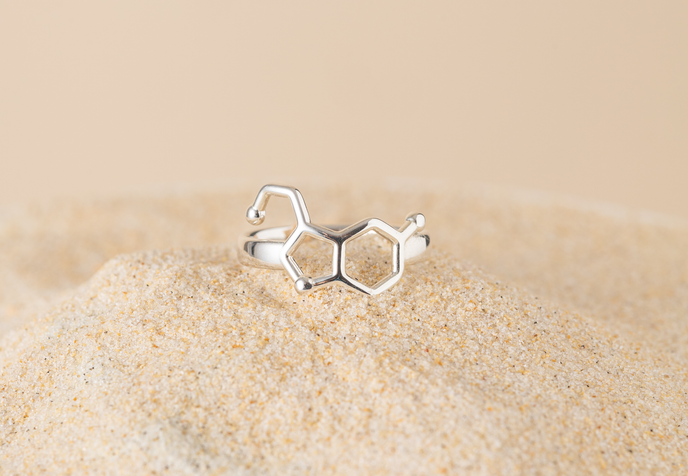
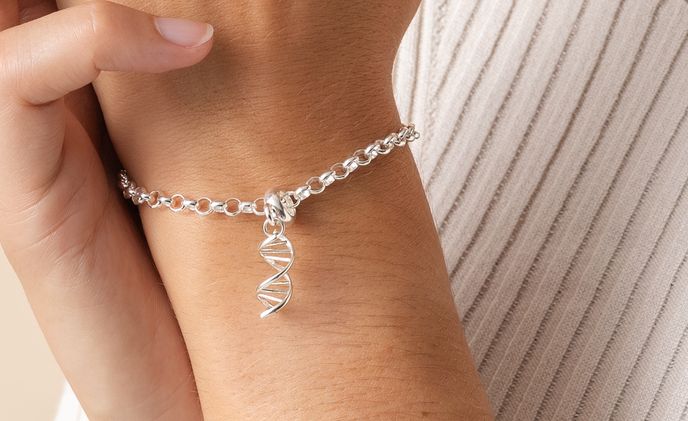
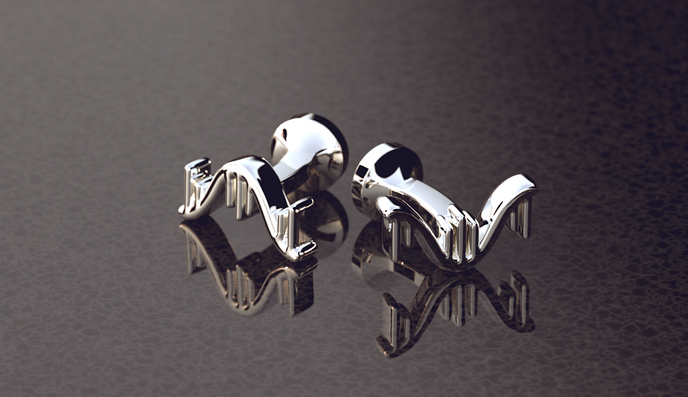
Anatomical wonders have never been so elegantly articulated. Our anatomical collection embodies the intricate and awe-inspiring structures that make us who we are. From DNA double helices to neuronal networks, our pieces don't merely imitate—they interpret. The collection serves as a tangible tribute to the hidden beauty within us all, elevating the realms of biology and medicine into wearable art. With exquisite attention to detail, each piece is a dialogue between form and function, revealing the enigmatic eloquence of the human body.


Find your perfect fit: measure an Existing Ring
Finding out your ring size at home is a simple process and can help you shop for jewelry online with confidence.
Necklace length guide