€ 265


Still questions? Contact us
Inner ear anatomy necklace | gold vermeil
The cochlea, semicircular canals, and vestibule, rendered in 18K gold vermeil at 20 mm. The inner ear is one of the more visually distinctive structures in human anatomy: the spiral cochlea pairs with the three-dimensional loops of the vestibular system in a shape that is unmistakable to anyone who has dissected a temporal bone.
The Science Behind the Inner Ear
The cochlea converts mechanical vibration into electrical signals. Sound enters as pressure waves that travel through the oval window into the cochlear duct, where the basilar membrane vibrates at frequencies that vary along its length. Inner hair cells along the basilar membrane convert that motion into receptor potentials, which the spiral ganglion neurons relay to the brain. The basilar membrane is tonotopically organised: high frequencies at the base, low frequencies at the apex. Damage to inner hair cells, often from noise exposure or aminoglycoside antibiotics, is irreversible in mammals and is the basis of most sensorineural hearing loss. The semicircular canals next to the cochlea handle balance through a separate mechanism.
Who Will Recognise It
For people whose work involves hearing, balance, or temporal bone anatomy.
- otolaryngologists and otologists
- audiologists and hearing scientists
- cochlear implant clinicians and researchers
- medical students who have just finished a head and neck anatomy block
Explore Related Human Anatomy Jewelry
- Inner ear anatomy necklace | silver
- Larynx necklace | silver
- Scapula necklace | silver
- Foot anatomy necklace | silver
- Hyoid bone necklace | gold vermeil
Frequently Asked Questions
What does the pendant show?
The bony labyrinth of the inner ear: cochlea (the spiral), vestibule (the central chamber), and the three semicircular canals (the loops). The same structure visible in a CT or MRI of the temporal bone, simplified for jewelry scale but anatomically faithful.
Why this anatomy in particular?
Because the inner ear's geometry is genuinely unique. No other structure in the human body combines a spiral with three orthogonal loops in such a compact form. Otologists and audiologists tend to recognise it instantly.
What are the specs and what is the return policy?
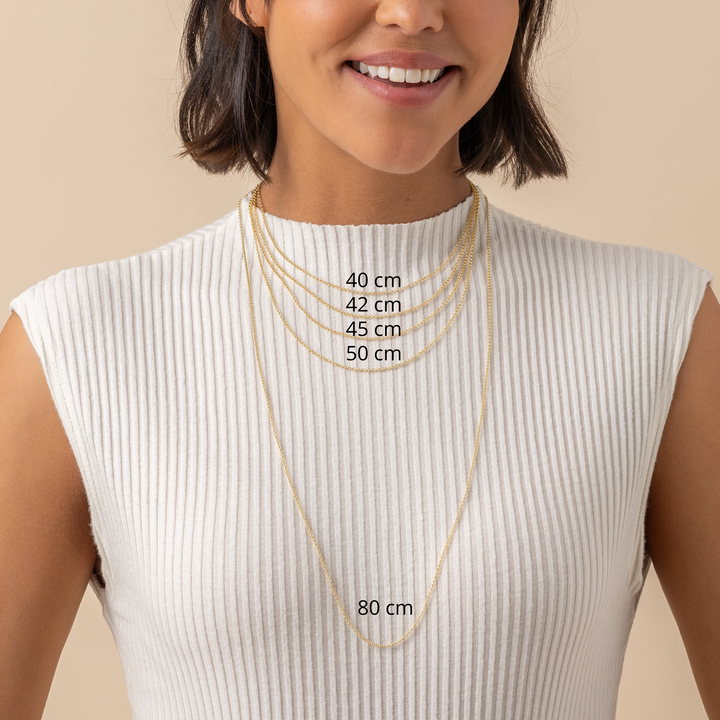
18K gold vermeil with sterling silver core and 2.5 micron gold plating, 20 mm pendant, 45 cm chain with a 5 cm extender. Nickel-free and hypoallergenic. Ships free worldwide via DHL Express in 1-5 business days, with all import duties and taxes covered. 30-day “Love It or Return It” returns.
Is this also available in silver?
Yes. The same 20 mm inner ear anatomy pendant is available in 925 sterling silver at the same size and chain length.

Human Anatomy
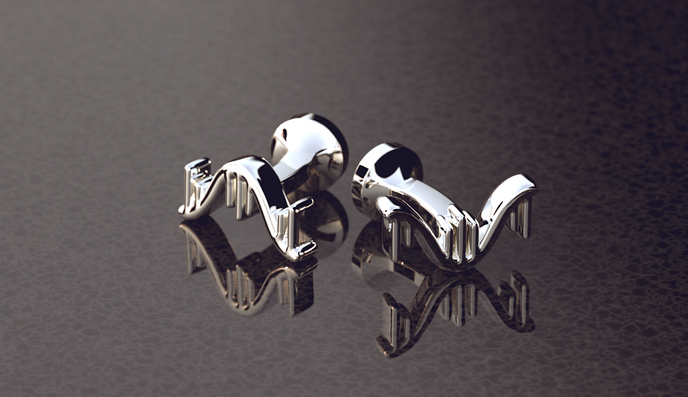
Anatomical wonders have never been so elegantly articulated. Our anatomical collection embodies the intricate and awe-inspiring structures that make us who we are. From DNA double helices to neuronal networks, our pieces don't merely imitate—they interpret. The collection serves as a tangible tribute to the hidden beauty within us all, elevating the realms of biology and medicine into wearable art. With exquisite attention to detail, each piece is a dialogue between form and function, revealing the enigmatic eloquence of the human body.
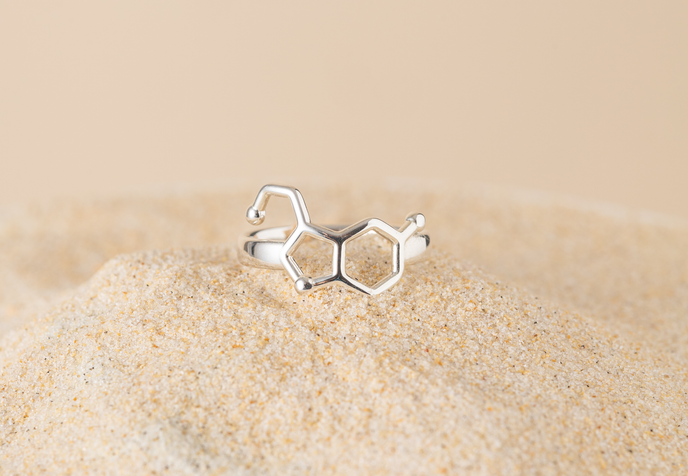

Find your perfect fit: measure an Existing Ring
Finding out your ring size at home is a simple process and can help you shop for jewelry online with confidence.
Necklace length guide