€ 205


Still questions? Contact us
Insulin necklace | gold vermeil
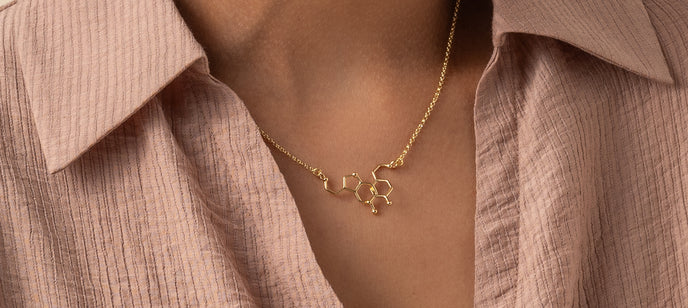
Insulin in 18K gold vermeil, at 17 mm. The molecule that Banting and Best isolated in 1921, that Sanger sequenced in 1951, and that became the first therapeutic protein produced by recombinant DNA technology in 1982. The pendant is small because the protein is small. Most of the work it does in the body is mechanism, not size.
The Science Behind Insulin
Insulin is a 5.8 kilodalton protein, two chains held together by three disulfide bonds, secreted by pancreatic beta cells in response to rising blood glucose. Binding to the insulin receptor triggers autophosphorylation and a signalling cascade through IRS proteins, PI3K, and Akt that pulls glucose transporters to the cell surface, suppresses gluconeogenesis in the liver, and promotes protein synthesis throughout the body. In type 1 diabetes, autoimmune destruction of beta cells removes endogenous insulin, and exogenous replacement is required to live. In type 2 diabetes, peripheral tissues become resistant to the same hormone, and the system attempts to compensate by producing more.
Who Reaches For This
People whose work or daily life is shaped by glucose metabolism, beta-cell biology, or diabetes care.
- endocrinologists and diabetologists
- diabetes researchers and beta-cell biologists
- biochemistry students who learned signalling cascades through insulin
- recipients living with type 1 diabetes who want the molecule in gold rather than silver
Common occasions: a defended PhD on metabolic signalling, a graduation gift for a diabetes-care clinician, or a personal milestone for someone who has lived with type 1 diabetes for ten or twenty years.
Explore Related Cellular Biology Jewelry
- Insulin necklace | silver
- Human growth hormone necklace | silver
- Hemoglobin necklace | silver
- Beta sheet necklace | gold vermeil
- Myosin necklace | gold vermeil
Frequently Asked Questions
What does the pendant show?
The two-chain insulin protein, with the disulfide-stabilised fold that allows it to bind the insulin receptor and initiate signalling. The pendant size is small (17 mm) because insulin itself is one of the smaller protein hormones.
What are the specs and what is the return policy?
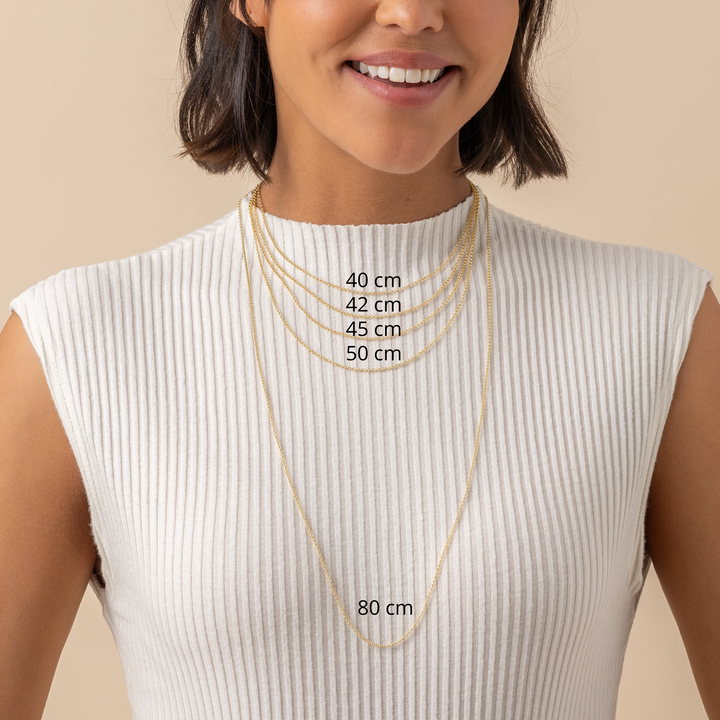
18K gold vermeil with sterling silver core and 2.5 micron gold plating, 17 mm pendant, 45 cm chain with a 5 cm extender. Nickel-free and hypoallergenic. Ships free worldwide via DHL Express in 1-5 business days, with all import duties and taxes covered. 30-day “Love It or Return It” returns.
Is this also available in silver?
Yes. The same 17 mm insulin pendant is available in 925 sterling silver at the same size and chain length.
Cellular Biology
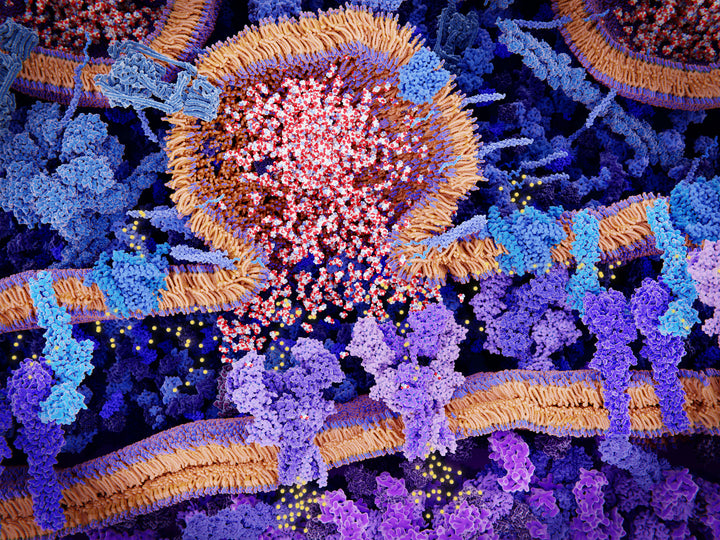
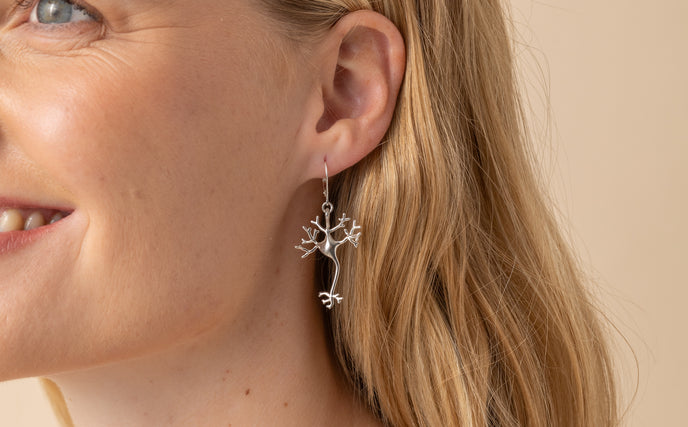
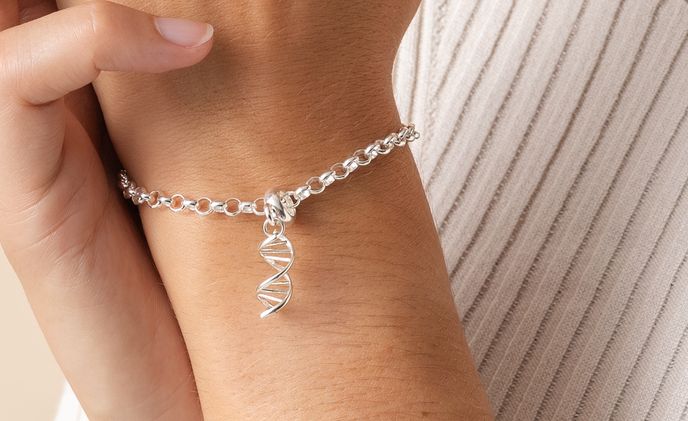
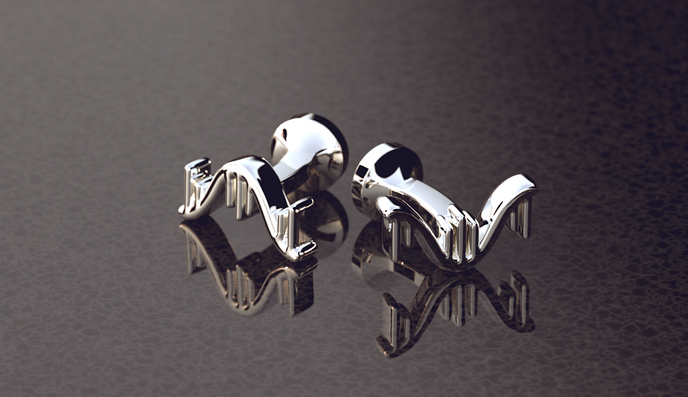
Step into the fascinating world of cellular biology through our unique jewelry designs. These pieces serve as wearable reflections of life's microscopic wonders, capturing the aesthetics of DNA strands, cellular formations, and more. Far from simple adornments, they spark dialogue and honor the captivating complexities found within biological research. Merging scientific accuracy with artistic flair, each creation offers a tactile experience that bridges the gap between scientific inquiry and aesthetic appreciation.
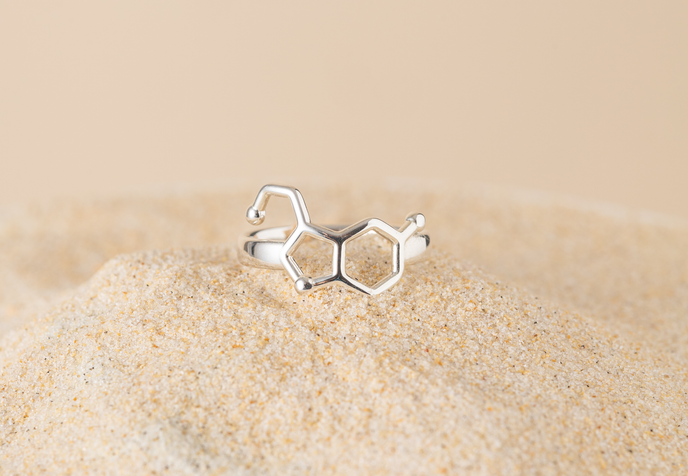
Find your perfect fit: measure an Existing Ring
Finding out your ring size at home is a simple process and can help you shop for jewelry online with confidence.
Necklace length guide