€ 160


Still questions? Contact us
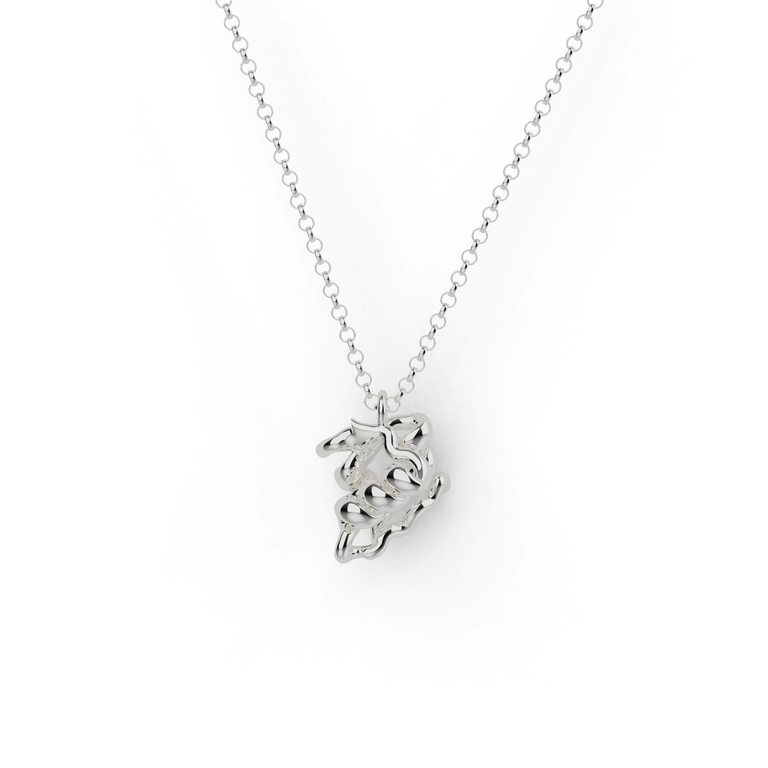
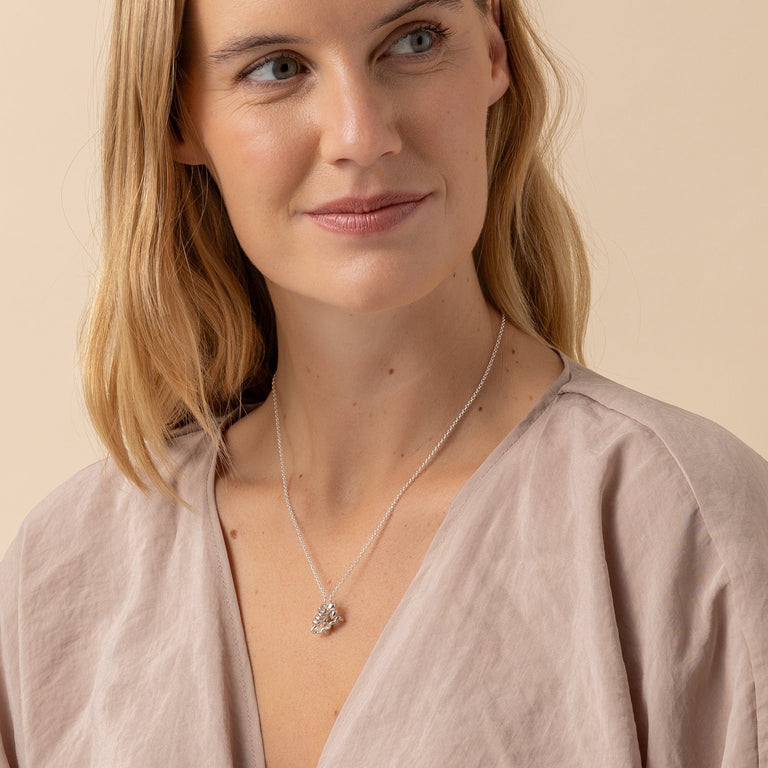
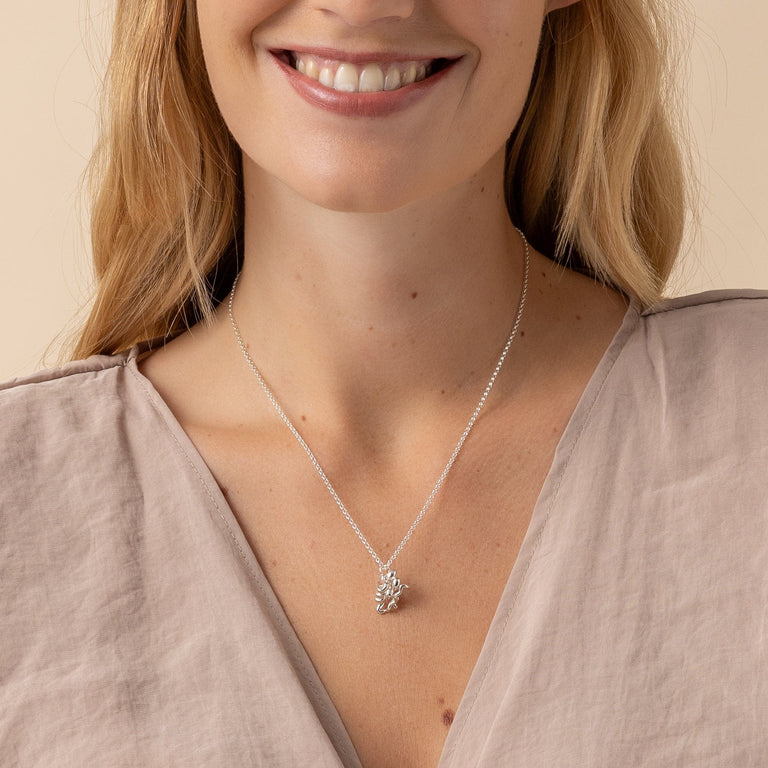
Insulin necklace | sterling silver
Insulin is the peptide hormone that endocrinologists, diabetologists, and biochemists return to across every framework: the structure with two chains and three disulfide bonds, the receptor cascade, the GLUT4 translocation that glucose uptake depends on, the clinical history, the metabolic disease. Every angle of it matters.
The Science Behind Insulin
Insulin is a 51-amino acid peptide hormone synthesised by pancreatic beta cells in response to elevated blood glucose. The A chain (21 residues) and B chain (30 residues) are linked by two interchain disulfide bonds plus one intrachain disulfide in the A chain. It binds the insulin receptor (a receptor tyrosine kinase) and triggers a signalling cascade that increases glucose uptake, promotes glycogen synthesis, and suppresses gluconeogenesis. Frederick Banting and Charles Best isolated it in 1921, first administered it to a human in 1922, and the discovery transformed diabetes from a fatal disease to a manageable condition. Frederick Sanger sequenced it in 1955, making insulin the first protein ever sequenced (Nobel Prize 1958).
The Audience
- endocrinologists and diabetologists who work with it daily
- diabetes researchers and biochemists studying the insulin cascade
- people living with type 1 diabetes and their families
- medical students who recognise insulin's place in the history of medicine
Explore Related Molecules Jewelry
- Insulin necklace | gold vermeil
- Glucose necklace | silver
- Hemoglobin necklace | silver
- Adrenaline necklace | silver
FAQ
Will someone with type 1 diabetes feel seen by this piece?
Yes. Insulin is life-sustaining, and for those managing diabetes or researching metabolic disease, wearing the molecule is recognition and celebration. The molecule transforms from something burdensome into something discovered, sequenced, and awarded a Nobel Prize.
What makes insulin so important scientifically?
It was the first protein ever sequenced, a breakthrough that launched molecular biology. Its structure, with two chains linked by disulfide bonds, became the iconic image of peptide architecture. Every biochemistry student learns it. Every researcher in metabolism encounters it. It holds more scientific history than most molecules in the catalog.
What is the size, material, and chain?
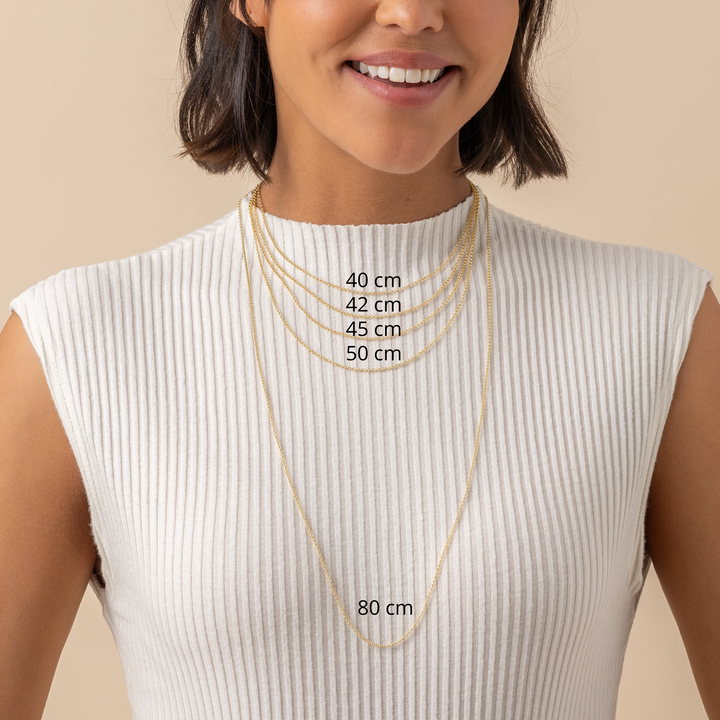
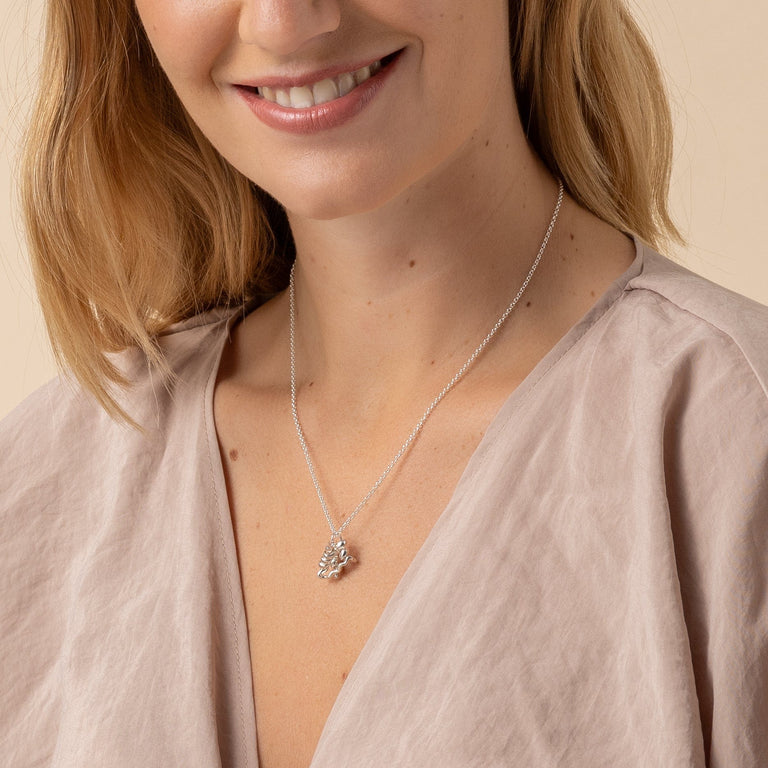
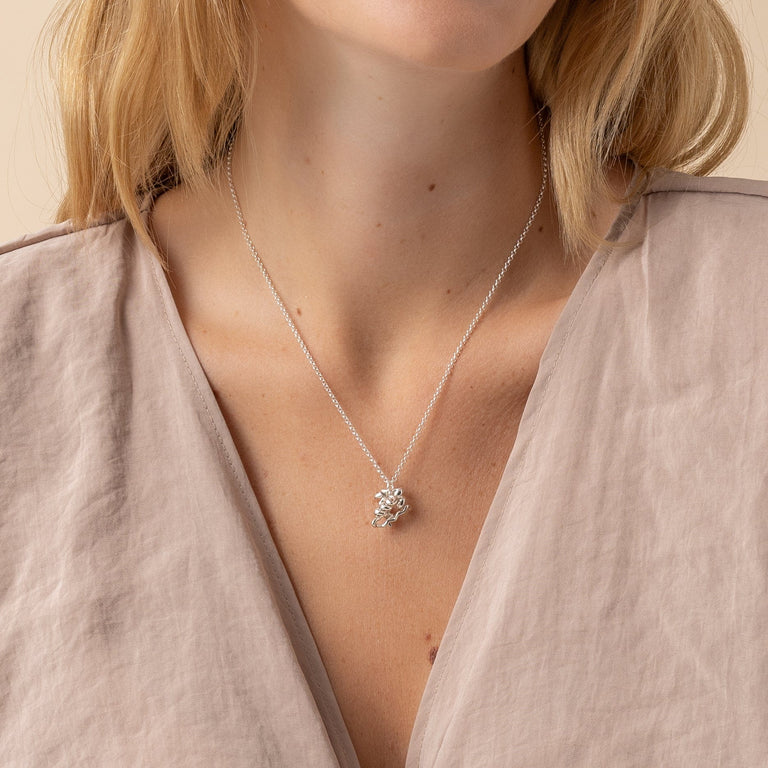
17 mm pendant in 925 sterling silver, nickel-free and hypoallergenic. 45 cm sterling silver chain with 5 cm extender. Ships free worldwide via DHL Express in 1-5 business days, with all import duties prepaid. Comes in a ready-to-gift jewelry box with the 30-day “Love It or Return It” policy.
Is there a gold version?
Yes. Insulin is available in 18k gold vermeil at the same 17 mm size. Both versions work as personal symbols or professional recognition pieces.
Cellular Biology
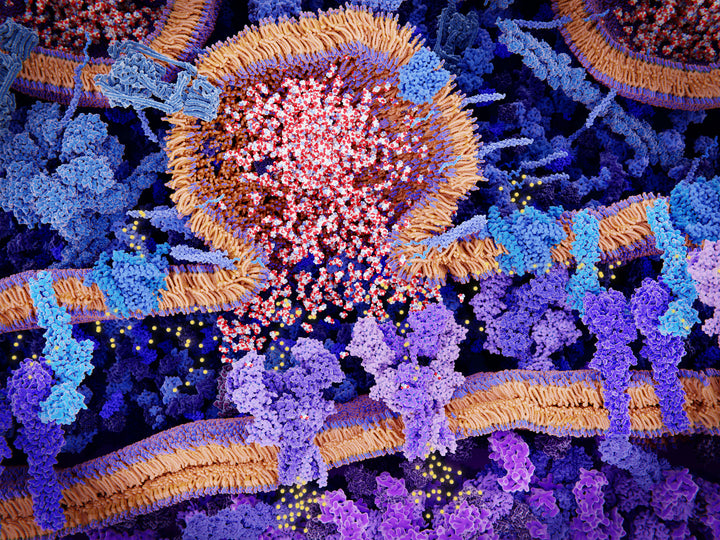
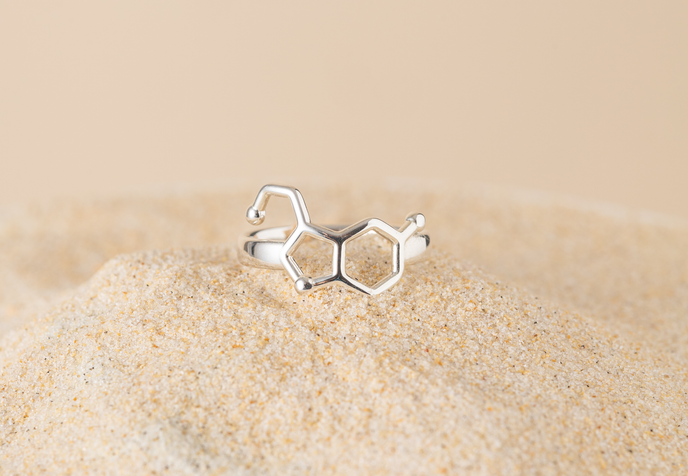
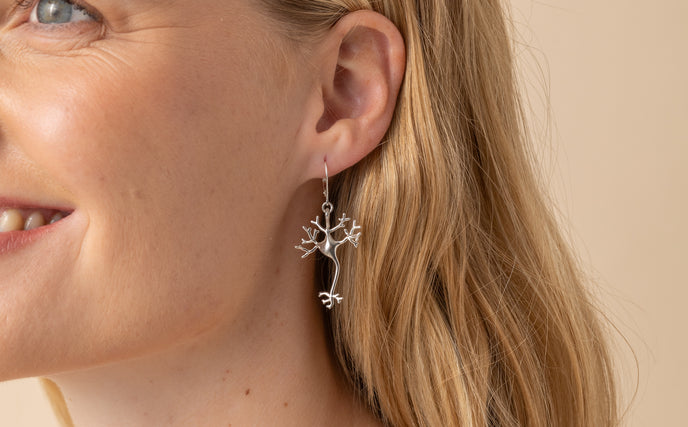
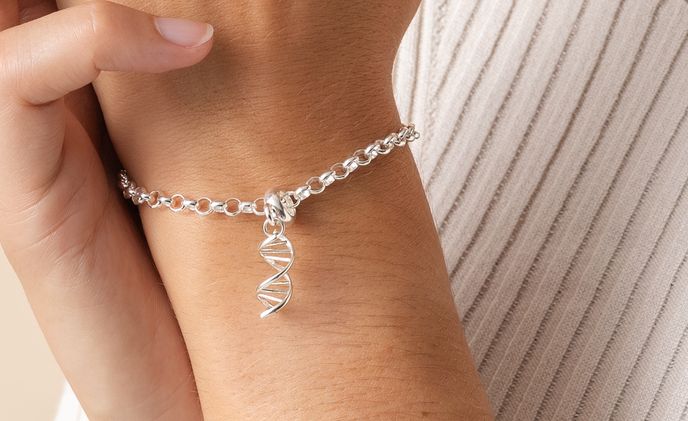
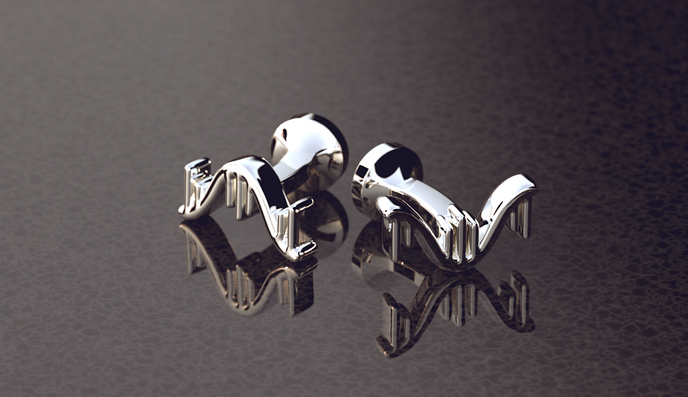
Step into the fascinating world of cellular biology through our unique jewelry designs. These pieces serve as wearable reflections of life's microscopic wonders, capturing the aesthetics of DNA strands, cellular formations, and more. Far from simple adornments, they spark dialogue and honor the captivating complexities found within biological research. Merging scientific accuracy with artistic flair, each creation offers a tactile experience that bridges the gap between scientific inquiry and aesthetic appreciation.
Find your perfect fit: measure an Existing Ring
Finding out your ring size at home is a simple process and can help you shop for jewelry online with confidence.
Necklace length guide