€ 215


Still questions? Contact us
Red blood cells necklace L | sterling silver
If you trained on a hematology service, you have stared at red cells under a microscope until the spherocytes, target cells, and bite cells became second nature. The biconcave disc, roughly 25 trillion of them in an adult body, the most numerous cell type by far and the one that makes blood look like blood.
The Science of Red Blood Cells
A mature human red blood cell is a biconcave disc roughly 7 to 8 micrometres across and 2 micrometres thick, carrying about 270 million hemoglobin molecules. The cell loses its nucleus and most organelles during erythropoiesis in the bone marrow, leaving a flexible membrane and a saturated hemoglobin payload. Each cell makes about a hundred thousand circulatory passes through capillaries narrower than its own diameter before being cleared by macrophages in the spleen, after roughly 120 days. Hemoglobin abnormalities define entire branches of hematology: sickle cell disease (HbS), thalassemia, hereditary spherocytosis, glucose-6-phosphate dehydrogenase deficiency. Iron metabolism, transfusion medicine, anemia workup, and most of the routine peripheral blood smear all centre on this single cell type. Erythropoiesis itself is the largest cell-production process in the body, replacing about two million cells per second.
A Quiet Symbol For
The audience clusters around blood and bone marrow:
- hematologists, pathologists, and clinical pathologists
- transfusion medicine specialists and blood bank staff
- paediatric and adult sickle cell clinicians
- medical technologists running CBCs and peripheral smears
- residents and fellows training on a hematology service
Explore Related Cellular Biology Jewelry
- Red blood cells necklace S | silver
- Red blood cells necklace L | gold vermeil
- Hemoglobin necklace | silver
- Red blood cell studs | silver
FAQ
Is this specific enough for a hematologist?
Quite specific. Red cells are the central object of hematology, transfusion medicine, and most of clinical pathology. The structure is the first thing a trainee learns to read on a peripheral smear, and the last thing experienced clinicians look at when something does not add up. A pendant referencing it tends to read as field-specific rather than generic biology, particularly for clinicians and scientists working on hemoglobinopathies, anemias, or transfusion practice.
Why are red cells biconcave instead of spherical?
Two reasons. Surface area to volume ratio is higher in a biconcave disc than in a sphere of the same volume, which improves gas exchange across the membrane. The shape is also more deformable, which lets each cell squeeze through capillaries narrower than its own resting diameter without rupturing. Loss of biconcavity (in spherocytosis, in stored blood units, in sickled cells under low oxygen) directly impairs both of those functions, which is why disc shape sits as a clinical readout in itself.
What is the size, material, and chain?
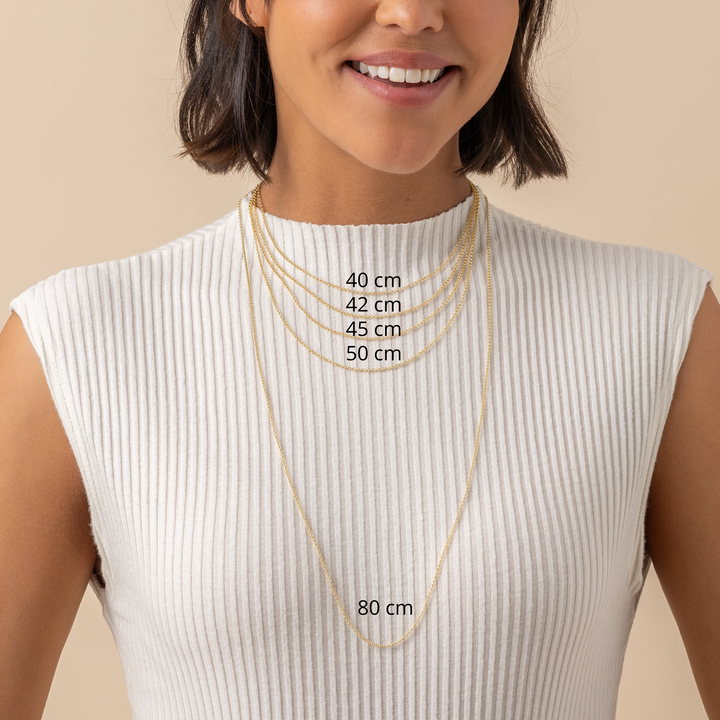
26 mm pendant in 925 sterling silver, nickel-free. 45 cm sterling silver chain with a 5 cm extender. Ships free worldwide via DHL Express in 1-5 business days, with all import duties prepaid. Comes in a ready-to-gift jewelry box with the 30-day “Love It or Return It” policy.
What is the difference between the L and S sizes?
Pendant scale. The L pendant is 26 mm. The S pendant is smaller and reads as a quieter daily-wear option for the same design. The cluster of cells and the underlying biconcave-disc shape are the same on both. The catalog also carries a gold vermeil version of the L and matching red blood cell studs in silver if a paired set is the goal.
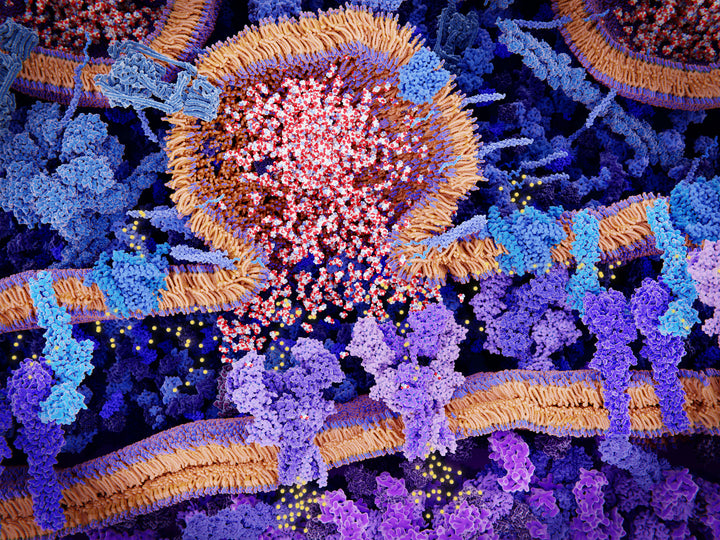
Cellular Biology
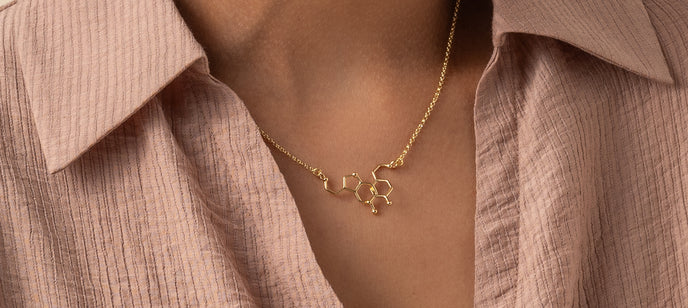
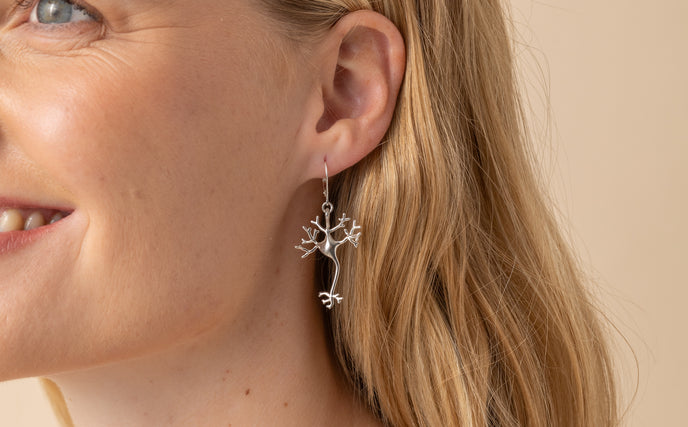
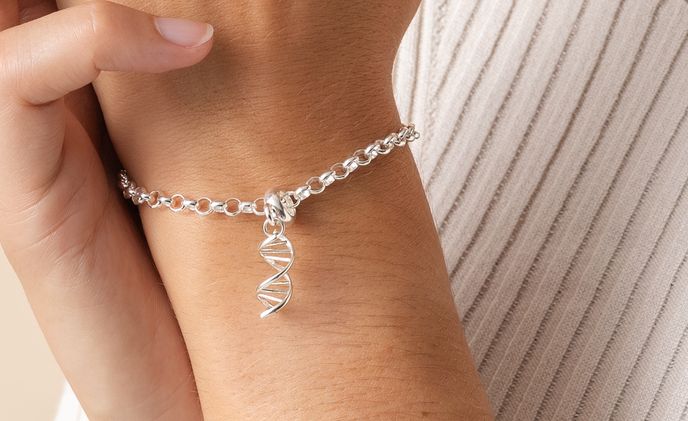
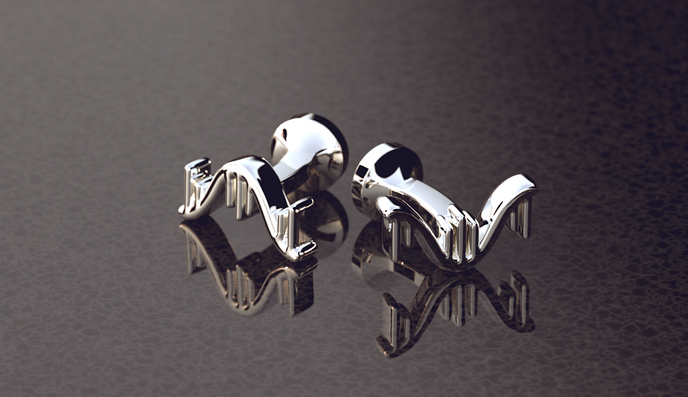
Step into the fascinating world of cellular biology through our unique jewelry designs. These pieces serve as wearable reflections of life's microscopic wonders, capturing the aesthetics of DNA strands, cellular formations, and more. Far from simple adornments, they spark dialogue and honor the captivating complexities found within biological research. Merging scientific accuracy with artistic flair, each creation offers a tactile experience that bridges the gap between scientific inquiry and aesthetic appreciation.
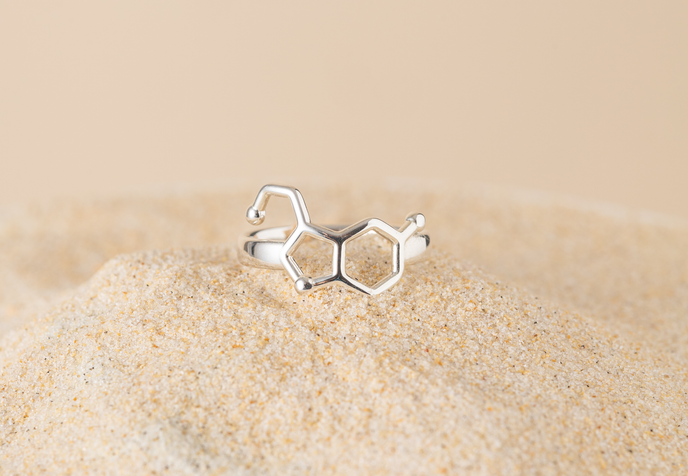
Find your perfect fit: measure an Existing Ring
Finding out your ring size at home is a simple process and can help you shop for jewelry online with confidence.
Necklace length guide