€ 265


Still questions? Contact us
red blood cells necklace L | 18k gold vermeil
Red blood cells shed their nucleus to make room for 270 million hemoglobin molecules. A biconcave disc 7-8 micrometers across, made to flow through capillaries thinner than itself. Life depends on a shape that optimizes oxygen delivery with nowhere left to spare.
The Science of the Red Blood Cell
Erythrocytes are among the most specialized cells in the body, lacking a nucleus and all organelles except hemoglobin. The biconcave disc geometry maximizes surface area for oxygen diffusion while maintaining the flexibility to deform through capillaries smaller than the cell itself. Each red blood cell carries 270 million hemoglobin molecules. The lifespan is 120 days, with approximately 2 million cells produced per second in bone marrow via erythropoiesis, driven by erythropoietin from the kidney. When erythrocyte production fails or hemoglobin structure is disrupted (sickle cell disease, thalassaemia), oxygen delivery collapses. Anaemia remains one of the most common pathologies worldwide.
Worn By
- haematologists and transfusion medicine specialists
- blood researchers and molecular geneticists
- doctors and nurses in critical care
- anyone dedicated to understanding oxygen transport
Explore Related Cellular Biology Jewelry
- Red blood cells necklace L | silver
- Hemoglobin necklace | silver
- Red blood cell studs | silver
- Antibody necklace | silver
FAQ
Why does the biconcave shape matter?
The concave sides maximize surface area for oxygen diffusion and allow the cell to deform through capillaries smaller than itself. This shape is the result of millions of years of evolution optimizing the single job of carrying oxygen to every tissue in the body.
What makes red blood cells unique?
They lack a nucleus and organelles, dedicating all their interior space to hemoglobin (270 million molecules per cell). This extreme specialization trades long-term survival for peak oxygen-carrying capacity. The cell lifespan is 120 days in exchange for maximum functional efficiency.
What material, size, and chain do I get?
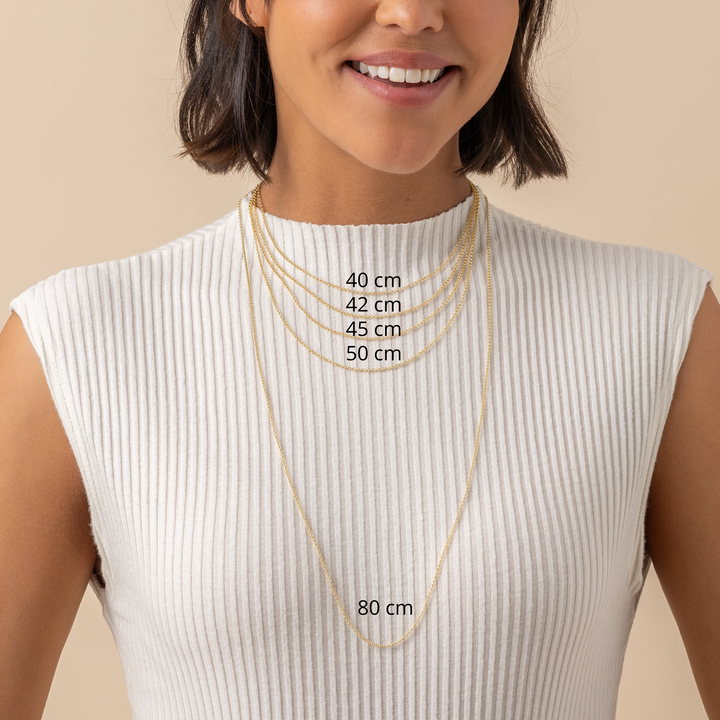
26 mm pendant in 18k gold vermeil (sterling silver core with 2.5 micron gold plating), nickel-free and hypoallergenic. 45 cm gold vermeil chain with lobster clasp and 5 cm extender. High-polish finish. Comes in a ready-to-gift, eco-friendly jewelry box with the 30-day “Love It or Return It” policy. Free worldwide DHL Express shipping (1-5 business days).
How does the gold version compare to silver?
Same 26 mm design, same chain length. The material is the only difference. Both versions ship with all duties and taxes covered.
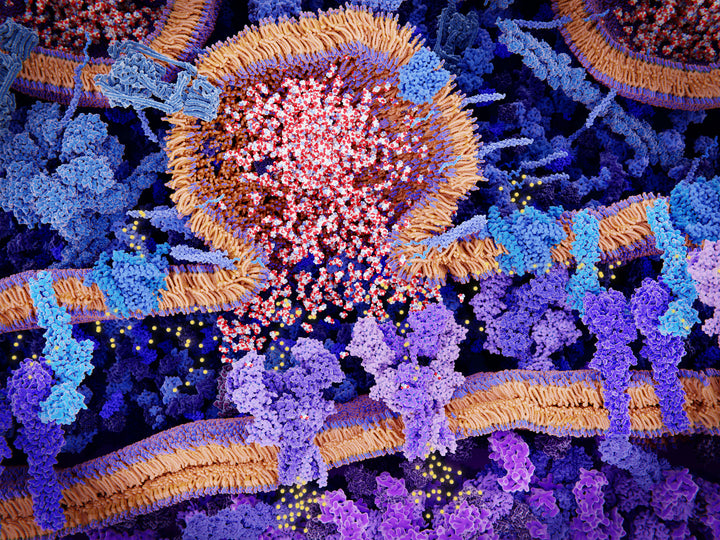
Cellular Biology
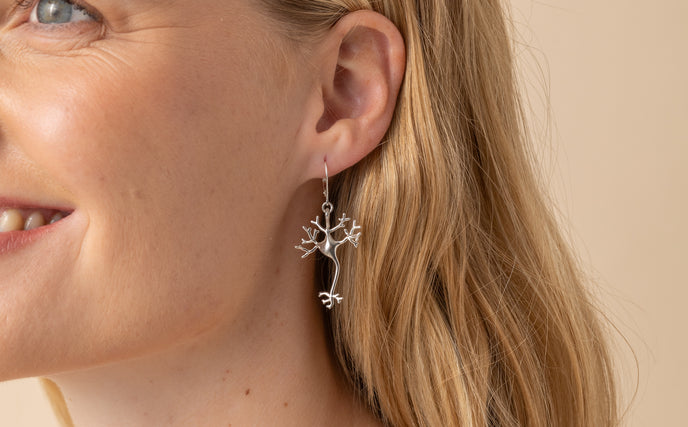
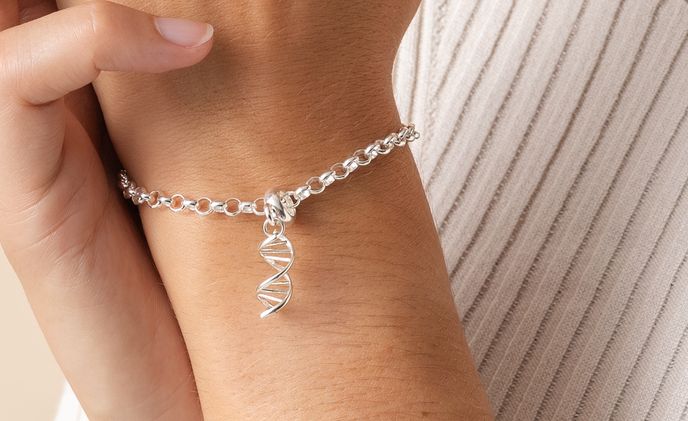
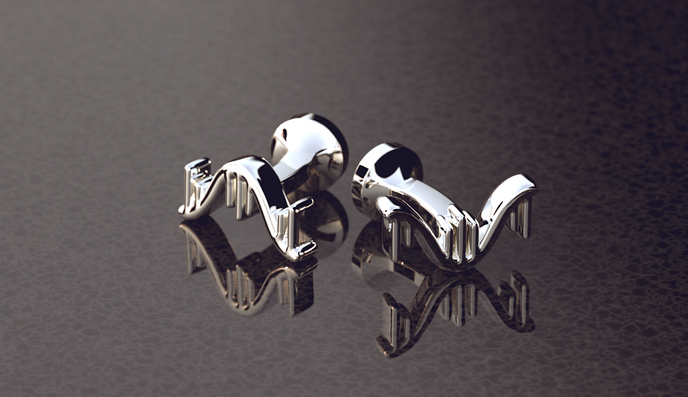
Step into the fascinating world of cellular biology through our unique jewelry designs. These pieces serve as wearable reflections of life's microscopic wonders, capturing the aesthetics of DNA strands, cellular formations, and more. Far from simple adornments, they spark dialogue and honor the captivating complexities found within biological research. Merging scientific accuracy with artistic flair, each creation offers a tactile experience that bridges the gap between scientific inquiry and aesthetic appreciation.
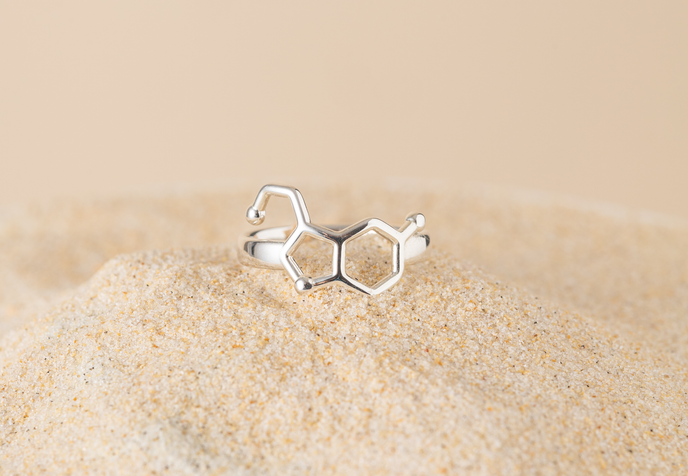
Find your perfect fit: measure an Existing Ring
Finding out your ring size at home is a simple process and can help you shop for jewelry online with confidence.
Necklace length guide