€ 145


Still questions? Contact us
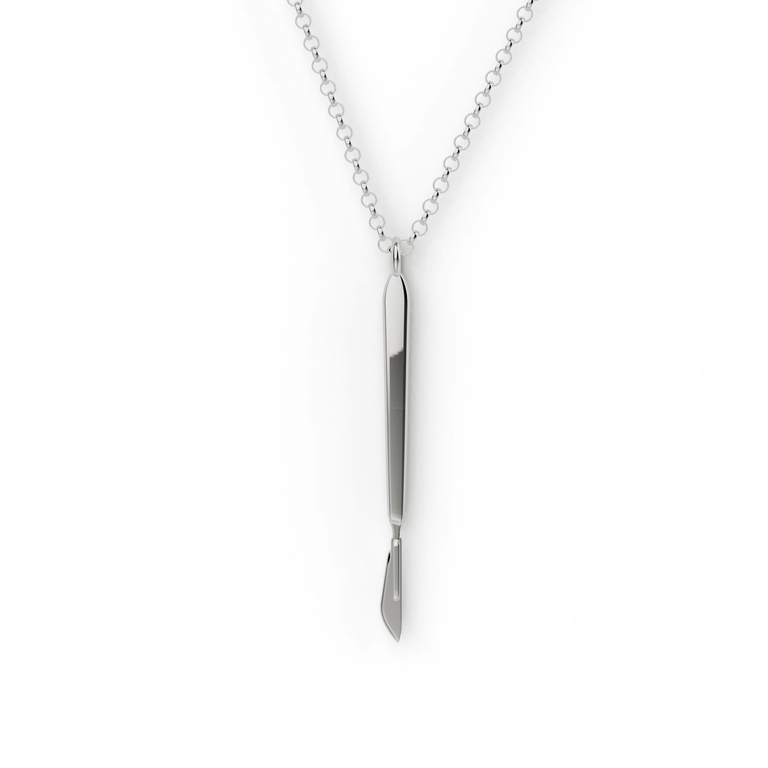
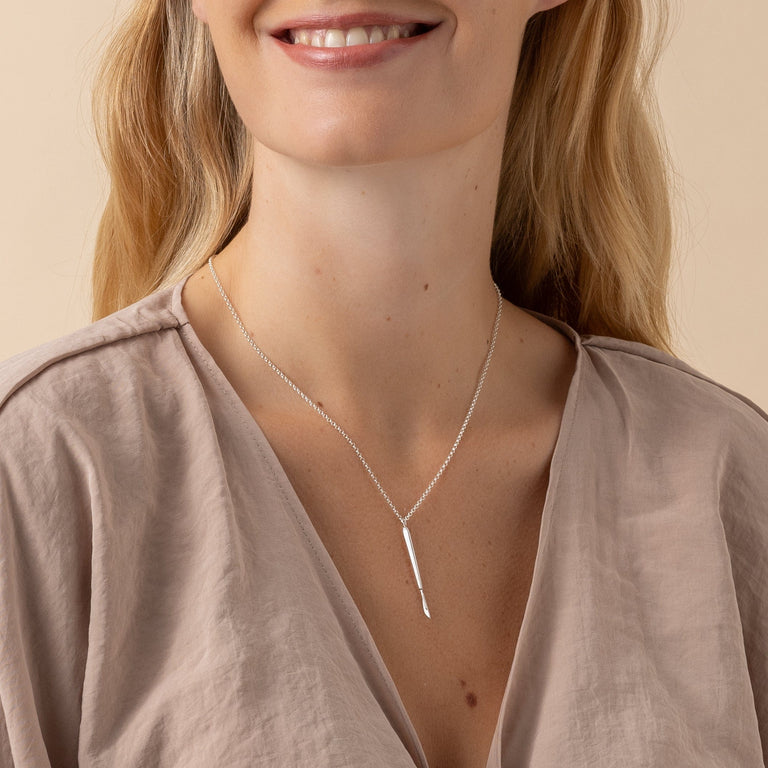
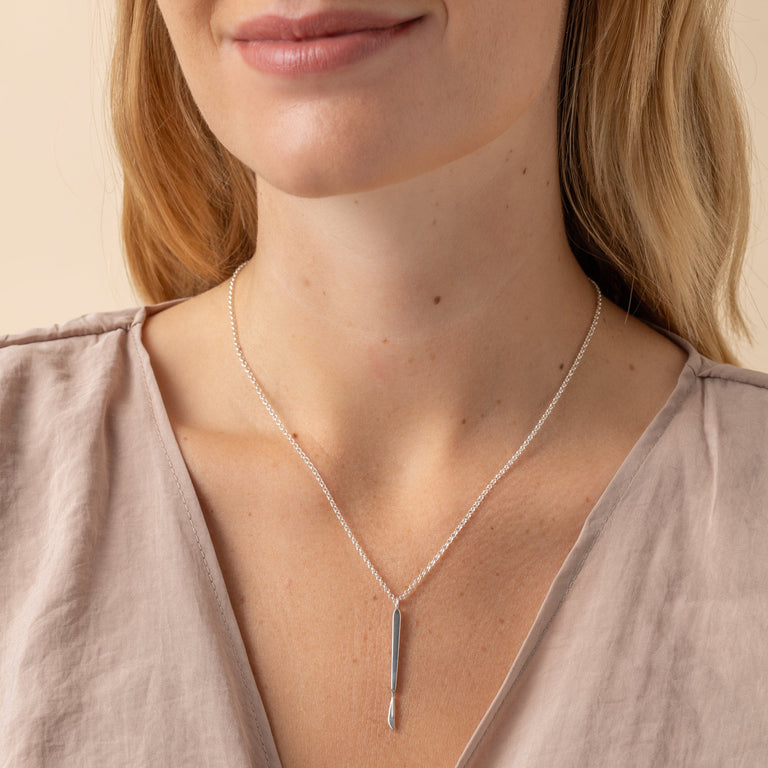
Scalpel necklace | sterling silver
What do you give a surgeon? Something that belongs to her work and still looks like jewelry she would choose herself. This scalpel necklace is a small tribute to the years of training and the long days in theatre, and a gift that makes sense to anyone who spends her days at the operating table.
Who It's For
- a daughter or niece graduating from surgical training
- a friend who scrubs in every day, as a scrub tech or theatre nurse
- a surgeon friend, as a thank-you
- a wife or partner who works in surgery
- yourself, as an everyday piece for work and off duty
Kathy L., who gave it as a present: “This is a beautiful little necklace, and is surprisingly solid-feeling for its size.” Kathryn B. bought one for herself: “Gorgeous piece of jewelry. I am the envy of many.”
Where Surgeons Cut
Skin does not stretch equally in every direction. In 1861 the Viennese anatomist Karl Langer pushed a round spike into the skin of cadavers at many points and found that the holes opened into small slits, lined up in patterns across the body. He credited the French surgeon Guillaume Dupuytren with noticing the effect first. A cut that runs with these lines gapes less and tends to leave a finer scar. Surgeons today plan incisions on lines mapped on living skin, such as relaxed skin tension lines, which largely follow the natural creases.
Explore Related Medical Jewelry
- scalpel necklace | gold vermeil
- scalpel earrings | silver
- scalpel earrings | gold vermeil
- rod of Asclepius necklace | silver
- stethoscope necklace | silver
FAQ
How long is it, and how does it hang?
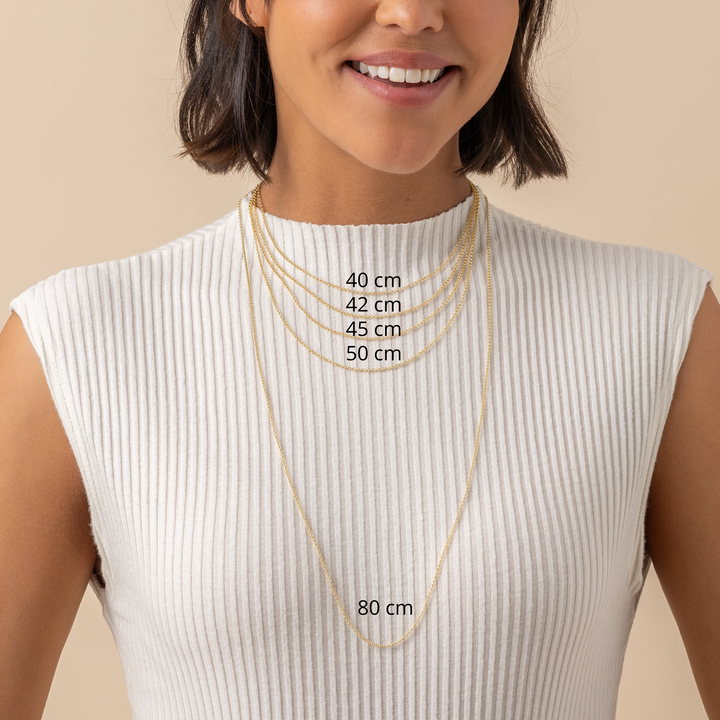
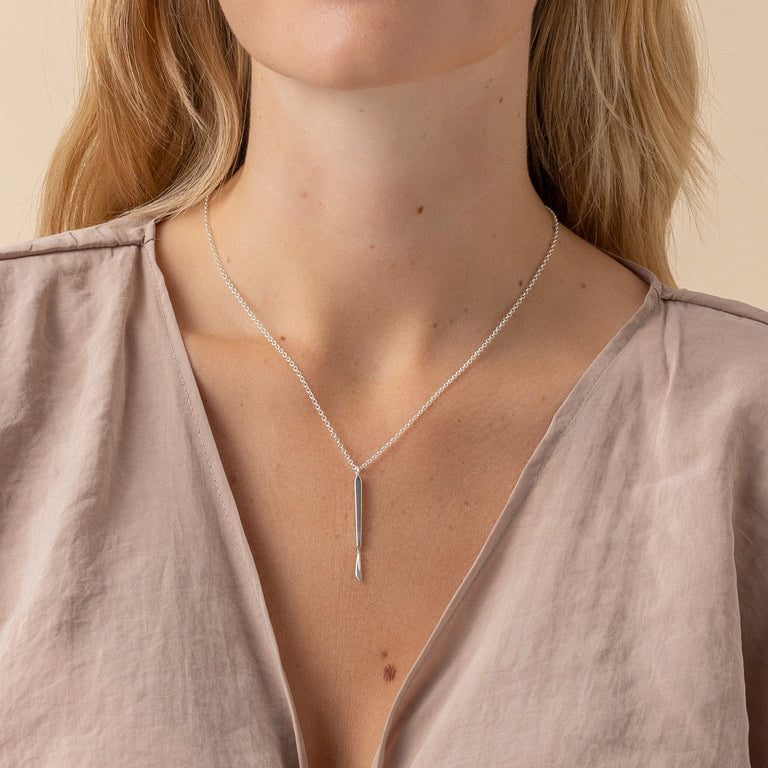
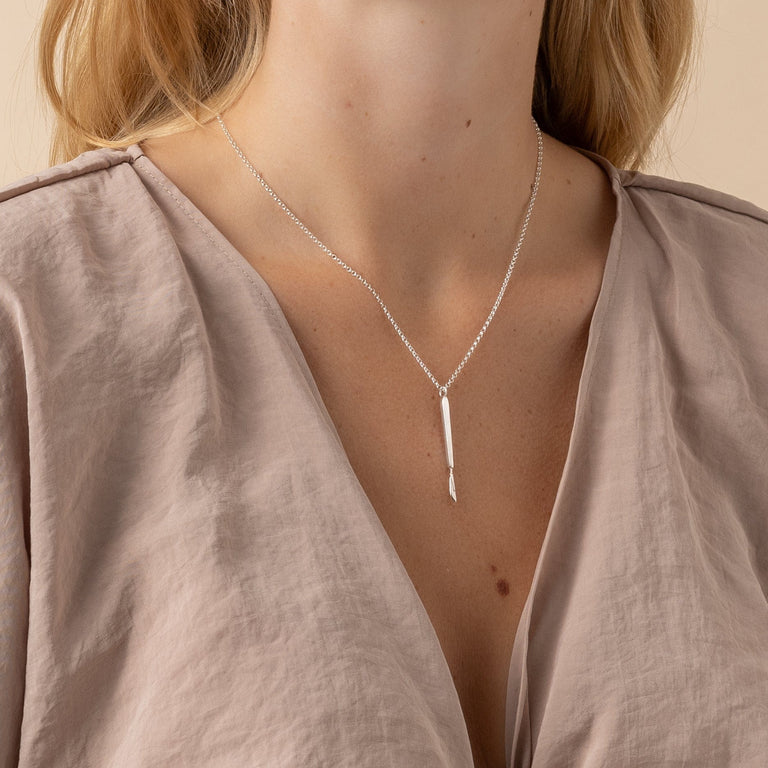
The pendant is 42 mm long (about 1.7 inches) and slim, a little shorter than an AA battery. It hangs from a small loop at the top, blade pointing down, on a 45 cm (17.7 inch) sterling silver chain with a 5 cm (2 inch) extender. Extra chains of 40, 42, 45 or 50 cm with extender, or 80 cm without, can be added in silver or gold vermeil. It is 925 sterling silver, nickel-free and hypoallergenic.
Is there a gold version, or matching earrings?
Yes. The same 42 mm pendant comes in 18K gold vermeil. Choose the finish she already wears: the design is the same in both. For a set, the scalpel earrings, in sterling silver or 18K gold vermeil, measure 36 mm each, not counting the hook, and fasten with leverbacks.
How quickly does it arrive, and can it be returned?
DHL Express delivers it free worldwide in 1-5 business days, and we pay the import duties and taxes, so nothing is due at the door. It comes in a ready-to-gift jewelry box and festive envelope. If it isn't right, our 30-day “Love It or Return It” policy applies.
Who invented the modern scalpel?
Morgan Parker, a young American engineer. In 1914 he filed a patent for a knife whose thin blade clips onto a reusable handle, granted in May 1915. Older one-piece surgical knives had to be resharpened, and sterilising them with heat dulled the edge. Parker showed his scalpel at the American College of Surgeons' Clinical Congress in Boston in 1915 and went into business with the medical supplier C. R. Bard. Their two-piece design, a fresh blade on a reusable handle, is still the standard design in operating theatres today.

Medical & Lab tools
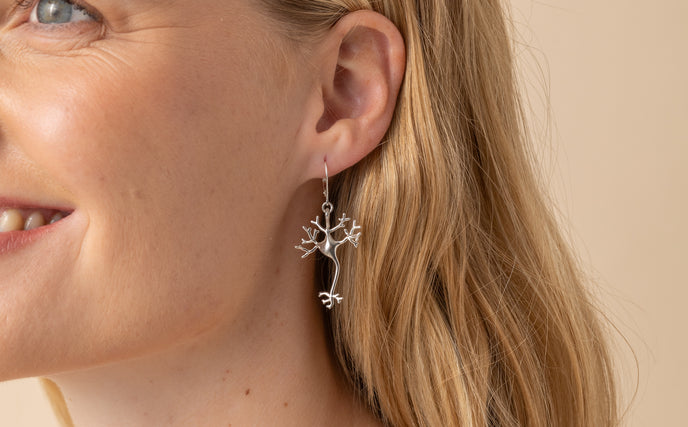
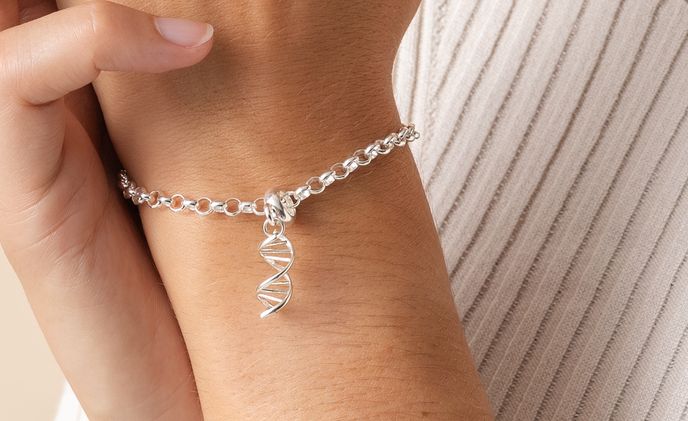
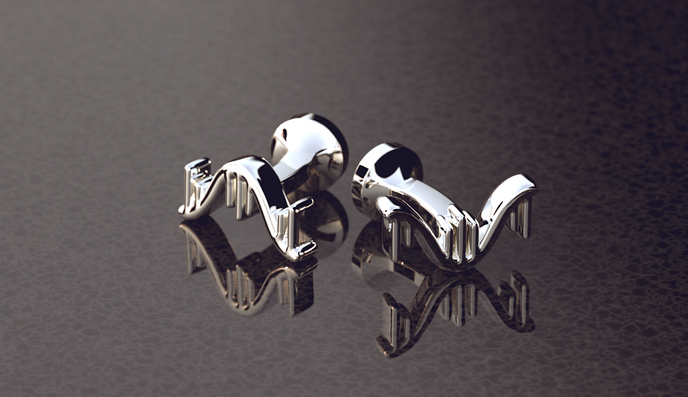
Dive into the captivating world of science-inspired jewelry, where intricate designs meet the essence of medical and laboratory tools. These masterfully crafted pieces act as subtle yet striking tributes to the instruments that have paved the way for scientific discovery. From DNA helices to microscope charms, each piece serves as a conversation starter, a talisman, and a small monument to human ingenuity. They're not just accessories; they're wearable artifacts that tell a story of scientific exploration and advancement.
Find your perfect fit: measure an Existing Ring
Finding out your ring size at home is a simple process and can help you shop for jewelry online with confidence.
Necklace length guide