€ 185


Still questions? Contact us
Scalpel necklace | 18K gold vermeil
This scalpel necklace in 18K gold vermeil is a small piece of the operating theatre she can keep on after the shift ends. Give it to a friend who scrubs in every day or a niece finishing surgical training, or buy it for yourself if gold is what you wear.
Who It's For
- a niece or daughter finishing surgical training
- a friend who works as a scrub nurse or theatre nurse
- a surgeon friend or colleague, as a thank-you
- a partner who works in surgery, for her birthday
- yourself, if gold is what you wear every day
Jasmine S. gave the gold version: “The perfect gift for my niece. She graduated surgical school and she loved the scalpel.” Michelle F., from a review of the silver version: “This necklace is perfection. It is delicate and precisely made, while not being fragile or breakable.”
How a Cut Heals
A surgical cut starts to heal within minutes. Platelets gather at the wound and a clot seals it. Over the next few days, immune cells clear away debris and bacteria. From about the third day, cells called fibroblasts move in and lay down collagen, and new blood vessels grow into the wound over the following weeks. Then comes remodelling, as the collagen is reorganised over many months. Even then, a mature scar regains at most about 80 per cent of the strength of the skin around it.
Explore Related Medical Jewelry
- scalpel necklace | silver
- scalpel earrings | silver
- scalpel earrings | gold vermeil
- stethoscope necklace | gold vermeil
- rod of Asclepius necklace | gold vermeil
FAQ
How long is the pendant, and how does it hang?
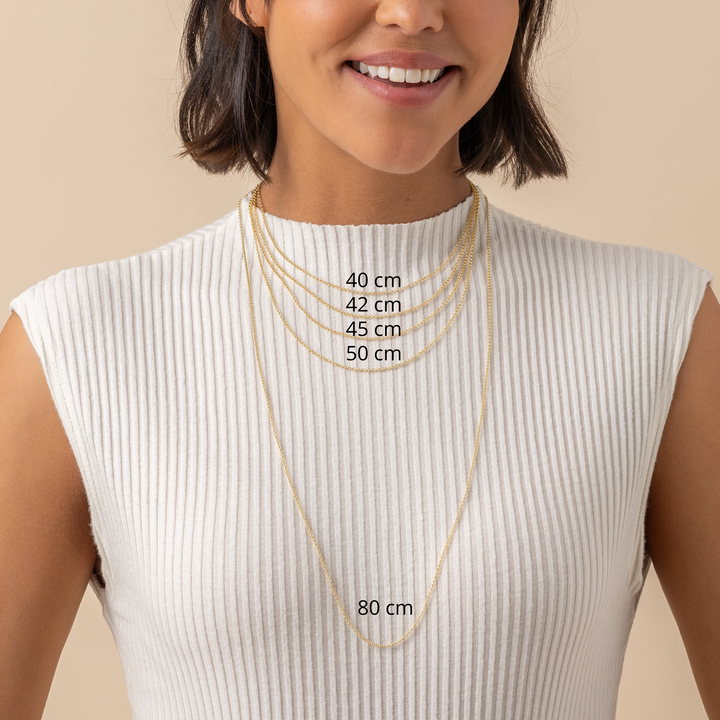
The pendant is slim and 42 mm long (about 1.7 inches), a little shorter than an AA battery. A small loop at the top holds it on the chain, blade pointing down. It comes on a 45 cm (17.7 inch) gold vermeil chain with a 5 cm (2 inch) extender, and extra chains of 40, 42, 45 or 50 cm with extender, or 80 cm, are sold on this page. The finish is 2.5 microns of 18K gold over solid sterling silver.
Is there a silver version, or matching earrings?
Yes. The pendant also comes in sterling silver, at the same 42 mm. Choose the finish the recipient already wears. The design is the same in gold vermeil and silver. The scalpel earrings come in sterling silver and in 18K gold vermeil. They measure 36 mm each, not counting the hook, and fasten with leverbacks.
Will it arrive in time, and what if it isn't right?
It ships free worldwide with DHL Express and arrives in 1-5 business days. We pay the import duties and taxes, so there is nothing to pay on delivery. It comes in a ready-to-gift jewelry box and festive envelope. If it isn't right, our 30-day “Love It or Return It” policy applies.
How did Lister's antiseptic method begin?
In Glasgow, in 1865. On 12 August an 11-year-old boy, James Greenlees, was brought to the Royal Infirmary after a cart ran over his leg and broke the bone through the skin. Wounds like his often turned septic and could cost a limb or a life. Joseph Lister, Glasgow's professor of surgery, inspired by Louis Pasteur's work on germs, had lint soaked in carbolic acid laid on the wound. Six weeks later the bone had knit and the wound had healed. Lister published his method in The Lancet in 1867.

Medical & Lab tools
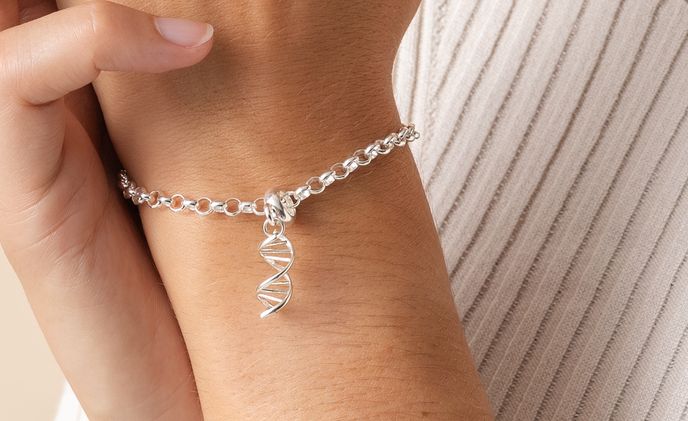
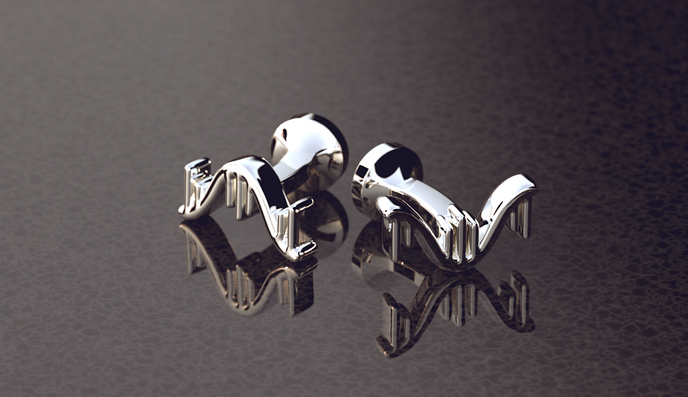
Dive into the captivating world of science-inspired jewelry, where intricate designs meet the essence of medical and laboratory tools. These masterfully crafted pieces act as subtle yet striking tributes to the instruments that have paved the way for scientific discovery. From DNA helices to microscope charms, each piece serves as a conversation starter, a talisman, and a small monument to human ingenuity. They're not just accessories; they're wearable artifacts that tell a story of scientific exploration and advancement.
Find your perfect fit: measure an Existing Ring
Finding out your ring size at home is a simple process and can help you shop for jewelry online with confidence.
Necklace length guide