
€ 170


Still questions? Contact us
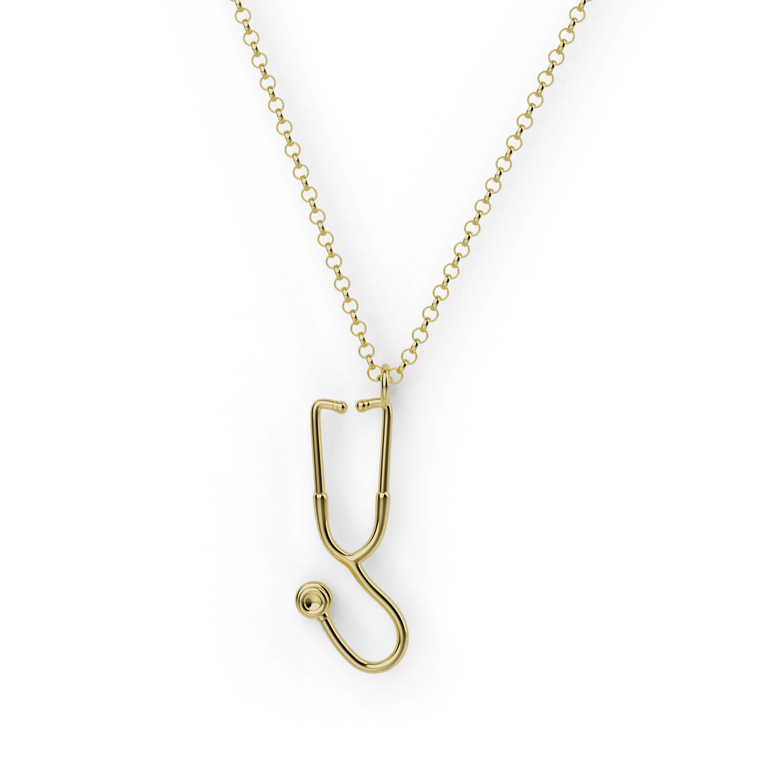
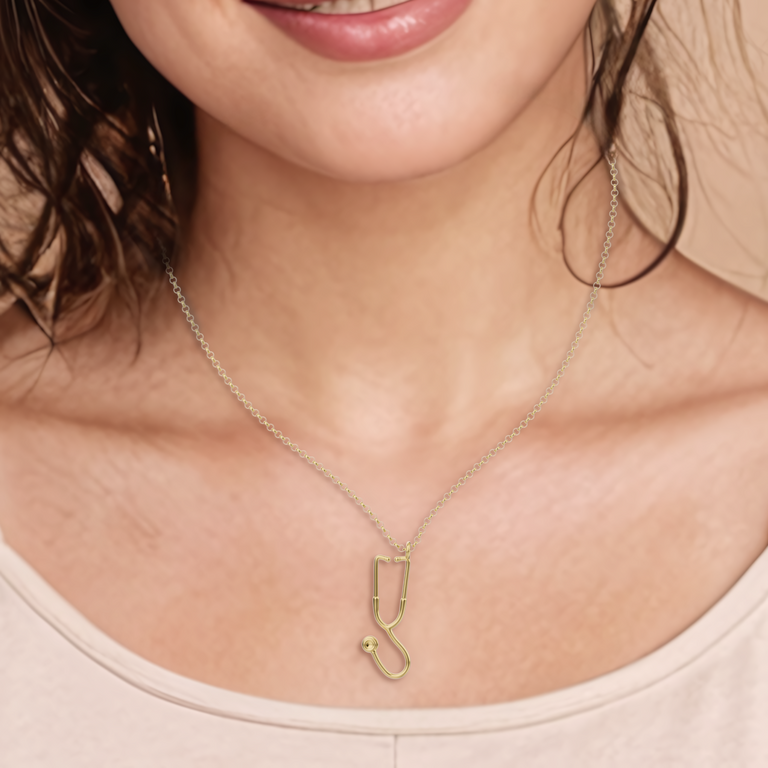
Stethoscope necklace | gold vermeil
The stethoscope is the most photographed instrument in medicine. White-coat ceremonies, graduation portraits, hospital portraits, every cliché of the working clinician. Two centuries on, it has survived imaging, ultrasound, and digital monitoring. Nothing has replaced its role as the first physical instrument applied to most patients.
The Science Behind the Stethoscope
René Laennec invented the stethoscope in Paris in 1816 after rolling a sheet of paper into a tube to listen to a young female patient's heart, uncomfortable about applying his ear directly to her chest. He named the device from the Greek 'stethos' (chest) and 'skopein' (to examine), and published a comprehensive treatise on its diagnostic use in 1819. The modern binaural stethoscope with two earpieces and a flexible tube was developed by George Philip Cammann in New York in 1851. Today's acoustic stethoscopes use a diaphragm for high-frequency sounds and a bell for low-frequency sounds, with electronic models offering digital amplification for telemedicine.
Who Reaches For This
For people who own multiple stethoscopes and have an opinion about which one.
- doctors, medical students, and physicians at any career stage
- nurses, nurse practitioners, and physician assistants
- medical educators and clinical preceptors
- partners, parents, and friends marking a graduation or board certification
Most often given as a medical-school graduation gift, or to mark a board certification or a hospital-leadership transition.
Explore Related Medical Jewelry
- Stethoscope necklace | silver
- Stethoscope studs | silver
- Scalpel necklace | gold vermeil
- Dental mirror necklace | gold vermeil
FAQ
What do you give a doctor who already has everything?
Something specific to the calling, not generic to the profession. The stethoscope necklace is more particular than a pen or a watch. It names the work directly. We see it most often as a medical-school graduation gift, a board-certification marker, or a partner's gift after a difficult residency.
Why is the stethoscope still a universal symbol of medicine?
Because the instrument has not been replaced. Imaging, lab tests, and electronic monitoring exist in parallel, but the stethoscope remains the first physical instrument applied to most patients during most clinical encounters. The symbol carries the same weight as the work it does.
What about size, material, and chain?
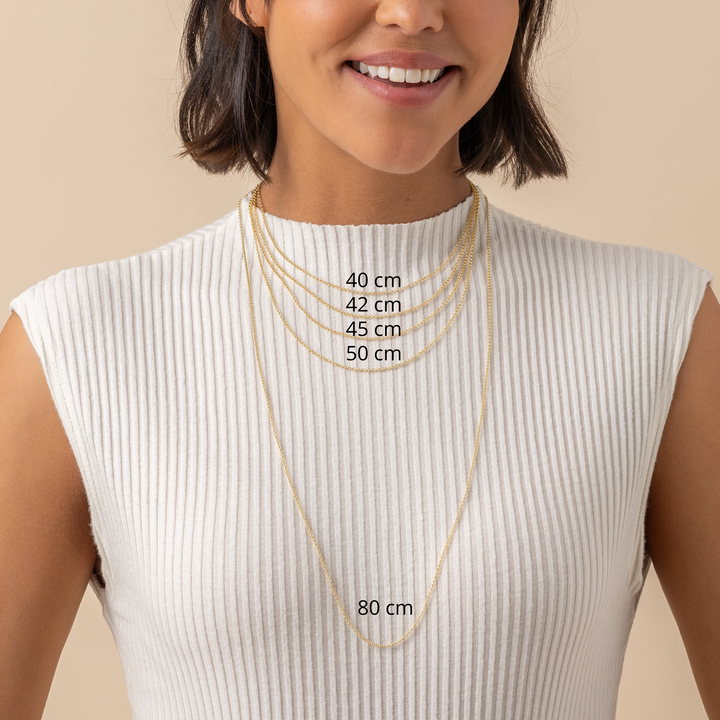
33 mm pendant in 18K gold vermeil (sterling silver core, 2.5 micron gold plating), nickel-free. 45 cm gold vermeil chain with a 5 cm extender. Free DHL Express anywhere in the world, 1-5 business days, all duties and taxes covered. 30-day “Love It or Return It” policy if it does not fit how you wear gold.
How does the gold compare to the silver stethoscope necklace?
Same design, same 33 mm size. Sterling silver core with 2.5 micron 18K gold plating versus solid 925 sterling silver. Choose the finish the recipient already wears. Both versions carry the same design and the same meaning.

Medical & Lab tools
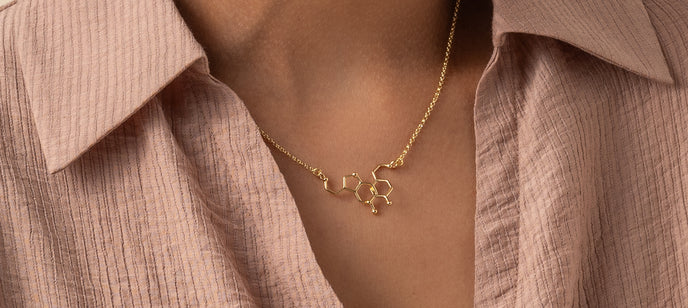
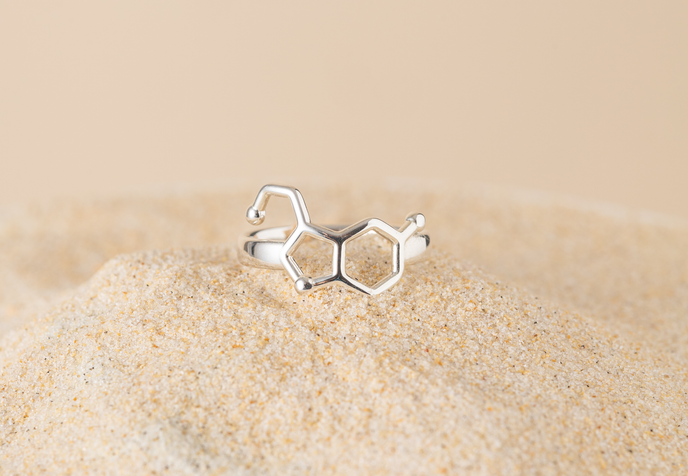
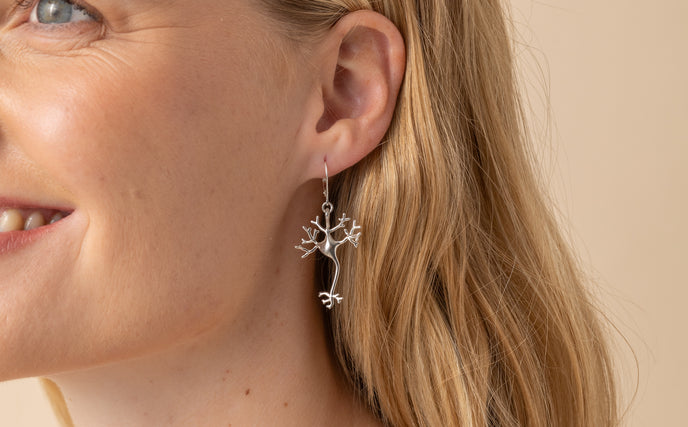
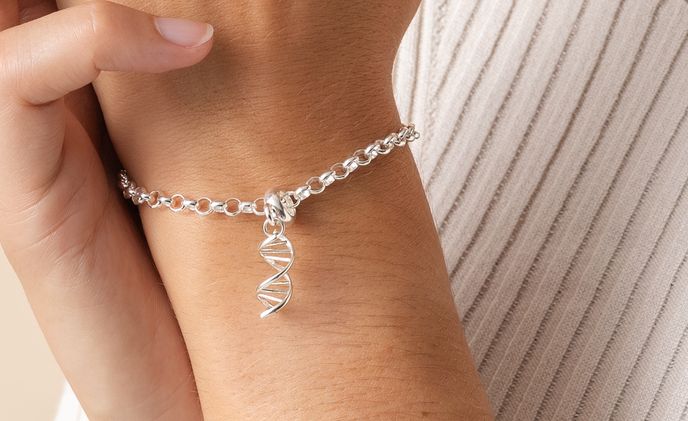
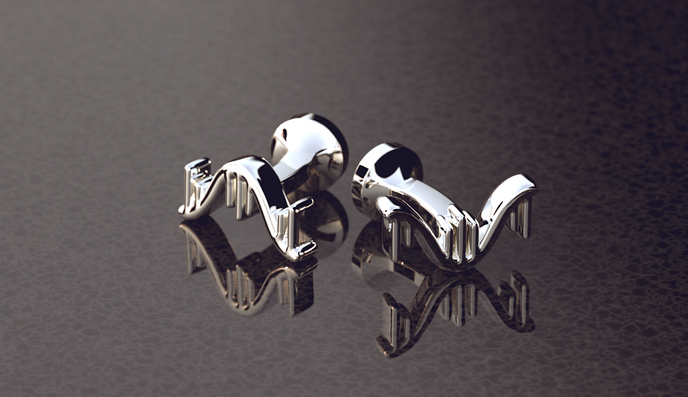
Dive into the captivating world of science-inspired jewelry, where intricate designs meet the essence of medical and laboratory tools. These masterfully crafted pieces act as subtle yet striking tributes to the instruments that have paved the way for scientific discovery. From DNA helices to microscope charms, each piece serves as a conversation starter, a talisman, and a small monument to human ingenuity. They're not just accessories; they're wearable artifacts that tell a story of scientific exploration and advancement.
Find your perfect fit: measure an Existing Ring
Finding out your ring size at home is a simple process and can help you shop for jewelry online with confidence.
Necklace length guide