€ 155


Still questions? Contact us
arsenic trioxide necklace | sterling silver
Arsenic was a poison for centuries before anyone found a use for it. Then, in the 1990s, Chinese hematologists discovered it could cure acute promyelocytic leukemia at controlled doses, achieving remission rates above 90 percent. The difference between poison and medicine was always just the dose.
The Science Behind Arsenic Trioxide
Arsenic trioxide (As2O3) acts against acute promyelocytic leukemia (APL) through a targeted mechanism. APL is driven by a chromosomal translocation producing the PML-RARA fusion protein, which blocks differentiation. Arsenic trioxide degrades this fusion protein by targeting the PML component, triggering proteasomal degradation and relieving the differentiation block. Leukemic cells mature and die as a result. Physicians at Harbin Medical University, led by Zhang Tingdong, conducted the clinical work that established its efficacy. Combined with all-trans retinoic acid (ATRA), arsenic trioxide remains one of the highest-cure-rate therapies in oncology and an early landmark of molecularly targeted cancer treatment.
The Audience
- hematologists and oncologists
- cancer biology and leukemia researchers
- clinical pharmacologists and toxicologists
- anyone drawn to therapeutic paradox
A piece grounded in the most improbable therapeutic arc in modern medicine.
Explore Related Molecules Jewelry
- Doxorubicin necklace | silver
- Methotrexate necklace | silver
- Cyclosporine necklace | silver
- Fluorouracil necklace | silver
FAQ
How can a historical poison become a lifesaving medicine?
Arsenic trioxide at precisely controlled clinical doses triggers apoptosis in acute promyelocytic leukemia cells. It was approved by the FDA in 2000 and transformed APL survival from dismal to above 90 percent. The therapeutic window exists because cancer cells' molecular dependence on PML-RARA makes them far more vulnerable to arsenic's effects than normal cells.
Who would wear this seriously?
Oncologists and hematologists treating acute promyelocytic leukemia, biochemistry and toxicology students, cancer researchers, and anyone interested in the history of targeted therapy. It is also valued by clinicians as a symbol of how molecular understanding can overturn conventional toxicology.
What are the material, size, and chain?
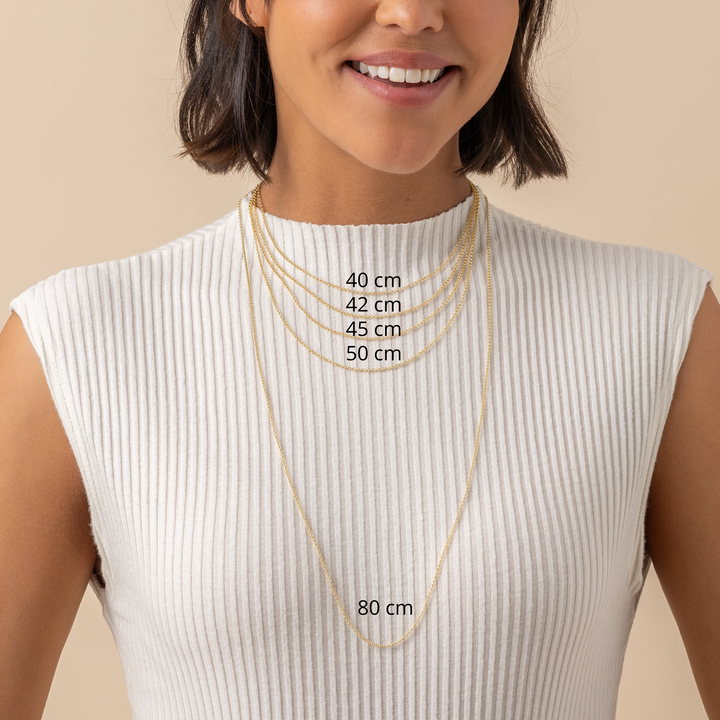
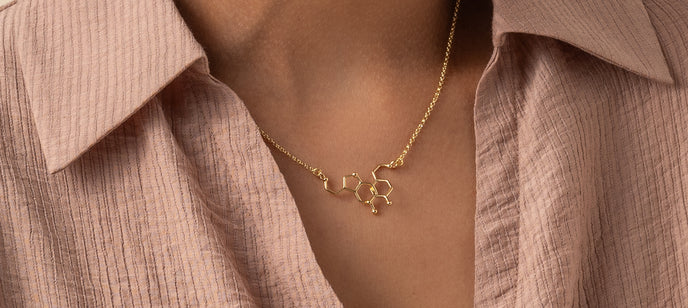
22 mm sterling silver pendant on a 45 cm sterling silver chain with 5 cm extender. 925 polished sterling silver, nickel-free and hypoallergenic. Ships free worldwide via DHL Express in 1-5 business days. Comes in a ready-to-gift jewelry box with the 30-day “Love It or Return It” policy.
Is this available in other materials?
Currently available in sterling silver. Contact us if you are interested in other material options.
Molecules
Delve into the hidden elegance of science with our meticulously crafted jewelry, inspired by the intricate structures of chemical molecules. Each piece serves as a tactile tribute to the building blocks of life and matter, capturing the allure of atoms and bonds in precious metals. A harmonious fusion of art and science, these creations are more than mere accessories; they're a celebration of the enigmatic beauty that underpins our universe.
Find your perfect fit: measure an Existing Ring
Finding out your ring size at home is a simple process and can help you shop for jewelry online with confidence.
Necklace length guide