€ 150


Still questions? Contact us
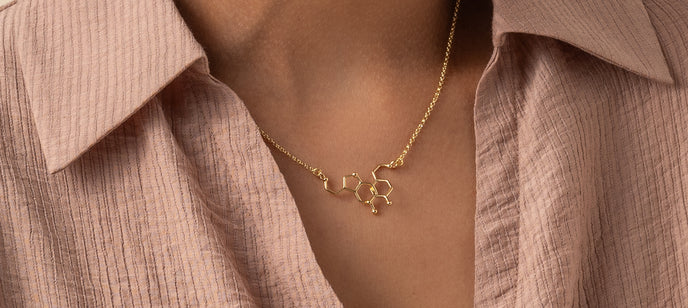
Orexin necklace | sterling silver
If you have spent enough time on the lateral hypothalamus to know that orexin neurons project everywhere from the locus coeruleus to the arcuate nucleus, and that their loss explains narcolepsy type 1 better than any other neuropeptide story, you already recognise what this is. The molecule that decides whether the brain stays awake.
The Science of Orexin
Orexin (also called hypocretin) is a neuropeptide produced by a small population of neurons in the lateral hypothalamus, discovered independently by two groups in 1998. There are two forms (orexin A and B) and two receptors (OX1R and OX2R). Despite the small number of neurons (~70,000 in humans) the projections reach almost every wake-promoting nucleus in the brain: the locus coeruleus for noradrenergic tone, the dorsal raphe for serotonergic tone, the tuberomammillary nucleus for histamine, and the basal forebrain for cholinergic activation. Loss of orexin neurons (now understood as autoimmune in most cases) causes narcolepsy type 1, with cataplexy. Pharmacology has followed the biology: dual orexin receptor antagonists (DORAs) like suvorexant, lemborexant, and daridorexant are the first new mechanism of insomnia treatment in two decades, and orexin agonists are now in clinical trials for narcolepsy itself.
Who Tends to Wear This
The audience clusters around sleep medicine and arousal-system neuroscience:
- sleep medicine specialists treating narcolepsy and chronic insomnia
- neurologists and pulmonologists running sleep clinics
- neuroscientists studying arousal, reward, or feeding circuits
- psychiatrists prescribing DORAs for treatment-resistant insomnia
- pharmacologists working on hypocretin receptor pharmacology
Most often picked by partners or family members marking a fellowship in sleep medicine, a doctorate in arousal-system neuroscience, or the publication of a paper on orexin pharmacology.
Explore Related Cellular Biology Jewelry
- Dopamine necklace | silver
- Melatonin necklace | silver
- Serotonin necklace | silver
- Molecules collection
FAQ
Why does a small population of neurons matter so much for sleep?
Because it is the master switch for wakefulness. Roughly 70,000 orexin neurons in the lateral hypothalamus project to almost every wake-promoting system in the brain: noradrenergic, serotonergic, histaminergic, cholinergic. When orexin firing is high the brain stays awake and alert. When it drops, the wake-promoting systems lose their orchestration and the brain transitions into sleep. Selective loss of these neurons (now known to be autoimmune in most cases of narcolepsy type 1) removes the switch entirely, which is why narcolepsy with cataplexy is one of the most stereotyped neurological syndromes in medicine.
How do DORAs differ from older insomnia drugs?
Mechanism. Benzodiazepines and Z-drugs (zolpidem, zopiclone) work by enhancing GABA-A inhibition across the brain, which reduces arousal but also produces sedation, motor impairment, memory effects, and tolerance with chronic use. Dual orexin receptor antagonists (suvorexant, lemborexant, daridorexant) block OX1R and OX2R, removing the wake signal rather than adding a sleep signal. The result is sleep that more closely resembles natural sleep architecture, with less morning grogginess and a different side-effect profile. The mechanistic advance is one reason DORAs have moved into first-line management of chronic insomnia in several international guidelines.
What is the size, material, and chain?
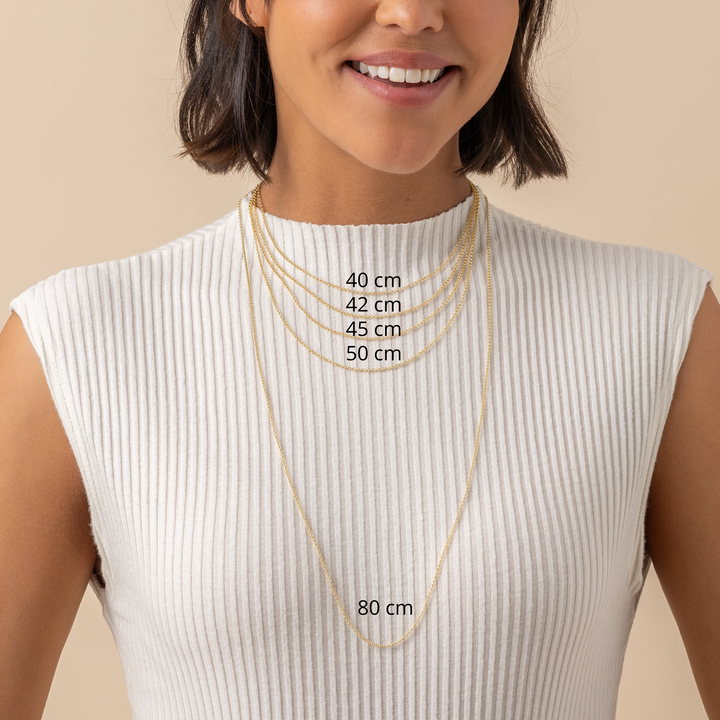
27 mm pendant in 925 sterling silver, nickel-free. 45 cm sterling silver chain with a 5 cm extender. Ships free worldwide via DHL Express in 1-5 business days, with all import duties prepaid. Comes in a ready-to-gift jewelry box with the 30-day “Love It or Return It” policy.
Is there a gold version?
Not currently. The orexin pendant is silver only. The catalog has gold versions of several other neurotransmitter and neuropeptide pieces (dopamine, serotonin, melatonin) but orexin is single-material for now.
Cellular Biology
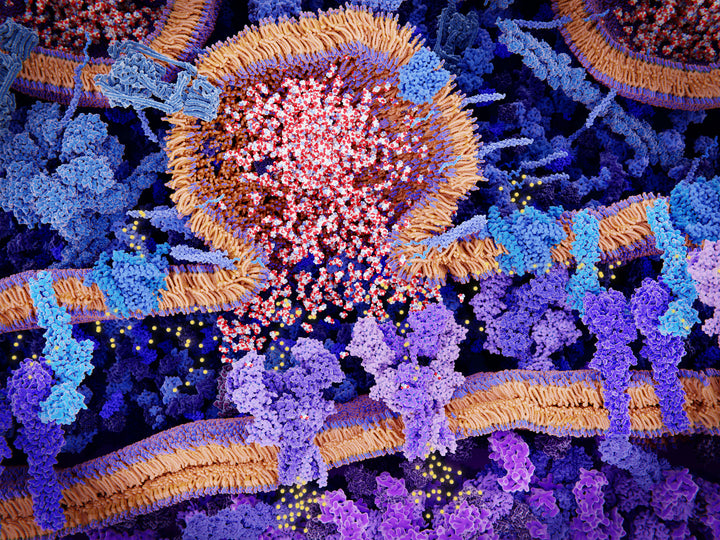
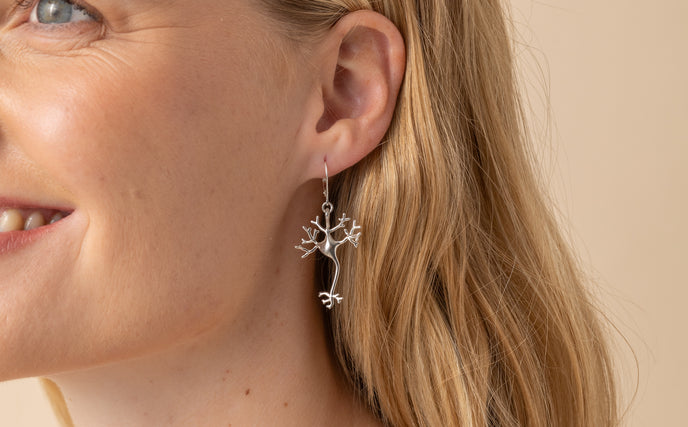
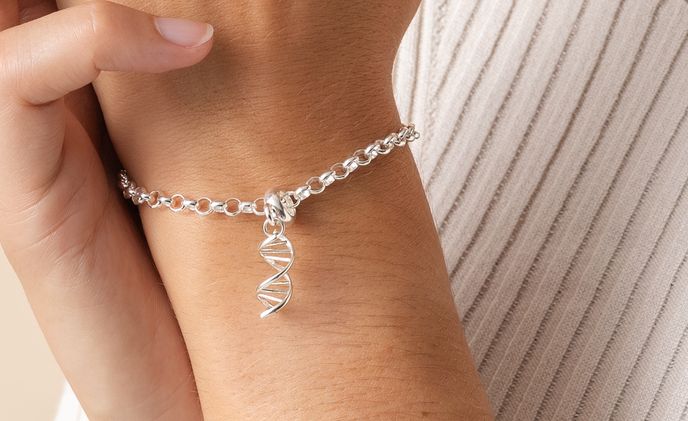
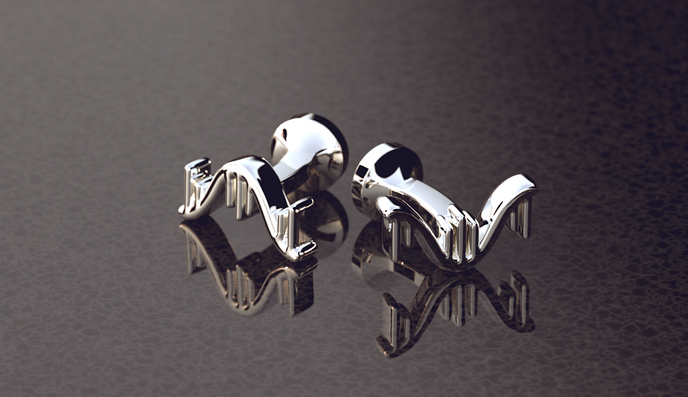
Step into the fascinating world of cellular biology through our unique jewelry designs. These pieces serve as wearable reflections of life's microscopic wonders, capturing the aesthetics of DNA strands, cellular formations, and more. Far from simple adornments, they spark dialogue and honor the captivating complexities found within biological research. Merging scientific accuracy with artistic flair, each creation offers a tactile experience that bridges the gap between scientific inquiry and aesthetic appreciation.
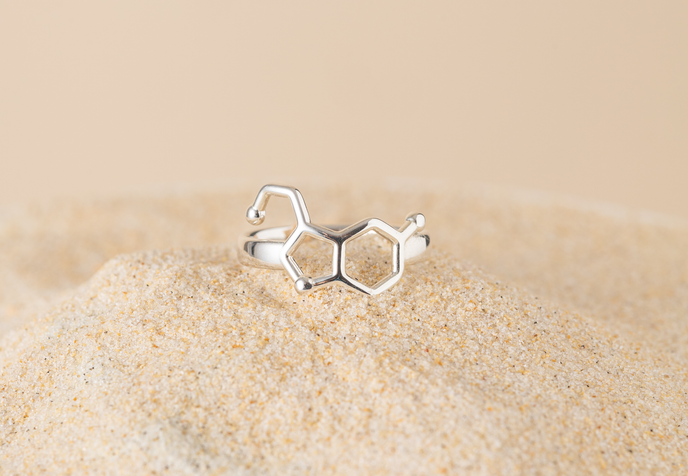
Find your perfect fit: measure an Existing Ring
Finding out your ring size at home is a simple process and can help you shop for jewelry online with confidence.
Necklace length guide