€ 200


Still questions? Contact us
Larynx necklace | sterling silver
The larynx sits at a junction in the body where the airway and the digestive tract cross paths. Solving that crossover problem evolutionarily took a complex piece of anatomy that does two jobs: keep food out of the lungs, and modulate sound. Speech is a side effect of an airway-protection problem solved well.
The Anatomy of the Larynx
The larynx is composed of nine cartilages: the thyroid cartilage (the laryngeal prominence visible at the front of the neck), the cricoid cartilage (the only complete cartilaginous ring in the airway), the epiglottis (which folds back to seal the trachea during swallowing), and paired arytenoid, corniculate, and cuneiform cartilages. The vocal folds stretch between the arytenoid cartilages and the thyroid cartilage. Their vibration produces sound, with pitch controlled primarily by the cricothyroid muscle. The recurrent laryngeal nerve innervates all intrinsic laryngeal muscles except the cricothyroid. Damage to this nerve during thyroid surgery, aortic arch surgery, or from a Pancoast tumour causes unilateral vocal cord palsy and hoarseness.
The Audience
The audience is mostly clinical and partly performative.
- ENT surgeons and head-and-neck oncologists
- anaesthetists who manage the airway daily
- speech and language therapists working with voice and swallowing disorders
- voice scientists and singers who think analytically about phonation
Most often given to an ENT specialist or to a speech therapist whose work touches phonation every day.
Explore Related Human Anatomy Jewelry
- Thyroid necklace | silver
- Inner ear anatomy necklace | silver
- Hyoid bone necklace | silver
- Spine necklace | silver
FAQ
Is this a fitting gift for an ENT surgeon?
Yes. The larynx sits at the centre of head-and-neck surgery, voice surgery, and airway management. Among anatomical pendants, it has high recognition for ENT surgeons, anaesthetists, and speech therapists. We see it as a finishing-fellowship present and as a quiet professional marker.
What is the most surgically dangerous structure here?
The recurrent laryngeal nerve. It loops under the aortic arch on the left and under the right subclavian artery on the right, then runs back up to innervate the larynx. It is the most commonly injured nerve in thyroid surgery, and damage leaves the patient with a hoarse, breathy voice.
What about size, material, and chain?
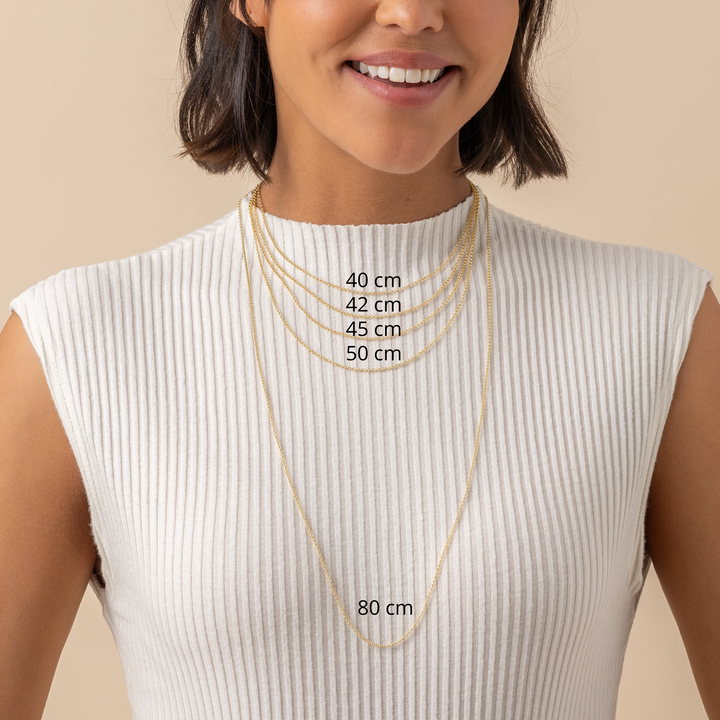
21 mm pendant in 925 polished sterling silver, nickel-free. 45 cm sterling silver chain with a 5 cm extender. Free worldwide DHL Express, 1-5 business days, duties and taxes covered. 30-day “Love It or Return It” policy.
Are there related anatomy pendants in the catalog?
Yes. The thyroid necklace sits adjacent to the larynx in the same anatomical region. The hyoid bone necklace covers the small bone above the larynx. The inner-ear-anatomy and spine pendants cover other anatomy used in head-and-neck and surgical training.

Human Anatomy
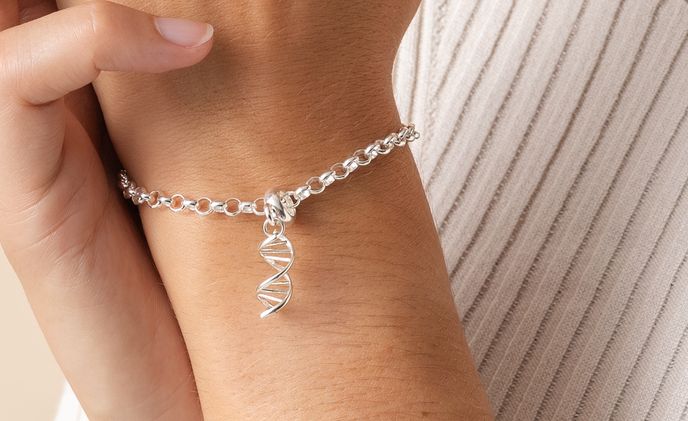
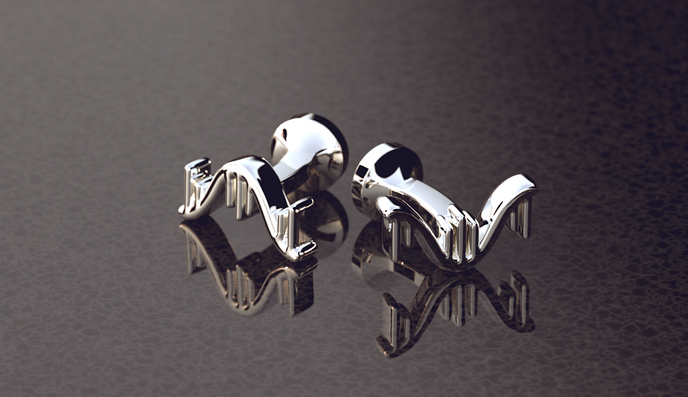
Anatomical wonders have never been so elegantly articulated. Our anatomical collection embodies the intricate and awe-inspiring structures that make us who we are. From DNA double helices to neuronal networks, our pieces don't merely imitate—they interpret. The collection serves as a tangible tribute to the hidden beauty within us all, elevating the realms of biology and medicine into wearable art. With exquisite attention to detail, each piece is a dialogue between form and function, revealing the enigmatic eloquence of the human body.
Find your perfect fit: measure an Existing Ring
Finding out your ring size at home is a simple process and can help you shop for jewelry online with confidence.
Necklace length guide