
€ 155


Still questions? Contact us
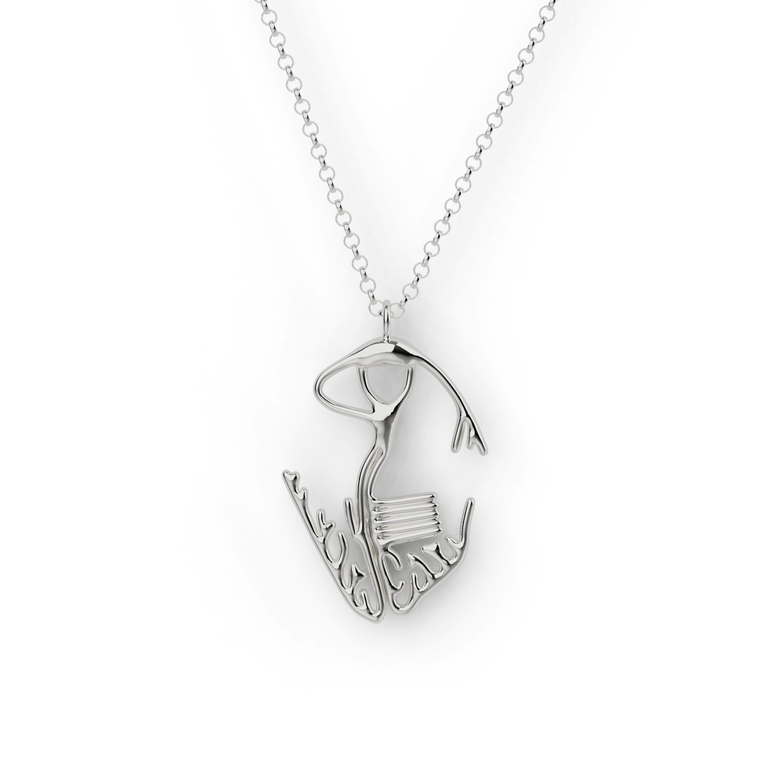
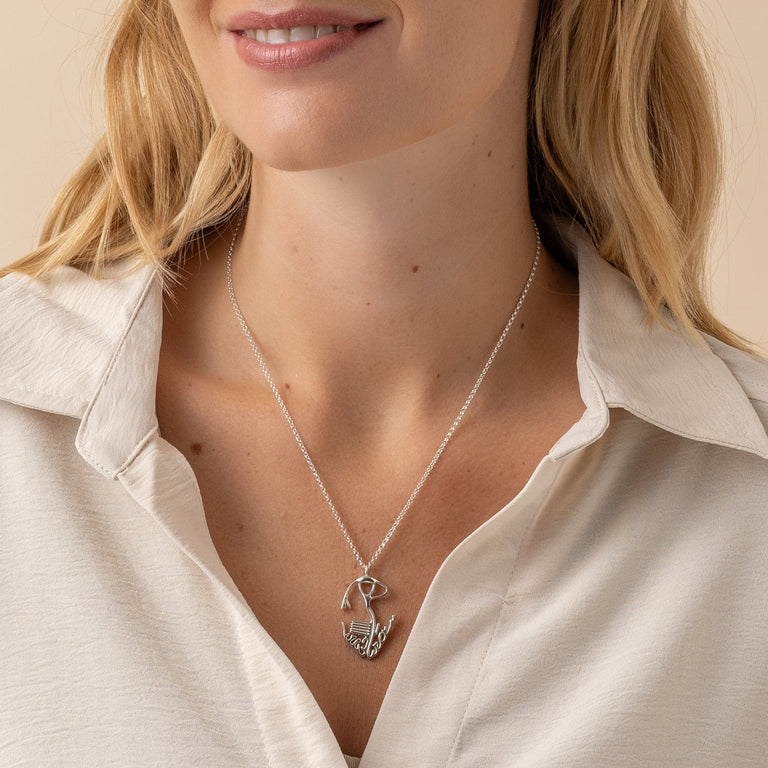
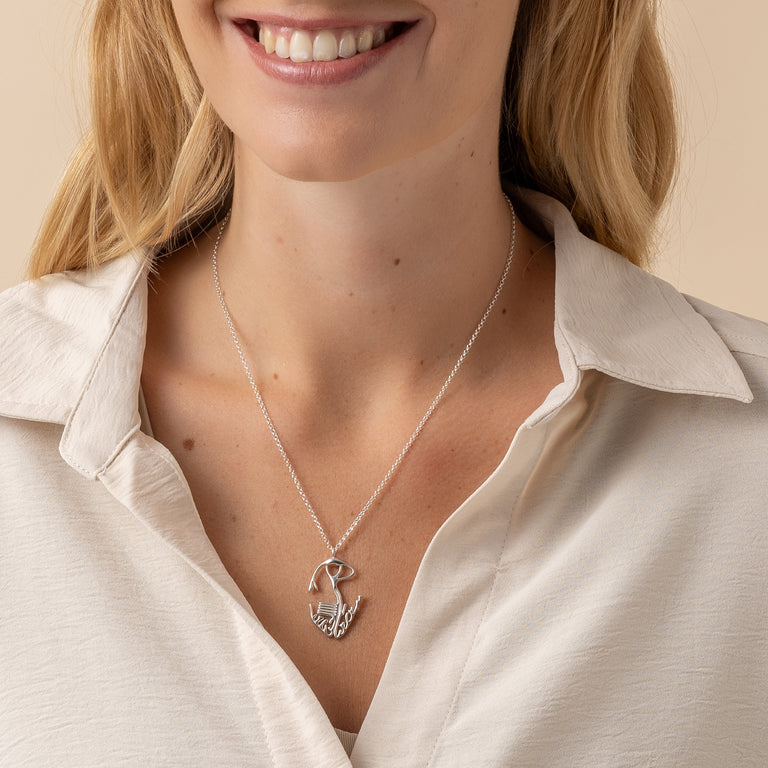
Cardiac conduction system necklace | sterling silver
The heart runs on its own wiring, and some women spend their working lives keeping track of it. A cardiac conduction system necklace is a gift for one of them from the people who are proud of her, or one she buys herself to wear on shift.
Who It's For
- a daughter who works as a nurse in the EP lab
- a girlfriend who works or trains in cardiology, for Valentine's Day
- a cousin graduating in medicine, or a granddaughter on her way to becoming a nurse
- a friend who has finished her residency
- the cardiologist your team works for, as a gift from all of you
- yourself, to wear with your scrubs in the cath lab or on a cardiac unit
Emily m. gave it to a friend: “It’s a really beautiful piece and she was blown away.” Lauren B. wears hers: “I absolutely love this necklace. It is well constructed, delicate and feminine. I work as an ER nurse and have gotten lots of compliments on it.”
How the Conduction System Works
A layer of fibrous tissue separates the upper chambers of the heart from the lower ones, and the electrical signal cannot cross it. Normally there is one way through: the atrioventricular node, which leads into the bundle of His. That gateway is slow, and the delay matters. The signal crawls through the node at about 5 centimetres a second, which gives the atria time to finish contracting before the ventricles squeeze. Past the node, the bundle branches and the Purkinje fibres carry it at around 2 to 4 metres a second, dozens of times faster, so both ventricles contract together.
Explore Related Cardiology Jewelry
- cardiac conduction system necklace | gold vermeil
- anatomical heart necklace | silver
- heartbeat necklace | silver
- heart section necklace | silver
FAQ
How big is it, and how does it sit?
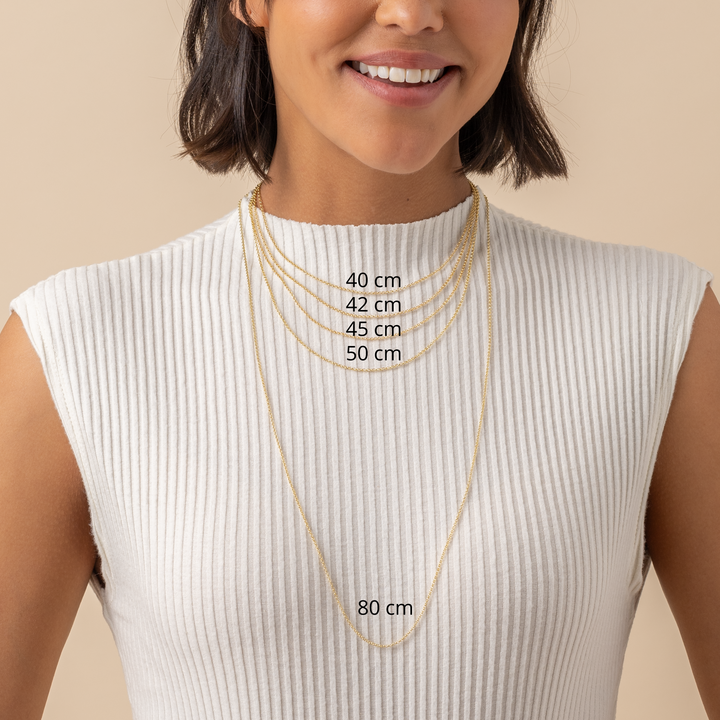
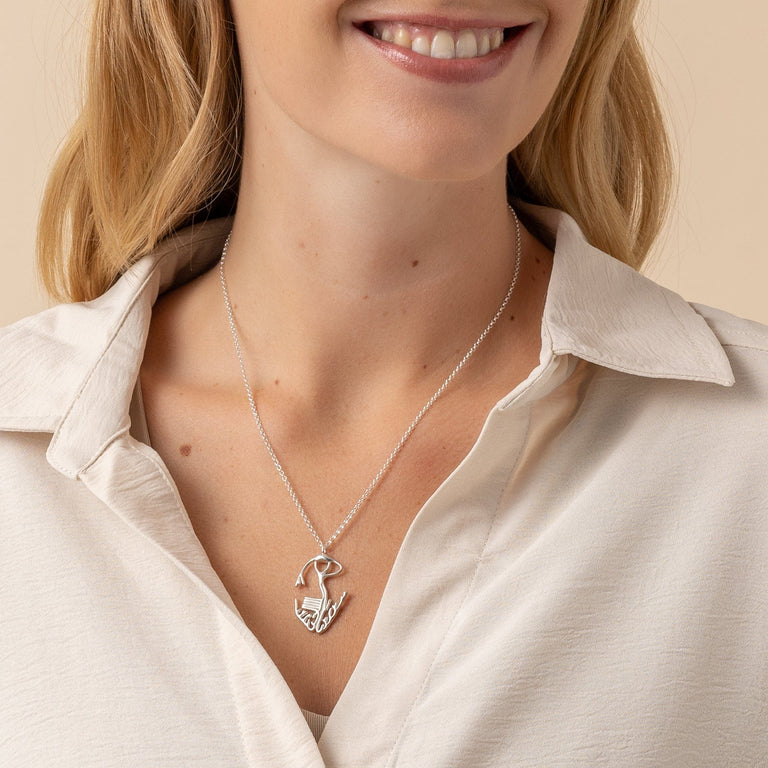
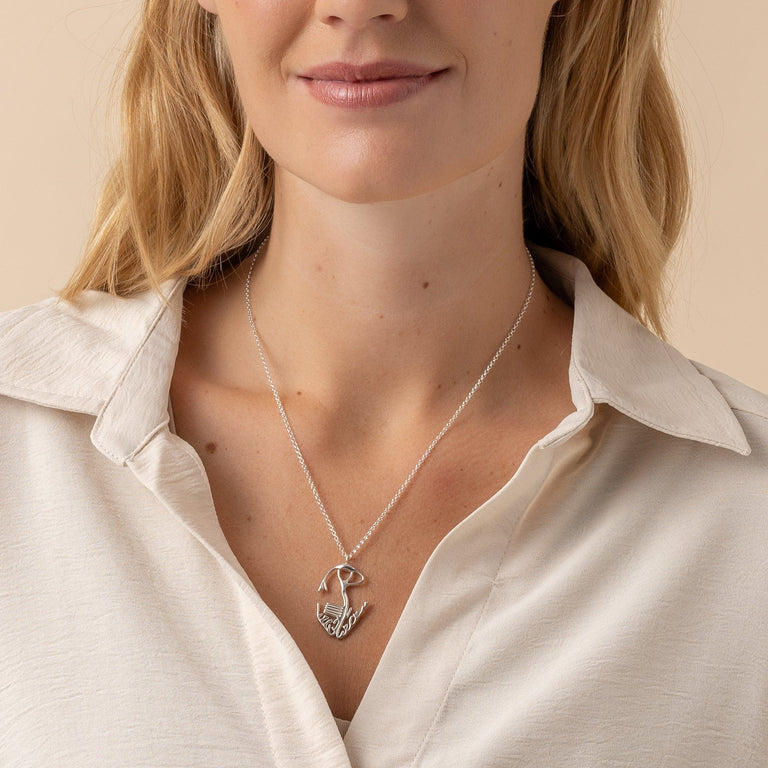
The pendant measures 35 mm (about 1.4 inches), about 9 mm more than the width of a 2-euro coin, so it is a piece you notice rather than a small charm. It hangs from a loop on a 45 cm (17.7 inch) sterling silver chain with a 5 cm (2 inch) extender, and sits on the upper chest. Extra chains in 40, 42, 45 and 50 cm (each with a 5 cm extender) and 80 cm can be added on this page. Our 925 sterling silver is nickel-free and hypoallergenic.
Does it come in gold?
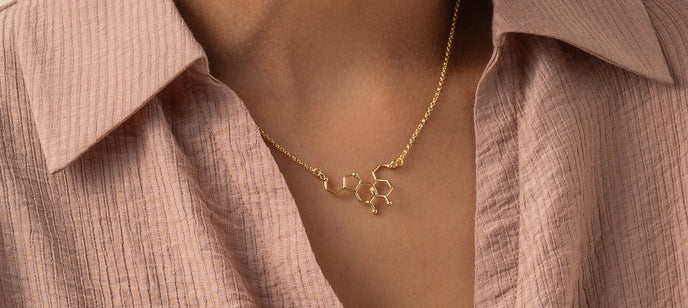
Yes. The same cardiac conduction system necklace comes in 18K gold vermeil, also 35 mm, on a gold vermeil chain of the same length. Gold vermeil is 2.5 microns of 18K gold over solid sterling silver. Choose the finish the recipient already wears: the design is the same in both.
Will it arrive in time, and what if it isn't right?
DHL Express delivers free in 1-5 business days worldwide, and we pay the import duties and taxes, so nothing is due at the door. It arrives in a ready-to-gift jewelry box and festive envelope. If it isn't right, our 30-day “Love It or Return It” policy applies.
Who worked out how the heart's conduction system is wired?
Sunao Tawara, a Japanese doctor in Ludwig Aschoff's pathology lab in Marburg. After three years at the microscope he found a node at the base of the wall between the atria and, in 1906, published it with the bundle of His, its two branches and the Purkinje fibres as one connected pathway. That January in London, the anatomist Arthur Keith had given up looking for the bundle. Guided by an article on Tawara's work, he confirmed it, and wrote: “I must be a duffer not to have seen it before.”

Human Anatomy
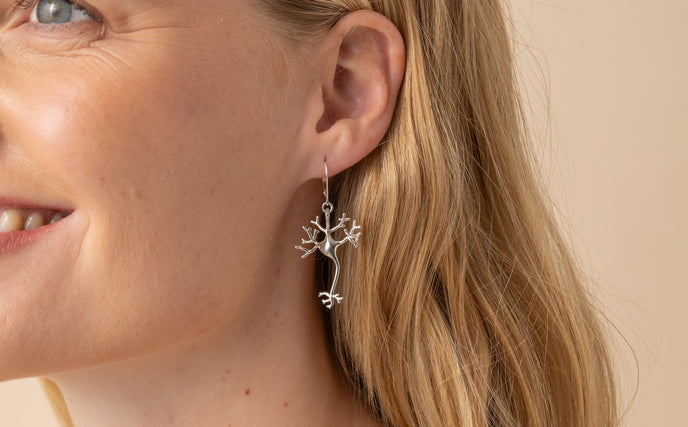
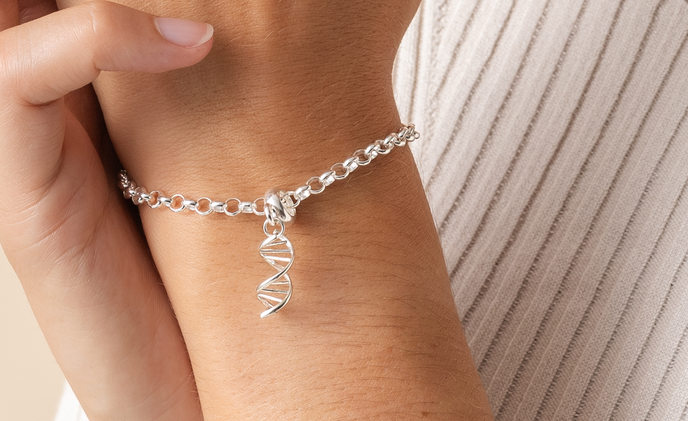
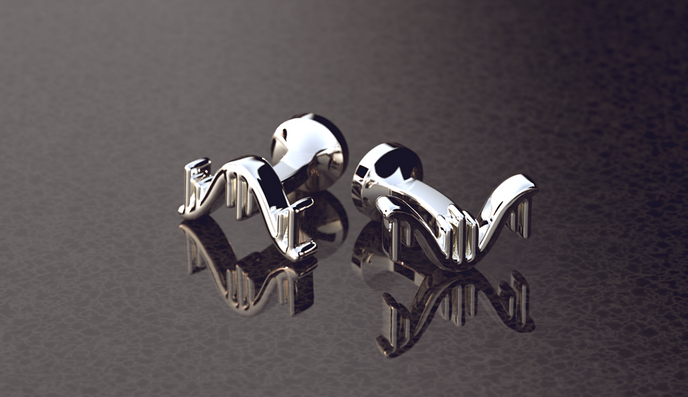
Anatomical wonders have never been so elegantly articulated. Our anatomical collection embodies the intricate and awe-inspiring structures that make us who we are. From DNA double helices to neuronal networks, our pieces don't merely imitate—they interpret. The collection serves as a tangible tribute to the hidden beauty within us all, elevating the realms of biology and medicine into wearable art. With exquisite attention to detail, each piece is a dialogue between form and function, revealing the enigmatic eloquence of the human body.
Find your perfect fit: measure an Existing Ring
Finding out your ring size at home is a simple process and can help you shop for jewelry online with confidence.
Necklace length guide