€ 160


Still questions? Contact us
Adrenaline studs | sterling silver
Adrenaline (epinephrine) is the catecholamine that runs the fight-or-flight response: heart rate up, bronchi open, pupils dilate, glycogen breakdown accelerates. The same molecule sits in every emergency drug box on Earth as the first-line treatment for anaphylaxis and cardiac arrest.
The Chemistry of Adrenaline
Adrenaline is synthesised in the adrenal medulla from tyrosine via dopamine and noradrenaline, with the final step (N-methylation of noradrenaline by phenylethanolamine N-methyltransferase) requiring cortisol from the adjacent adrenal cortex. The catechol ring with its two hydroxyl groups gives the molecule its name and its rapid metabolism: catechol-O-methyltransferase and monoamine oxidase clear it from circulation within minutes, which is why intramuscular injections take effect quickly and wear off quickly. Adrenaline acts on alpha-1, alpha-2, beta-1, beta-2, and beta-3 receptors with different affinities, and the clinical effect depends on which receptor population dominates in a given tissue. Cardiac arrest protocols, anaphylaxis treatment, septic shock management, and asthma rescue inhalers all trace back to one of these receptor interactions.
A Daily Reminder For
The audience is the clinical and research core that works with this molecule daily:
- emergency physicians and paramedics
- anaesthetists managing perioperative haemodynamics
- endocrinologists working on adrenal disease
- allergists and immunologists managing anaphylaxis
- neuroscientists and pharmacologists studying catecholamines
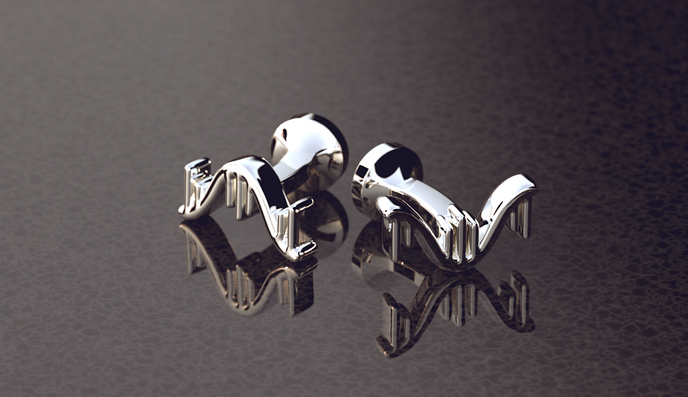
The studs are the smallest format in the catecholamine range, picked when the molecule should be on the body but not the focal point. Most often the daily-wear option for clinicians who keep jewelry minimal at work.
Explore Related Molecules Jewelry
- Adrenaline necklace | silver
- Dopamine necklace | silver
- Noradrenaline necklace | silver
- Molecules collection
FAQ
Why studs rather than a necklace for adrenaline?
Format. The studs sit flush against the lobe, stay clear of stethoscopes and PPE, and stay visible during a procedure or shift when a pendant tucks away. For someone in emergency medicine or anaesthesia who needs to keep jewelry minimal, the studs are the version that stays on. The full necklace exists for non-clinical contexts.
Why is adrenaline still the first drug in cardiac arrest protocols?
Because it works through several mechanisms at once. Alpha-1 vasoconstriction increases coronary and cerebral perfusion pressure during chest compressions. Beta-1 effects on the myocardium, when the heart resumes a rhythm, support contractility. The half-life is short enough that the dose can be repeated every few minutes without accumulation. No other drug in the resuscitation algorithm hits this combination, which is why advanced cardiac life support (ACLS) keeps adrenaline at the top of the protocol despite ongoing debate about long-term outcomes.
What is the size, material, and hardware?
20 mm studs in 925 sterling silver, nickel-free. Ear nuts with sterling silver core. Ships free worldwide via DHL Express in 1-5 business days, with all import duties prepaid. Comes in a ready-to-gift jewelry box with the 30-day “Love It or Return It” policy.
Are there other adrenaline formats?
Yes. The adrenaline necklace is a separate product, sized larger as a frontal pendant. Same molecule on both, calibrated to two different daily contexts. Most clinicians who work in emergency or critical care start with the studs.
Molecules
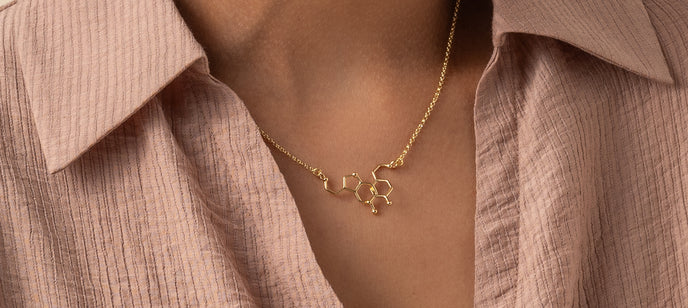
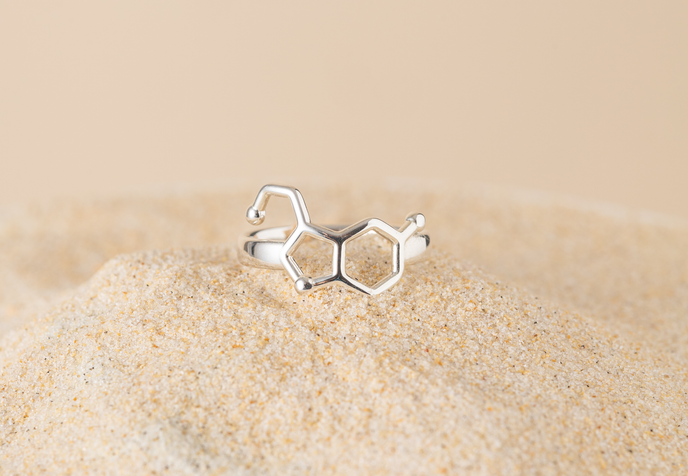
Delve into the hidden elegance of science with our meticulously crafted jewelry, inspired by the intricate structures of chemical molecules. Each piece serves as a tactile tribute to the building blocks of life and matter, capturing the allure of atoms and bonds in precious metals. A harmonious fusion of art and science, these creations are more than mere accessories; they're a celebration of the enigmatic beauty that underpins our universe.
Find your perfect fit
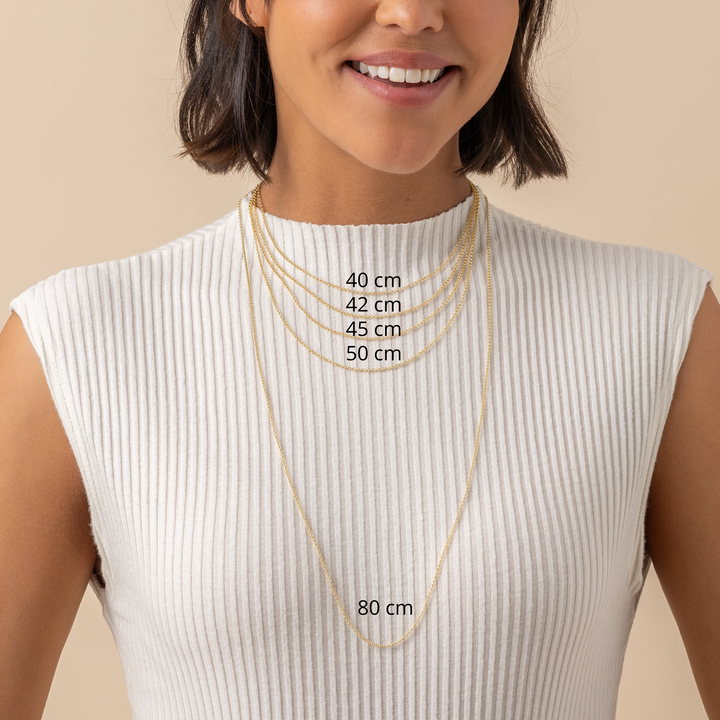
Necklace length guide