

€ 260


Still questions? Contact us
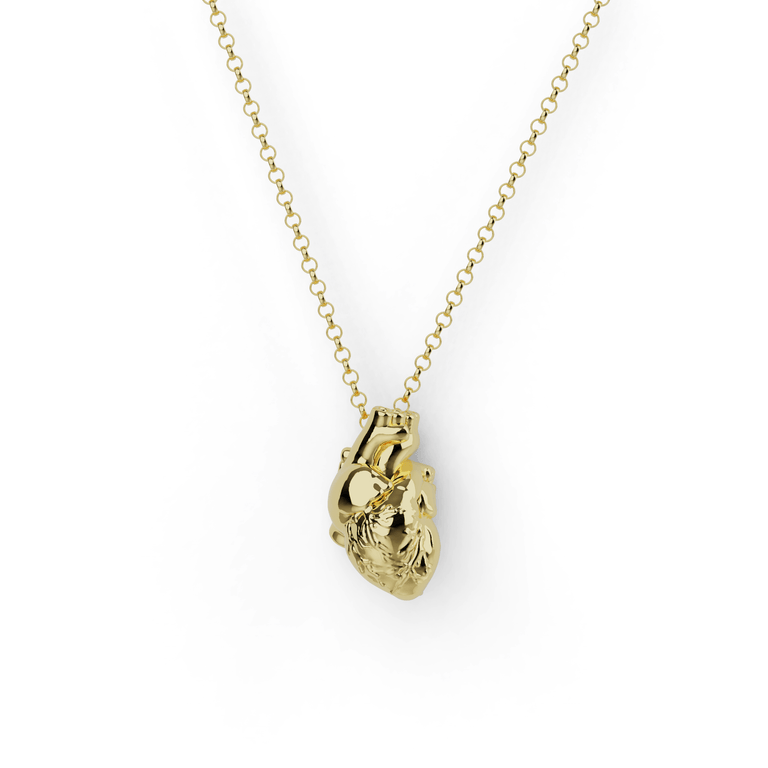
Anatomical heart necklace | 18K gold vermeil
Your heart began beating about three weeks after conception. A gold anatomical heart necklace is a gift for a daughter heading into medicine, a partner on the wards or a friend starting her first hospital job, and for yourself, if your own heart has a story.
Who It's For
- a daughter heading into medicine or cardiology, for her birthday
- a partner who works in a hospital
- a cardiac nurse, cardiologist or cardiac surgeon who wears gold every day
- a friend starting her first job on a hospital ward
- yourself, if the heart is part of your own story
Joann B. gave it to her daughter: “I am so very happy with this purchase for my daughter's 22nd birthday. She will be going into the medical field and is absolutely in love with this piece.” Faye T. wears her own: “It’s my special heart I carry with me all times.”
A Muscle Built to Last
Many cells in the body are replaced within days or weeks. Heart muscle cells renew far more slowly. A 2009 study found that they renew at about 1 per cent a year in early adulthood, falling below 0.5 per cent by 75, so fewer than half are replaced in a whole lifetime. They work hard in that time. At rest the heart moves about 5 litres of blood a minute, roughly the body's entire blood volume, and it beats around 100,000 times a day, some 3 billion times in a long life.
Explore Related Cardiology Jewelry
- anatomical heart necklace | silver
- heart section necklace | gold vermeil
- heartbeat necklace | gold vermeil
- cardiac conduction system necklace | silver
FAQ
How big is it, and what is gold vermeil?
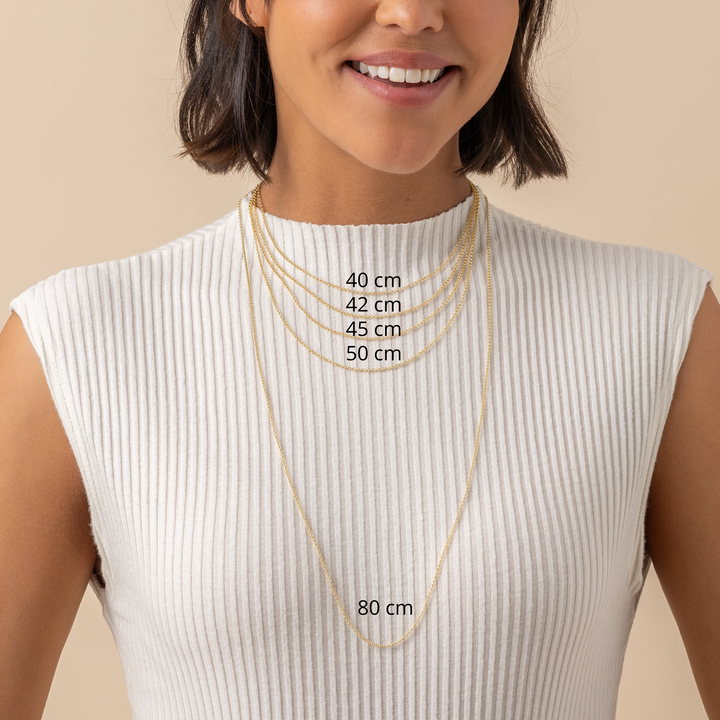
The pendant is 20 mm tall (about 0.8 inches), close to the size of a 10-euro-cent coin, and solid, with a noticeable weight for its size. It hangs from the top on a 45 cm (17.7 inch) gold vermeil chain with a 5 cm (2 inch) extender, so the length adjusts from 45 to 50 cm. Gold vermeil is 2.5 microns of 18K gold over solid sterling silver, nickel-free and hypoallergenic. To keep the gold bright, store it dry and take it off before swimming.
Is there a silver version, or other hearts in gold?
Yes. The same anatomical heart comes in sterling silver, also 20 mm. Choose the finish she already wears: the design is identical in both. In gold vermeil there are also a heart section necklace and a heartbeat necklace, and in silver a cardiac conduction system necklace.
Is delivery free, and what if it isn't right?
Yes. DHL Express delivers free in 1-5 business days worldwide, and we pay the import duties and taxes, so nothing is due at the door. It arrives in a ready-to-gift jewelry box and festive envelope. If it isn't right, our 30-day “Love It or Return It” policy applies.
Who received the first human heart transplant?
Louis Washkansky, a 53-year-old man living in Cape Town with a failing heart, on 3 December 1967. The heart came from Denise Darvall, 25, who had been hit by a car the day before. Her father, who lost his wife in the same accident, agreed to donate it. Christiaan Barnard led the operation at Groote Schuur Hospital. The new heart beat strongly, but he died of pneumonia 18 days later, weakened by the drugs used to prevent rejection. Today, half of heart transplant recipients live more than 12 years.

Human Anatomy
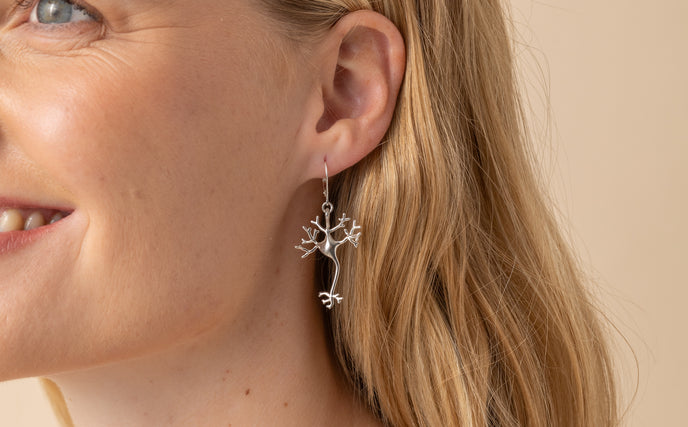
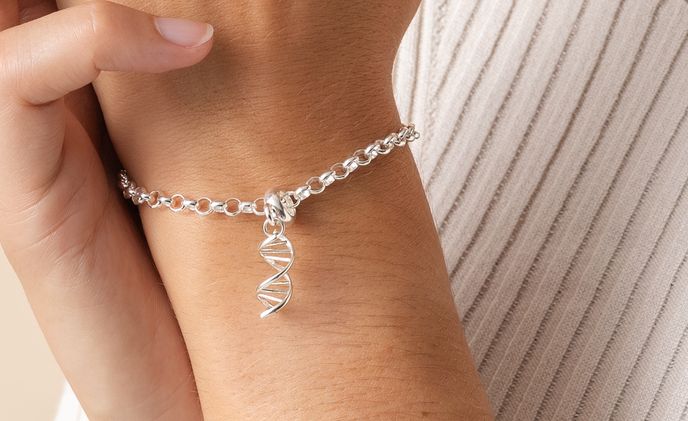
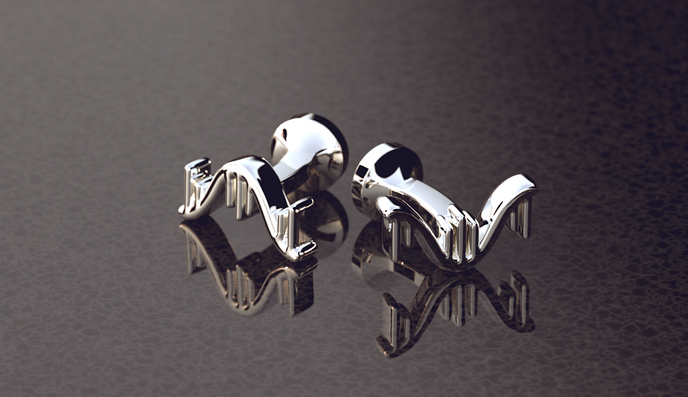
Anatomical wonders have never been so elegantly articulated. Our anatomical collection embodies the intricate and awe-inspiring structures that make us who we are. From DNA double helices to neuronal networks, our pieces don't merely imitate—they interpret. The collection serves as a tangible tribute to the hidden beauty within us all, elevating the realms of biology and medicine into wearable art. With exquisite attention to detail, each piece is a dialogue between form and function, revealing the enigmatic eloquence of the human body.
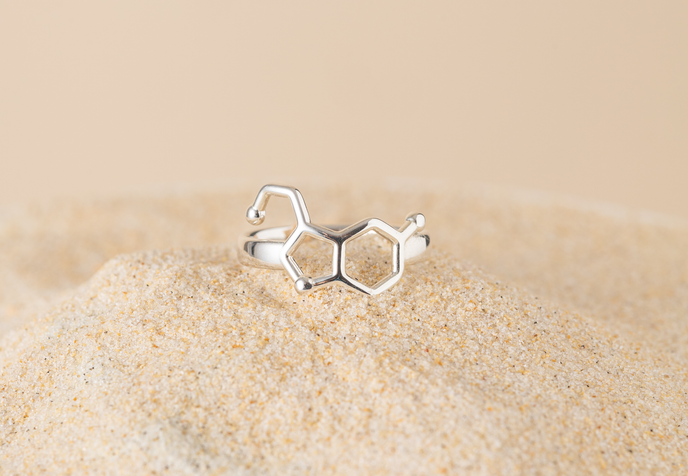
Find your perfect fit: measure an Existing Ring
Finding out your ring size at home is a simple process and can help you shop for jewelry online with confidence.
Necklace length guide