€ 155


Still questions? Contact us
Heartbeat studs | sterling silver
The smallest format in the heartbeat range. Studs sit flush against the lobe, stay clear of stethoscope tubing, and disappear under surgical caps and PPE while still reading as an ECG trace at conversational distance. The most discreet way to wear cardiology on the body.
The Science of the ECG Trace
The shape on the studs is one full PQRST cardiac cycle. The small upward bump is the P wave (atrial depolarisation), the tall sharp QRS complex is ventricular depolarisation, the rounded T wave is repolarisation. Roughly 0.8 seconds at rest. From this single line a clinician reads rhythm, conduction, ischaemia, electrolyte disturbances, and chamber strain. It is the densest single measurement in everyday medicine. The same sequence on every healthy ECG, which is why it works as a small symbol: you do not need it to be large to recognise it. People who read thousands of these every year notice the shape from across a corridor.
A Daily Reminder For
The audience is the clinical core that lives under PPE:
- cardiac surgeons, electrophysiologists, and cardiologists
- cardiac-care and ICU nurses, ECG technicians, paramedics
- emergency physicians and anaesthetists
- medical students and residents through cardiology rotations
- anyone whose work asks them to wear minimal jewelry on shift
The studs are the smallest and most discreet member of the heartbeat family, paired most often with the heartbeat necklace (silver or gold vermeil) or the earring hoops version for non-clinical days.
Explore Related Cardiology Jewelry
- Heartbeat necklace | sterling silver
- Heartbeat necklace | gold vermeil
- Heartbeat earring hoops | sterling silver
- Anatomical heart necklace | sterling silver
FAQ
Why studs instead of a necklace or earring hoops?
Format. The studs are the smallest and most clinically practical version of the heartbeat design. They stay flush against the lobe, do not catch on stethoscope tubing or surgical hat ties, and stay visible under PPE without snagging. For someone in cardiac surgery, ICU, or any environment where larger jewelry has to come off before a shift, the studs are the version that stays on.
What does the studs trace show?
One full PQRST cardiac cycle: the P wave (atrial depolarisation), the QRS complex (ventricular depolarisation), and the T wave (ventricular repolarisation). Roughly 0.8 seconds of electrical activity in a resting heart, captured as a single line. The same sequence on every healthy ECG. A clinician sees the trace and reads it without thinking about it.
What is the size, material, and hardware?
11 mm studs in 925 sterling silver, nickel-free. Ear nuts with sterling silver core. Ships free worldwide via DHL Express in 1-5 business days, with all import duties prepaid. Comes in a ready-to-gift jewelry box with the 30-day “Love It or Return It” policy.
How does this compare to the heartbeat earring hoops?
The hoops are 26 mm and read clearly across a room as an ECG line. The studs are 11 mm and read mostly to people standing close. Same trace on both, calibrated to two different daily contexts.

Human Anatomy
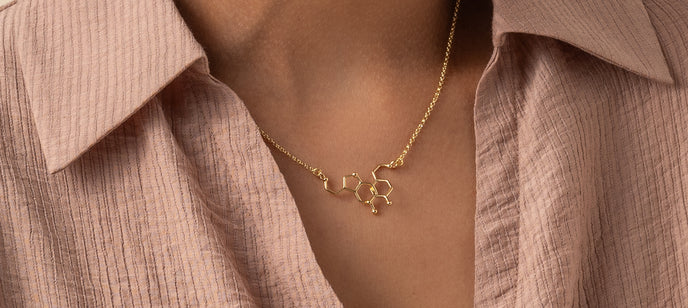
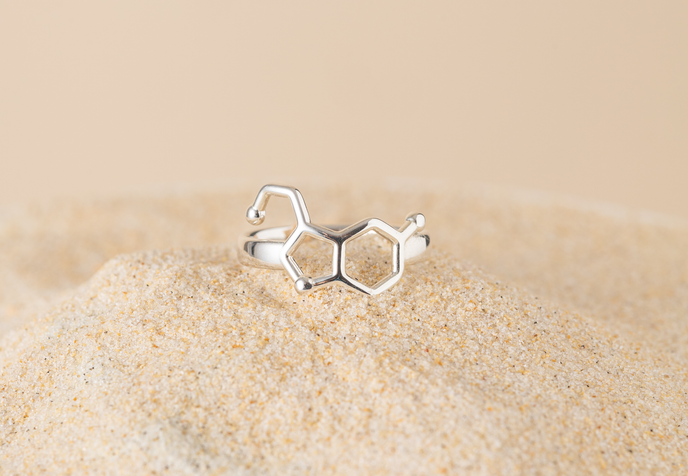
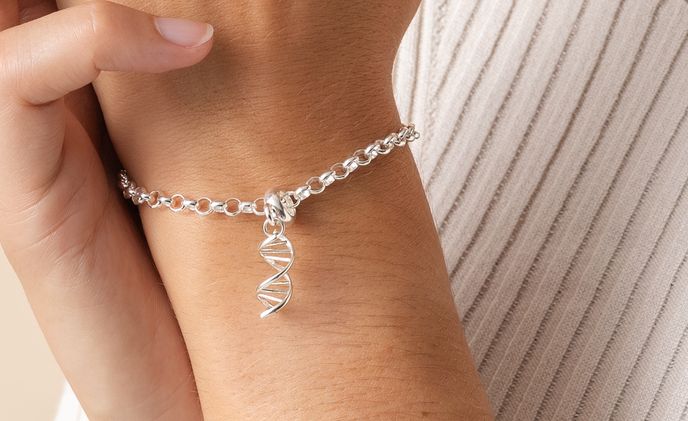
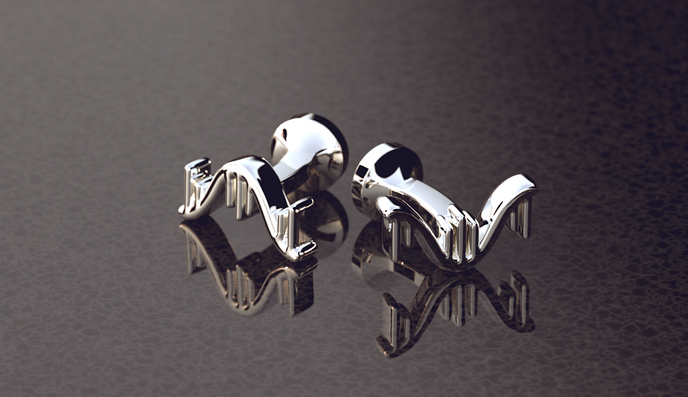
Anatomical wonders have never been so elegantly articulated. Our anatomical collection embodies the intricate and awe-inspiring structures that make us who we are. From DNA double helices to neuronal networks, our pieces don't merely imitate—they interpret. The collection serves as a tangible tribute to the hidden beauty within us all, elevating the realms of biology and medicine into wearable art. With exquisite attention to detail, each piece is a dialogue between form and function, revealing the enigmatic eloquence of the human body.

Find your perfect fit
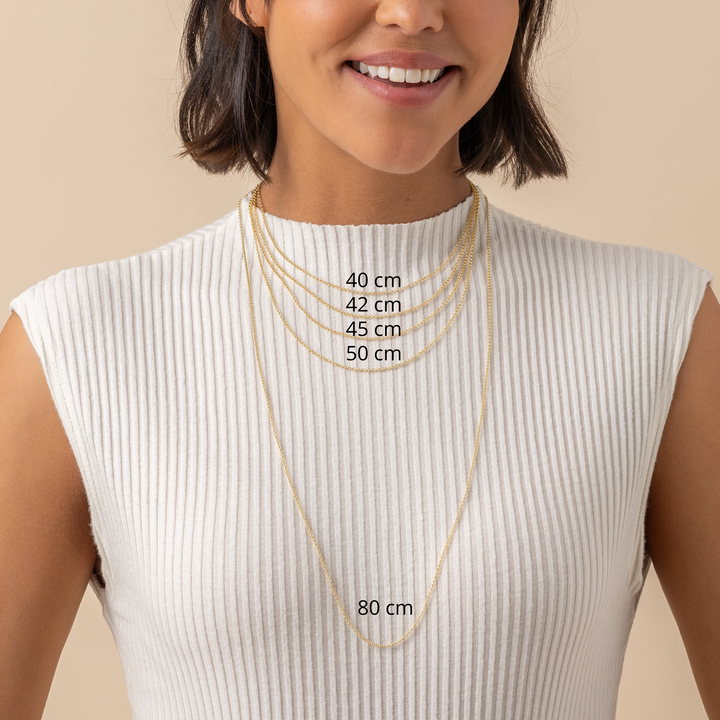
Necklace length guide