€ 320


Still questions? Contact us
Skull necklace | gold vermeil
The human skull is 22 bones interlocked at sutures that stop fusing in the late twenties, with internal architecture that protects the brain, frames the face, and channels every cranial nerve out to its target. The gold vermeil version is the same skull as the silver, in a warmer key.
The Anatomy of the Skull
The adult human skull consists of 22 bones. Eight cranial bones (frontal, two parietal, occipital, two temporal, sphenoid, ethmoid) form the protective vault around the brain. Fourteen facial bones (maxillae, zygomatics, nasals, lacrimals, palatines, inferior nasal conchae, vomer, mandible) frame the face and house the dentition. The bones interlock at sutures rather than synovial joints, with the coronal, sagittal, lambdoid, and squamous sutures as the major lines. Most cranial sutures begin to fuse in the late twenties, which is why forensic age estimation uses suture closure as one indicator. The skull base is perforated by foramina that allow the twelve cranial nerves and major vessels to pass between the cranial cavity and the rest of the head and neck. Neurosurgery, maxillofacial surgery, anthropology, and forensic anatomy all depend on knowing this architecture cold.
Worn By
The audience clusters around skull-related medicine and adjacent fields:
- neurosurgeons and skull-base surgeons
- maxillofacial and ENT surgeons
- anatomy teachers and medical students through their first cranial-anatomy block
- forensic anthropologists and bioarchaeologists
- artists and illustrators who use skull anatomy as a foundation reference
Often given at the end of a neurosurgery or maxillofacial fellowship.
Explore Related Human Anatomy Jewelry
FAQ
Same design as the silver skull?
Yes. Same 25 mm pendant, identical anatomical geometry. Material is the only difference.
Why does the skull have so many sutures rather than fewer larger bones?
Because of how the head develops. The skull bones grow from multiple ossification centres during embryonic and fetal life, and the gaps between them (sutures and fontanelles in infants) allow the head to deform during birth and the brain to grow through childhood. Permanent fusion of the bones into a single rigid structure would prevent both. The sutures progressively interdigitate as growth slows in adolescence and gradually obliterate in the late twenties and onward, creating a single load-bearing structure once the brain has reached adult size. The complexity of the suture pattern is a record of the developmental compromise between protection, growth, and mechanical strength.
What is the size, material, and chain?
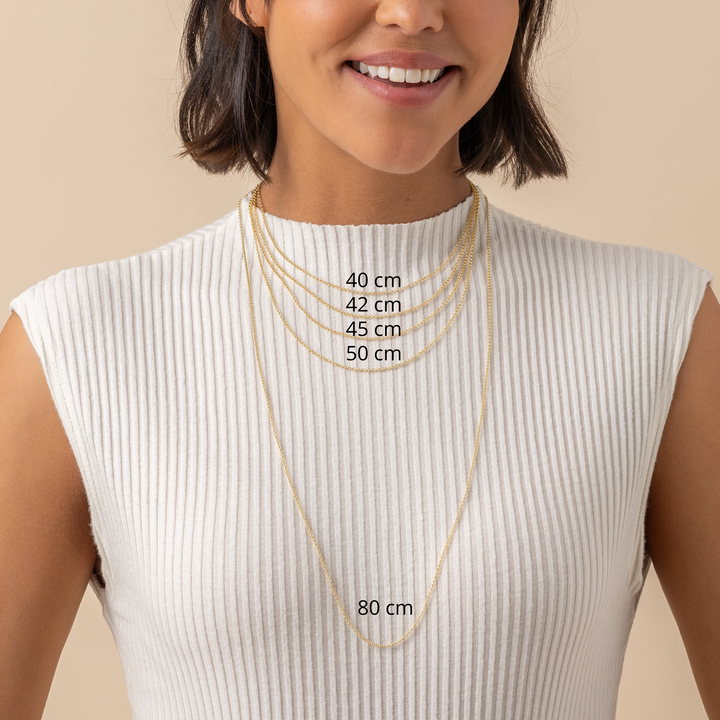
25 mm pendant in 18K gold vermeil (sterling silver core with 2.5 micron gold plating), nickel-free and hypoallergenic. 45 cm gold vermeil chain with a 5 cm extender. Ships free worldwide via DHL Express in 1-5 business days, with all import duties prepaid. Comes in a ready-to-gift jewelry box with the 30-day “Love It or Return It” policy.
Who is this usually given to?
Most often given to mark a neurosurgery or maxillofacial fellowship completion, a retirement after a long surgical career, or a major case milestone. Occasionally picked by artists and illustrators who use the skull as a daily reference and want a wearable version of that.
Human Anatomy
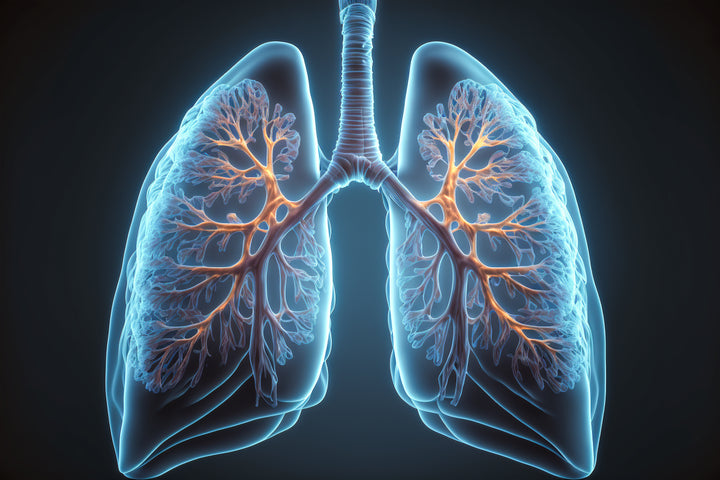
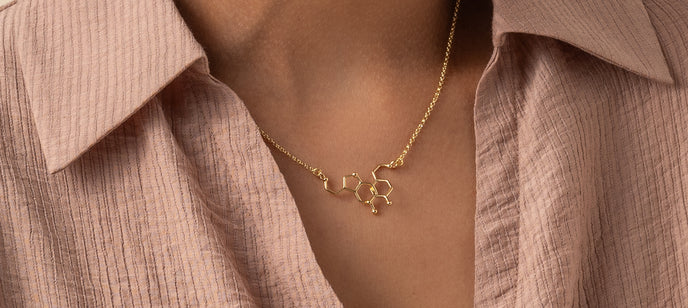
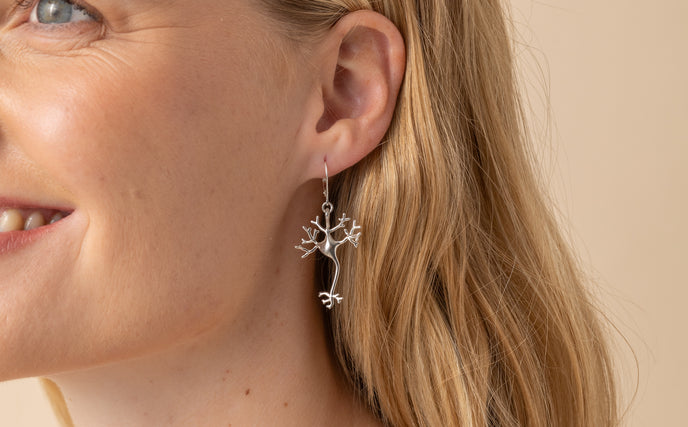
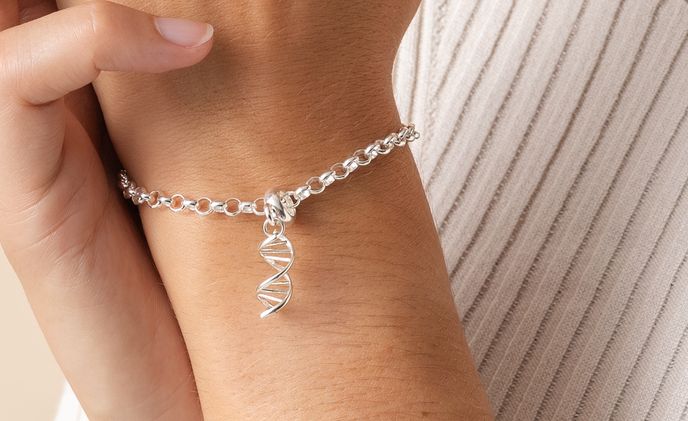
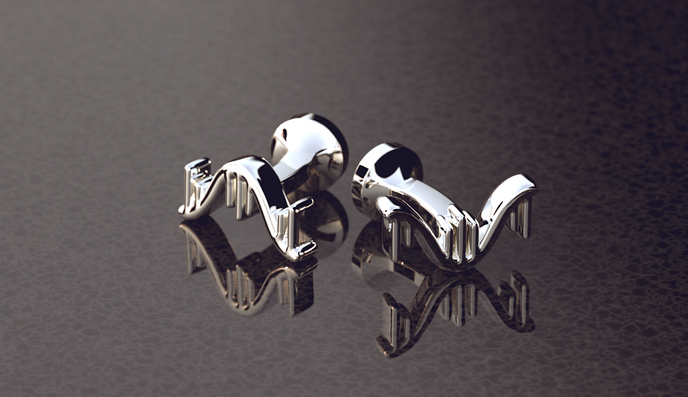
Anatomical wonders have never been so elegantly articulated. Our anatomical collection embodies the intricate and awe-inspiring structures that make us who we are. From DNA double helices to neuronal networks, our pieces don't merely imitate—they interpret. The collection serves as a tangible tribute to the hidden beauty within us all, elevating the realms of biology and medicine into wearable art. With exquisite attention to detail, each piece is a dialogue between form and function, revealing the enigmatic eloquence of the human body.
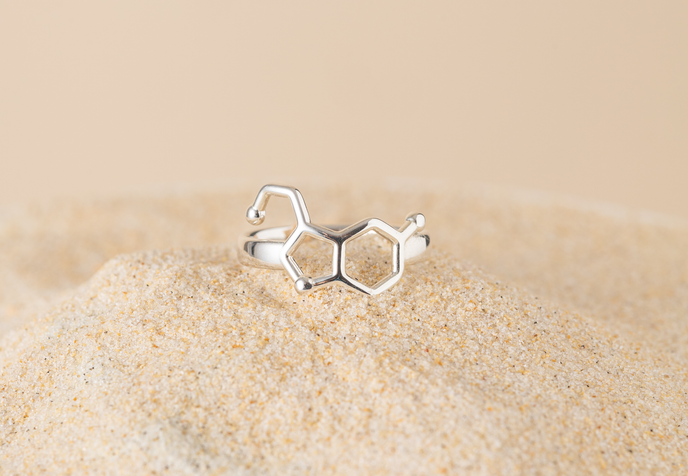
Find your perfect fit: measure an Existing Ring
Finding out your ring size at home is a simple process and can help you shop for jewelry online with confidence.
Necklace length guide