€ 205


Still questions? Contact us
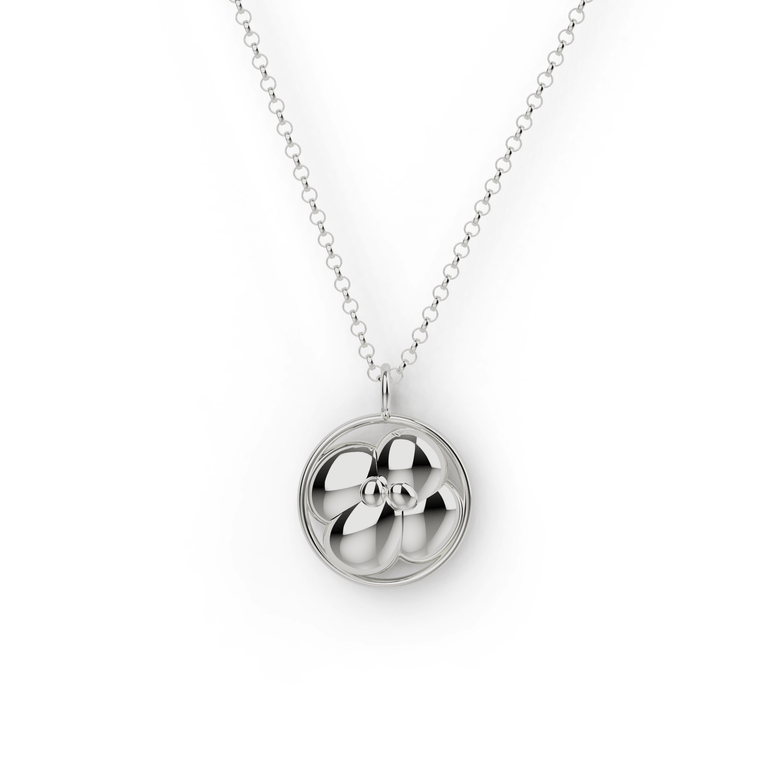
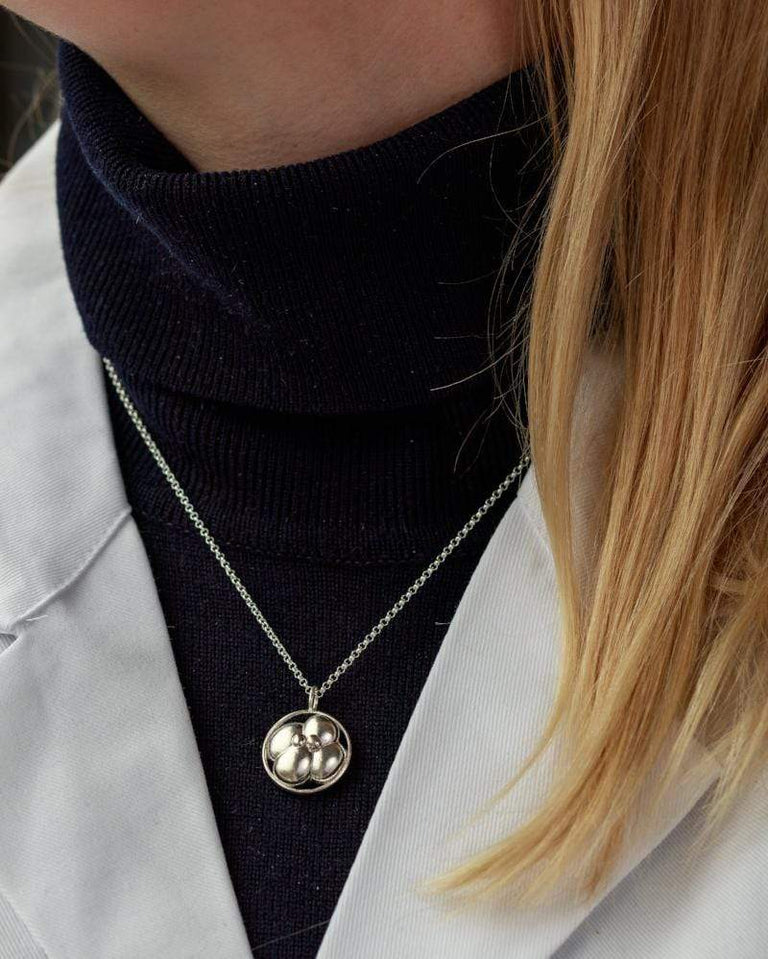
4 cell embryo necklace | sterling silver
Forty hours after fertilisation, two rounds of cell division produce four blastomeres, each still totipotent. This is the embryo most often photographed in IVF clinics, at the first morphology check, the moment that determines which embryo gets selected. A 4-cell embryo necklace in sterling silver.
The Biology of the 4-Cell Stage
The 4-cell stage occurs at roughly 40 to 44 hours after fertilisation, after two rounds of cleavage. The cells, called blastomeres, are still totipotent: in principle, each could give rise to a complete individual. This is the basis for monozygotic twinning at the 2 to 4-cell stage. The cleavage divisions are unusual: they increase cell number without increasing total cell mass, so each blastomere is half the size of its predecessor. By day 3 the embryo has typically reached the 8-cell stage. In clinical IVF, embryo morphology at the 4-cell stage is one of the early selection points before transfer, with symmetry, fragmentation, and cell size predicting implantation success.
A Quiet Symbol For
- embryologists working with IVF and early embryo selection
- developmental biologists studying cell fate and totipotency
- reproductive endocrinologists and fertility specialists
- women carrying their own IVF story, including embryo transfer day
- partners and families marking the moment that began everything
Explore Related Embryology Jewelry
- 4 cell embryo necklace | gold vermeil
- Blastocyst necklace | silver
- Embryo necklace | silver
- Egg and sperm necklace | silver
FAQ
Is this an appropriate gift after IVF, or after a difficult fertility journey?
Often yes, but it depends on the moment. The 4-cell embryo is the stage most often photographed in IVF clinics, the first morphology check before transfer. For people who came through a successful round, it tends to mark a specific day they don't want to forget. After a difficult journey, the answer is more personal. A short note that names what you're acknowledging usually does more than the pendant alone.
What does totipotent mean?
It means each of the four cells can give rise to a complete individual on its own. The blastomeres at the 4-cell stage have not yet committed to becoming any particular tissue, including the placenta. After compaction at the 8 to 16-cell stage, the cells begin to differentiate. The inner ones become the embryo, the outer ones become the placenta. The 4-cell stage is the last point where each cell could theoretically still become anything.
What size is the pendant and what does it ship with?
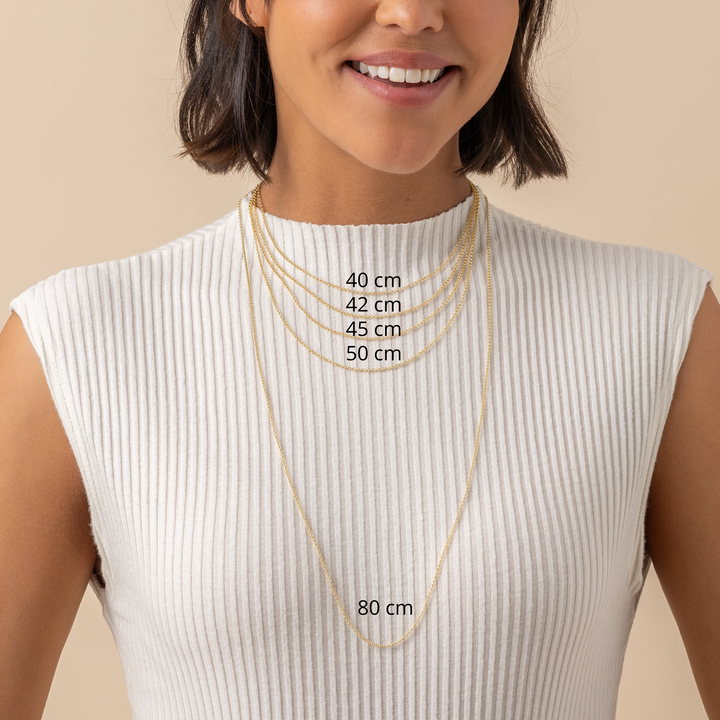
The pendant is 20 mm in 925 sterling silver, nickel-free and hypoallergenic, on a 45 cm sterling silver chain with a 5 cm extender and lobster clasp. Free worldwide DHL Express shipping in 1-5 business days, all import duties covered, in a ready-to-gift jewelry box.
Is this available in gold vermeil?
Yes. The 4-cell embryo is also available in 18k gold vermeil at a slightly higher price. Both versions are 20 mm and use the same design. Choose the finish the recipient already wears. Both versions carry the same design and the same meaning.
Cellular Biology
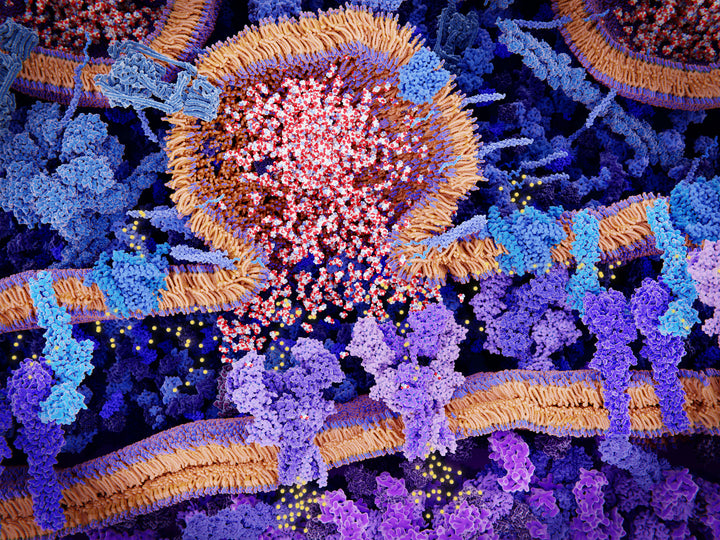
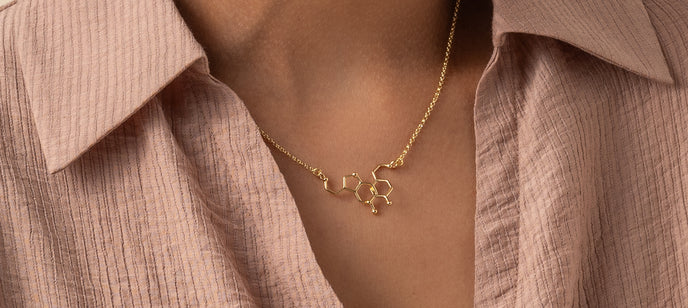
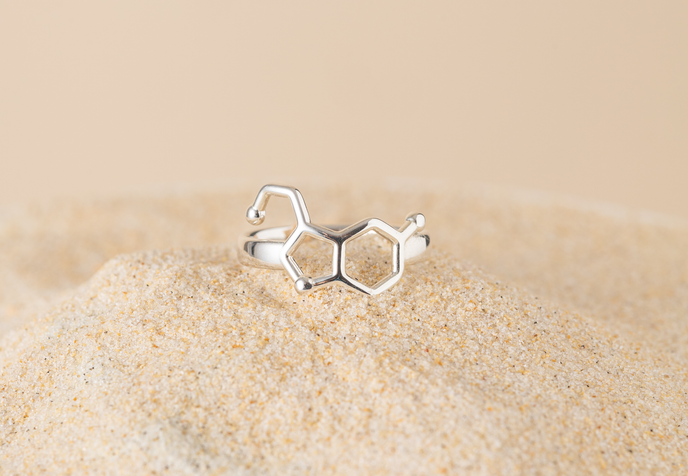
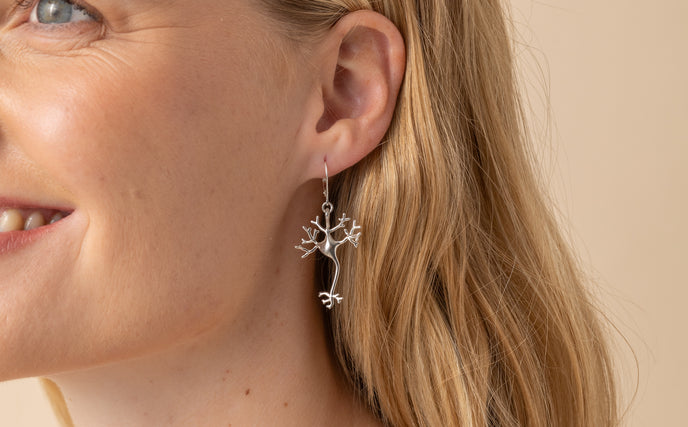
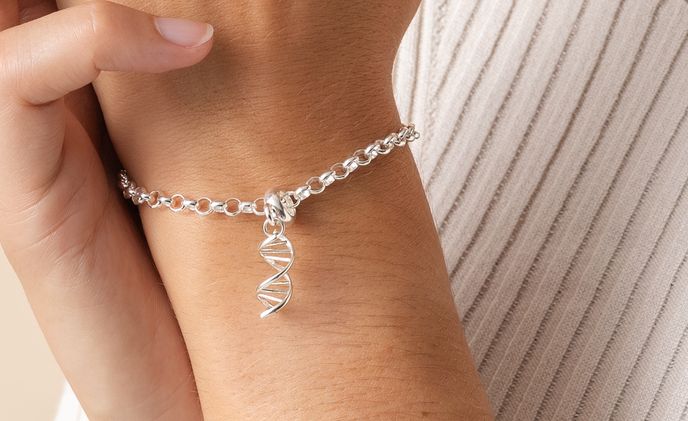
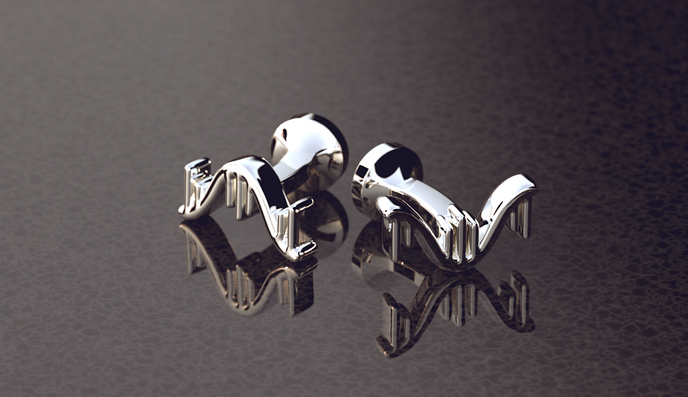
Step into the fascinating world of cellular biology through our unique jewelry designs. These pieces serve as wearable reflections of life's microscopic wonders, capturing the aesthetics of DNA strands, cellular formations, and more. Far from simple adornments, they spark dialogue and honor the captivating complexities found within biological research. Merging scientific accuracy with artistic flair, each creation offers a tactile experience that bridges the gap between scientific inquiry and aesthetic appreciation.
Find your perfect fit: measure an Existing Ring
Finding out your ring size at home is a simple process and can help you shop for jewelry online with confidence.
Necklace length guide