€ 295


Still questions? Contact us
Heart section necklace | 18K gold vermeil
The inside of the heart is where surgeons repair valves and close holes, and where a sonographer looks every working day. This gold heart section necklace is a gift for the women in that work, from a cardiology fellow to the surgeon she trains with, or for yourself.
Who It's For
- a cardiac surgeon finishing her fellowship
- a cardiology fellow who has just passed her boards
- a cardiac sonographer moving to a new hospital, or a new role
- a perfusionist or cardiac anaesthetist leaving the team
- the GP who has looked after your family for years, for her birthday
- yourself, if your own heart has been repaired, or because you love how it works
A Door That Closes at Birth
Before birth the baby is not yet breathing, so blood takes a shortcut. It passes from the right atrium to the left through the foramen ovale, an opening in the wall between the two upper chambers. With the first breaths, blood flows into the lungs, pressure in the left atrium rises and a flap of tissue is pressed against the opening. That closes it soon after birth, and in most babies it seals over during infancy. In about one adult in four it never seals completely. In everyone it leaves a small oval hollow in the wall, the fossa ovalis, which cardiologists cross with a catheter to reach the left side of the heart.
Explore Related Cardiology Jewelry
- heart section necklace | silver
- anatomical heart necklace | gold vermeil
- heartbeat necklace | gold vermeil
- cardiac conduction system necklace | gold vermeil
FAQ
How big is it, how does it hang, and what is it made of?
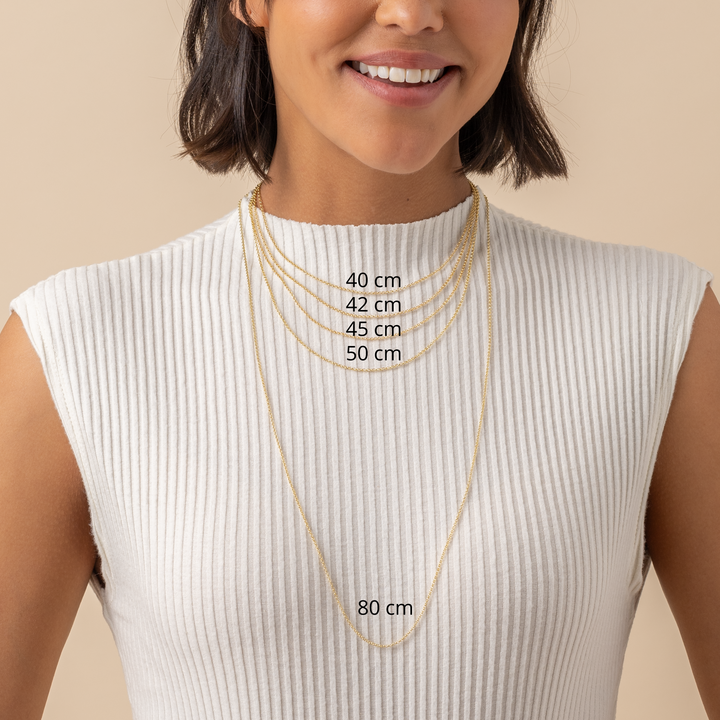
The pendant is 24 mm tall (just under 1 inch), the size of a US quarter and a little smaller than a 2-euro coin. It hangs from the top on a 45 cm (17.7 inch) gold vermeil chain with a 5 cm (2 inch) extender, so the length adjusts from 45 to 50 cm and the heart sits at or just below the collarbone. Our gold vermeil is 2.5 microns of 18K gold over solid sterling silver, nickel-free. A soft cloth and dry storage keep the gold at its best.
Is there a silver version, or another heart?
Yes. The same heart section comes in sterling silver, also 24 mm, on a sterling silver chain. Choose the finish she already wears: the design is the same in both. For a whole anatomical heart, there is the anatomical heart necklace, 20 mm, in gold vermeil and in silver. For a different length, an extra chain is offered on this page, from 40 to 80 cm.
Will it arrive in time, and what if it isn't right?
DHL Express delivers free in 1-5 business days worldwide, and we pay the import duties and taxes, so nothing is due at the door. It comes in a ready-to-gift jewelry box and festive envelope. If it isn't right, our 30-day “Love It or Return It” policy applies.
Who first operated successfully inside a heart with a heart-lung machine?
John Gibbon, in Philadelphia, on 6 May 1953. He had worked on the machine since the 1930s, much of it with his wife and research partner, Mary Hopkinson Gibbon. His patient was Cecelia Bavolek, 18, who had a hole in the wall between the upper chambers of her heart. While the machine pumped and oxygenated her blood, Gibbon closed the hole. She recovered and lived for decades. It is remembered as the first successful open-heart operation with a heart-lung machine, the support most open-heart surgery still relies on today.

Human Anatomy
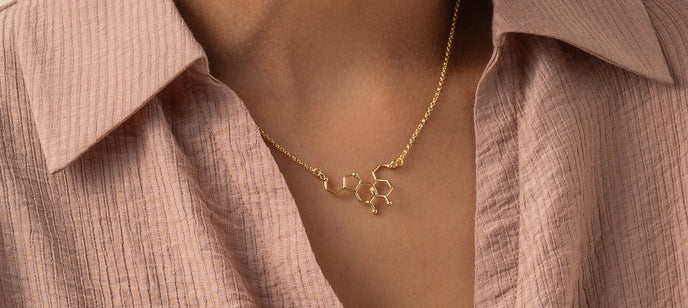
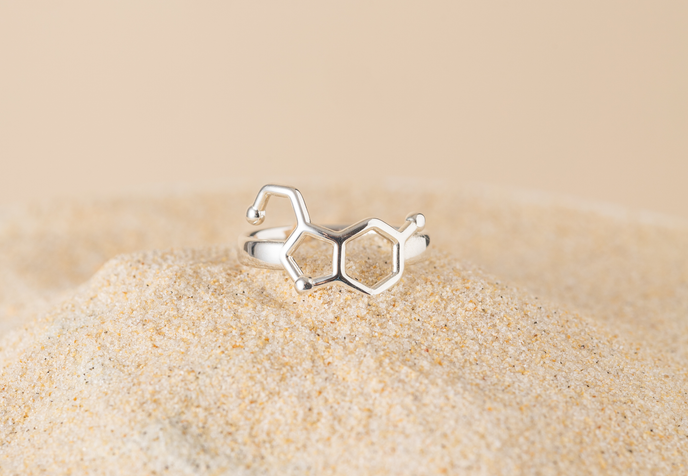
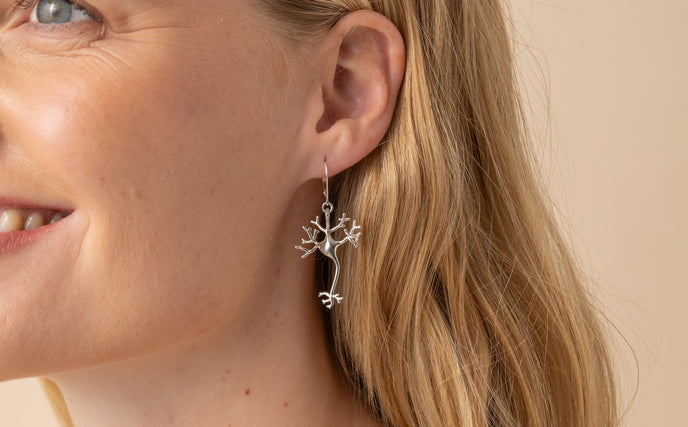
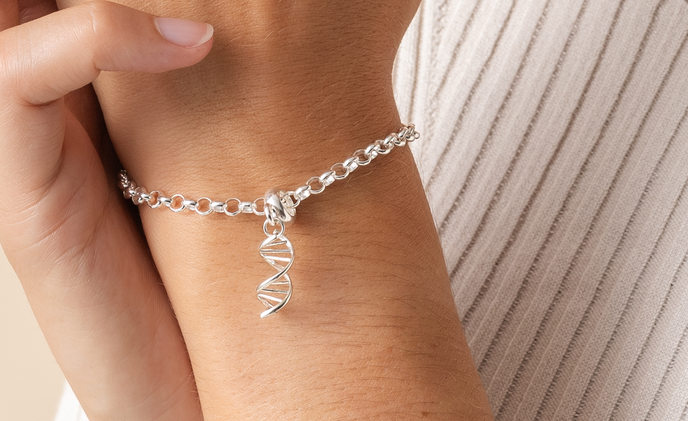
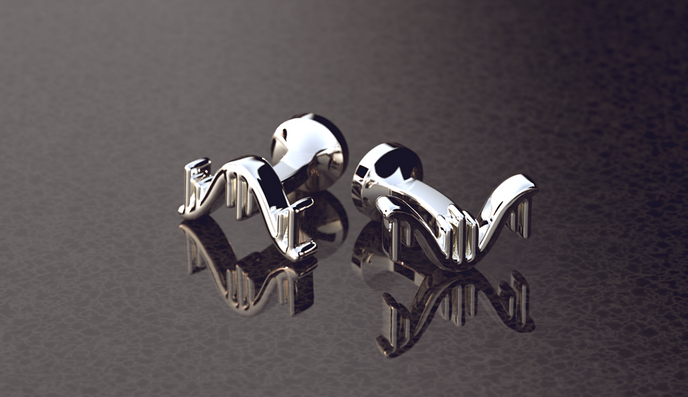
Anatomical wonders have never been so elegantly articulated. Our anatomical collection embodies the intricate and awe-inspiring structures that make us who we are. From DNA double helices to neuronal networks, our pieces don't merely imitate—they interpret. The collection serves as a tangible tribute to the hidden beauty within us all, elevating the realms of biology and medicine into wearable art. With exquisite attention to detail, each piece is a dialogue between form and function, revealing the enigmatic eloquence of the human body.
Find your perfect fit: measure an Existing Ring
Finding out your ring size at home is a simple process and can help you shop for jewelry online with confidence.
Necklace length guide