
€ 180


Still questions? Contact us
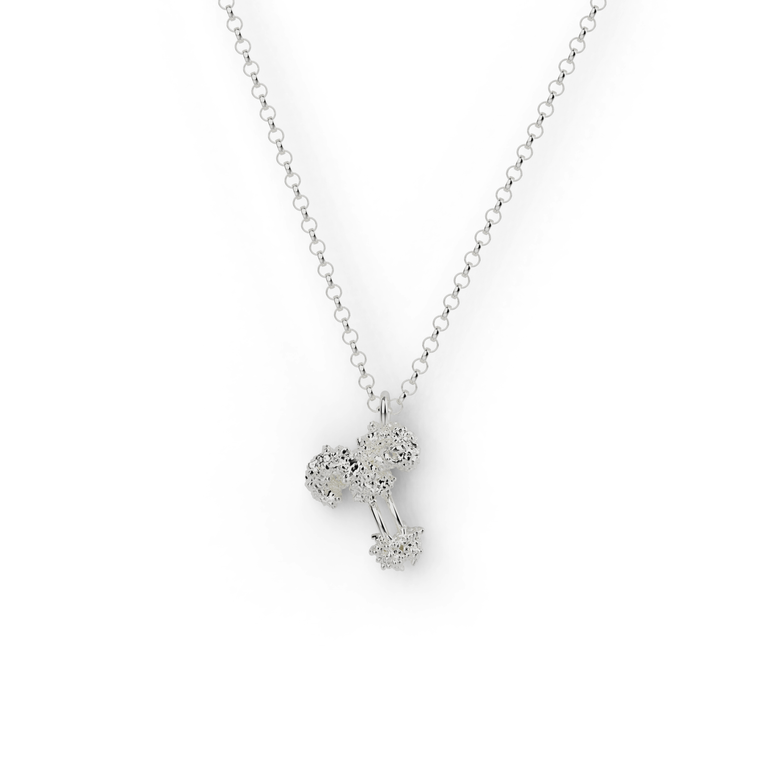
Toll-like receptor necklace | sterling silver
If you can name which TLR recognises which PAMP, this one's for you. Toll-like receptors are how the immune system tells, within seconds, that something has gone wrong, before any antibody has been made.
The Science of Pattern Recognition Receptors
Toll-like receptors (TLRs) are the front line of innate immunity. They sit on immune cells and epithelial surfaces and detect conserved microbial structures, the pathogen-associated molecular patterns: lipopolysaccharide on Gram-negative bacteria, flagellin on motile species, double-stranded viral RNA, unmethylated CpG DNA, and more. Engagement triggers signalling through MyD88 or TRIF, which activates NF-κB and the interferon regulatory factors and switches on the cytokine programme that brings the rest of the immune system in. The discovery of TLRs in mammals as the orthologues of the Drosophila Toll receptor earned Jules Hoffmann and Bruce Beutler a share of the 2011 Nobel Prize in Physiology or Medicine.
Who Will Recognise It
The audience is narrow, peer-recognition territory:
- innate immunologists and inflammation researchers
- vaccinologists working on TLR-based adjuvants
- sepsis researchers and intensivists who've seen what dysregulated TLR signalling does
- immunology students who have just memorised which TLR sees what
Explore Related Immunology Jewelry
- Macrophage necklace | silver
- Lymphocyte necklace | silver
- Antibody necklace | silver
- 7TMR necklace | silver
FAQ
Will this register with someone outside immunology?
Probably not in the same way. Toll-like receptors are specialist territory, and the recipient ideally already knows what a PAMP is. For a more general immunology piece, the macrophage or lymphocyte necklaces work better.
Why are TLRs considered the bridge between innate and adaptive immunity?
Because they signal both arms at once. TLR engagement on dendritic cells activates the cell's antigen-presentation programme and pushes it to the lymph node, where it primes T cells. The same signal that triggers an immediate cytokine response also licenses the slower adaptive response that comes hours and days later. No TLR signal, no efficient adaptive immunity.
What's the size, material, and chain?
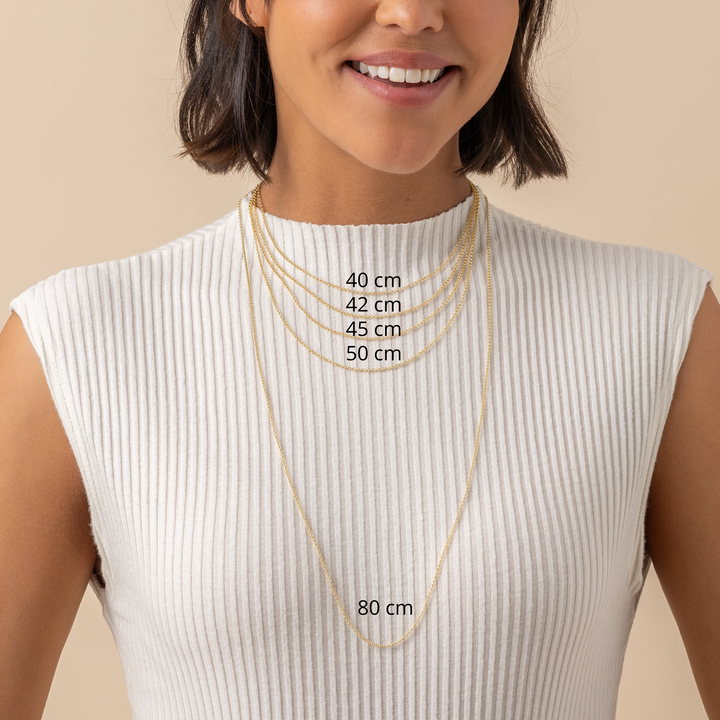
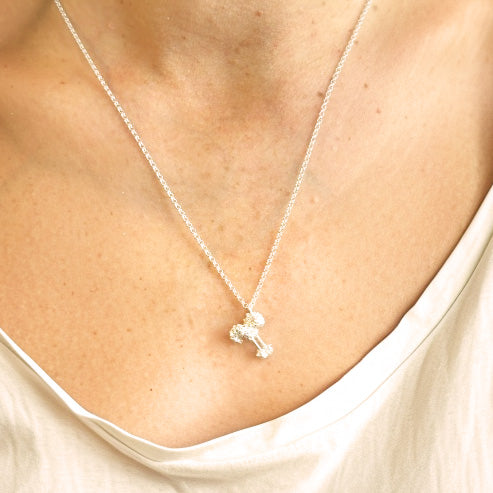
18 mm pendant in 925 sterling silver, nickel-free. 45 cm chain with a 5 cm extender. Ships free worldwide via DHL Express in 1-5 business days, with all import duties prepaid. Comes in a ready-to-gift jewelry box with the 30-day "Love It or Return It" policy.
Are there matching cell-type pieces in the catalog?
Yes. Macrophage, lymphocyte, neutrophil, and antibody necklaces all sit in the same immunology range. Several customers buy two or three together to mark a thesis defence or a new lab.
Cellular Biology
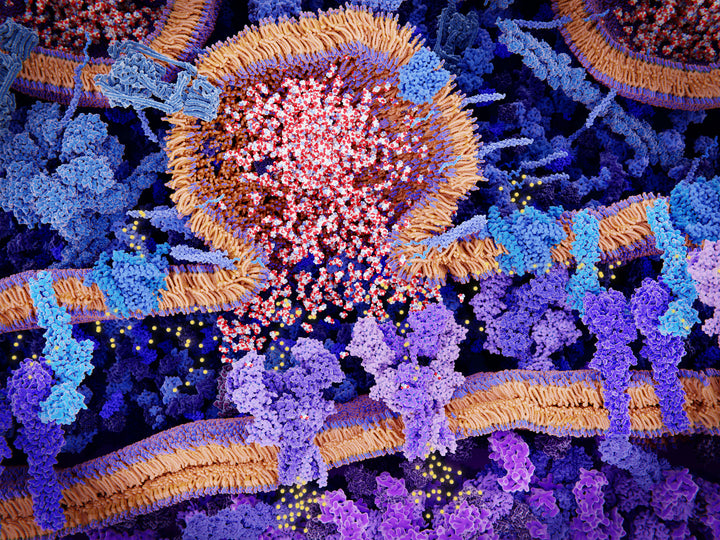
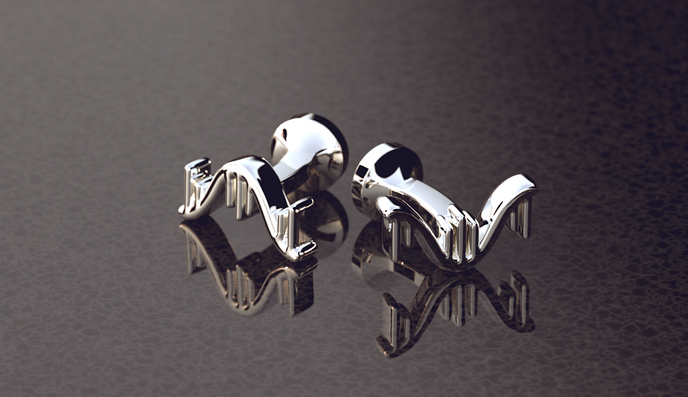
Step into the fascinating world of cellular biology through our unique jewelry designs. These pieces serve as wearable reflections of life's microscopic wonders, capturing the aesthetics of DNA strands, cellular formations, and more. Far from simple adornments, they spark dialogue and honor the captivating complexities found within biological research. Merging scientific accuracy with artistic flair, each creation offers a tactile experience that bridges the gap between scientific inquiry and aesthetic appreciation.
Find your perfect fit: measure an Existing Ring
Finding out your ring size at home is a simple process and can help you shop for jewelry online with confidence.
Necklace length guide