€ 185


Still questions? Contact us
Lymphocyte necklace | sterling silver
If you've spent any time explaining what makes adaptive immunity adaptive, you'll recognise the lymphocyte on sight: large nucleus, thin rim of cytoplasm, no granules. The cell that makes immunity specific, in sterling silver.
The Science Behind Lymphocytes
Lymphocytes are the cellular basis of adaptive immunity. B cells produce antibodies and can survive as memory cells for decades after a single exposure to an antigen. T cells split into cytotoxic T cells (CD8 positive), which kill infected and cancerous cells directly, and helper T cells (CD4 positive), which coordinate the rest of the immune response through cytokine signalling. Natural killer (NK) cells bridge innate and adaptive immunity, targeting stressed cells without prior sensitisation. The mature lymphocyte is recognisable by its large round nucleus, which fills most of the cell because it has to: each cell carries the rearranged genetic machinery that makes its receptor unique.
Who Will Recognise It
- immunologists, oncologists, and immune-mediated disease researchers
- haematologists and clinical immunologists
- biology and medical students well into their immunology rotation
- researchers in vaccines, immunotherapy, or autoimmune disease
- patients and families connected to immunotherapy or immune-mediated illness
Explore Related Immunology Jewelry
- Antibody necklace | silver
- IgM necklace | silver
- Macrophage necklace | silver
- Monocyte necklace | silver
FAQ
Will an immunologist actually wear this?
Most do. The lymphocyte is the cell class most immunologists work with daily, and the design is recognisable to anyone in the field. The piece is small enough to sit comfortably under a stethoscope or lab coat, discreet enough that it reads as anatomical jewellery to non-immunologists. The conversation that follows when someone in your subspecialty notices it is usually the good kind.
Why is the nucleus so disproportionately large?
Each lymphocyte carries the genetic machinery for one unique antibody or T cell receptor, generated by V(D)J recombination during development. That requires a working transcriptional architecture and a lot of accessible DNA. The large round nucleus is what's left when most of the cell is just storage and machinery for the receptor it expresses. Cytotoxic T cells carry more granules and have slightly more cytoplasm, but the basic ratio holds across the cell class.
What size is the pendant and what does it ship with?
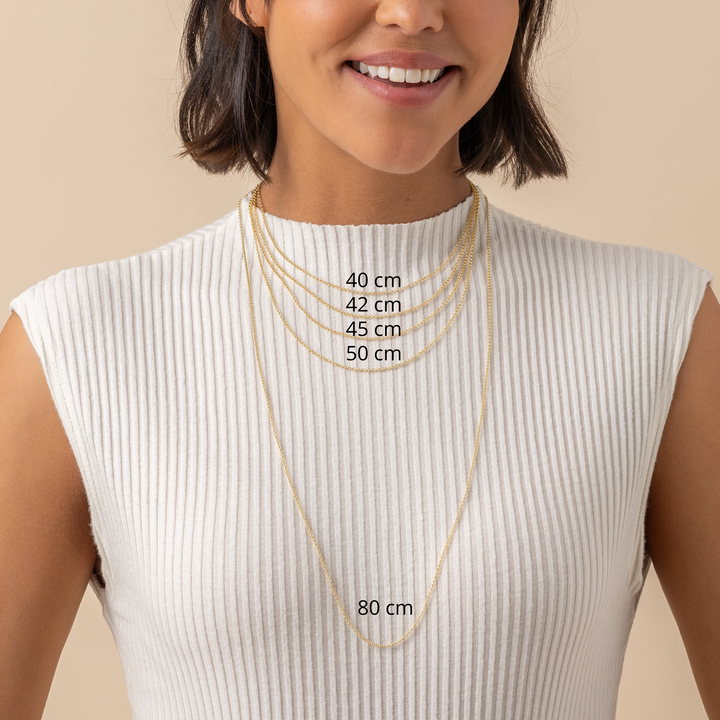
The pendant is in 925 sterling silver, nickel-free and hypoallergenic, sized to read clearly without overstating itself. It comes on a 45 cm sterling silver chain (1.8 mm width, lobster clasp) with a 5 cm extender. Free worldwide DHL Express shipping in 1-5 business days, all import duties covered, in a ready-to-gift jewelry box.
What other immune cells does Science Jewelry carry?
Several. Antibody, IgM, macrophage, monocyte, and toll-like receptor are all in the catalog, in silver. If you're building a small immunology collection, the lymphocyte and antibody together tend to be the most recognisable pair. The lymphocyte represents the cell that makes immunity specific. The antibody is what the B cell subtype produces. Together they tell the adaptive immunity story in two pieces.
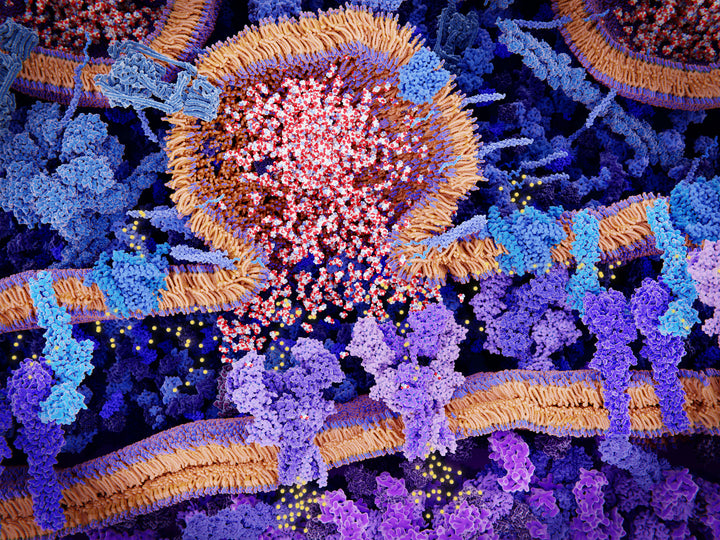
Cellular Biology
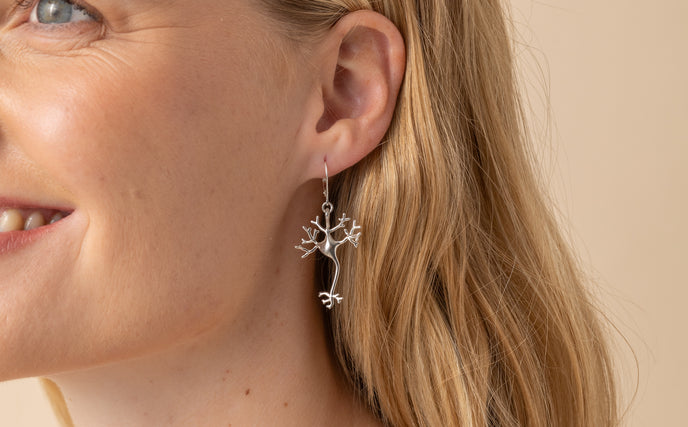
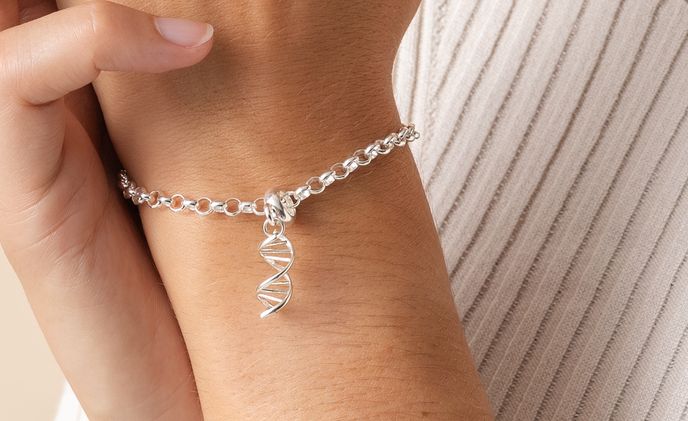
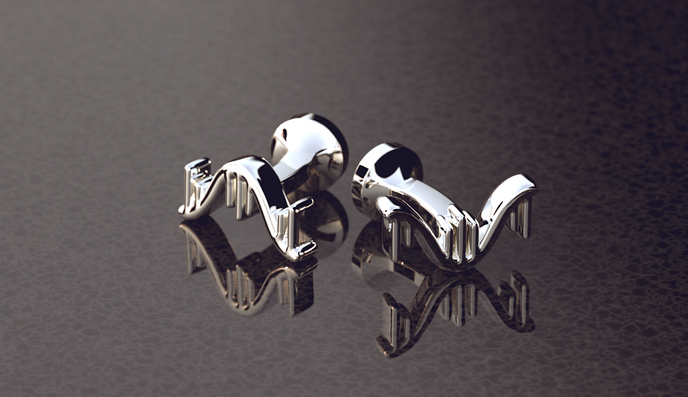
Step into the fascinating world of cellular biology through our unique jewelry designs. These pieces serve as wearable reflections of life's microscopic wonders, capturing the aesthetics of DNA strands, cellular formations, and more. Far from simple adornments, they spark dialogue and honor the captivating complexities found within biological research. Merging scientific accuracy with artistic flair, each creation offers a tactile experience that bridges the gap between scientific inquiry and aesthetic appreciation.
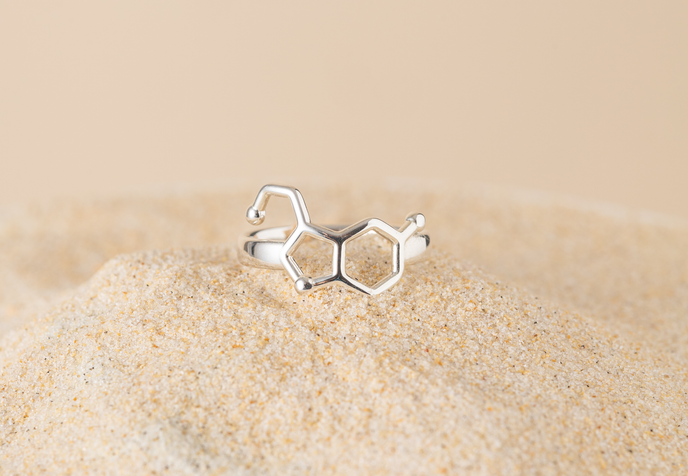
Find your perfect fit: measure an Existing Ring
Finding out your ring size at home is a simple process and can help you shop for jewelry online with confidence.
Necklace length guide