€ 175


Still questions? Contact us
Monocyte necklace | sterling silver
If you have ever called out a monocyte on a peripheral blood smear, you know the cell by its kidney-shaped nucleus before you know it by anything else. The monocyte is the circulating precursor to most tissue macrophages and dendritic cells, the patrol unit before it becomes the resident.
The Science of the Monocyte
Monocytes make up two to eight per cent of circulating leukocytes and live in the bloodstream for one to three days before being recruited into tissue. Once they cross the endothelium they differentiate into macrophages or dendritic cells depending on the local cytokine environment. Three subsets are recognised in humans by surface marker expression: classical (CD14++ CD16-) which dominate steady-state circulation, intermediate (CD14++ CD16+) which expand in inflammation, and non-classical (CD14+ CD16++) which patrol the vasculature. Monocytes are among the first responders to systemic infection and major drivers of the cytokine response in sepsis. The same biology underlies their role in chronic inflammatory diseases, where persistent monocyte recruitment maintains tissue-level pathology.
Who Will Recognise It
The audience is specific to people who work with blood or innate immunity:
- haematologists, infectious disease physicians, and intensive-care clinicians
- immunologists working on monocyte subsets, sepsis, or chronic inflammation
- pathologists and clinical laboratory scientists who read smears every day
- biomedical scientists in flow cytometry or single-cell immunology
- medical students who have just survived a haematology rotation
Explore Related Cellular Biology Jewelry
- Macrophage necklace | silver
- Lymphocyte necklace | silver
- Neutrophil necklace | silver
- Eosinophil necklace | silver
FAQ
Is the monocyte distinctive enough as a piece, or does it just read as a cell?
To anyone who works with blood smears or flow data, it reads as itself. The kidney-shaped nucleus is the recognisable detail that separates a monocyte from a lymphocyte at first glance, and a pendant that names this specific cell tends to land as a thoughtful gift to a haematologist or immunologist. To non-specialists it reads as a generic cell, which is fine because it isn't a piece chosen for them.
What's the relationship between monocytes and macrophages?
Monocytes are the circulating form. Once they leave the bloodstream and enter a tissue, they differentiate into macrophages or dendritic cells depending on local signals. The kidney-shaped nucleus rounds out, the cell enlarges, and the surface marker profile shifts. So a tissue macrophage starts as a monocyte and ends as something specialised to the tissue it lives in. Some tissue macrophages, like Kupffer cells in the liver and microglia in the brain, are also seeded from embryonic precursors and self-renew locally rather than coming from circulating monocytes.
What's the size, material, and chain?
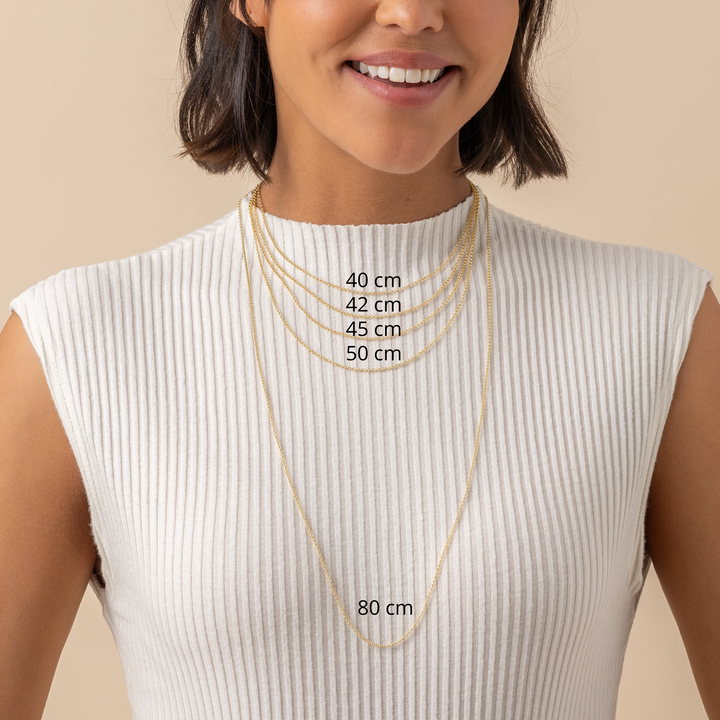
15 mm pendant in 925 sterling silver, nickel-free. 45 cm sterling silver chain with a 5 cm extender. Ships free worldwide via DHL Express in 1-5 business days, with all import duties prepaid. Comes in a ready-to-gift jewelry box with the 30-day “Love It or Return It” policy.
Is there a gold version?
Not currently. The monocyte is silver only. The catalog has gold versions of several other immune cells (lymphocyte, mostly) but the monocyte is a single material for now.
Cellular Biology
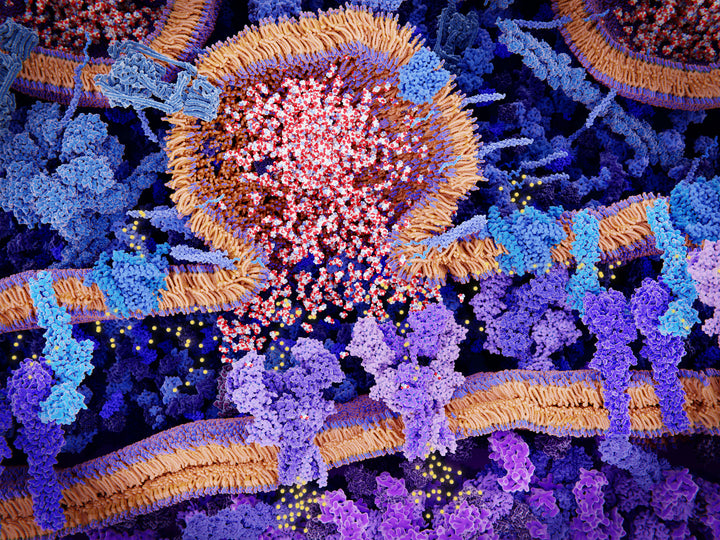
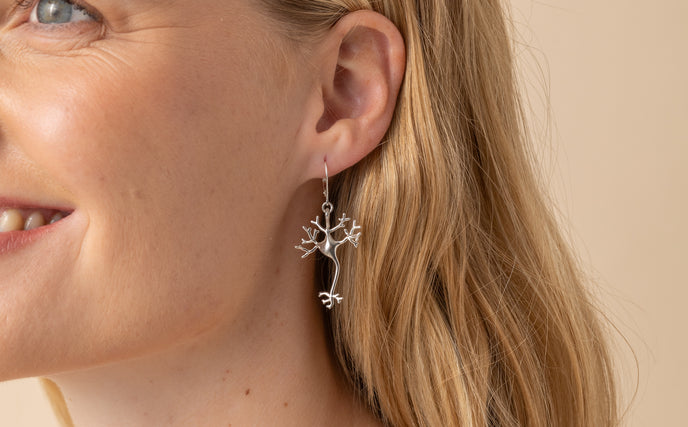
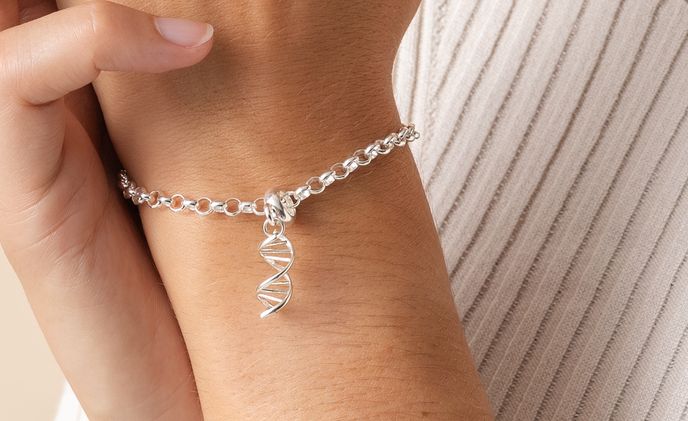
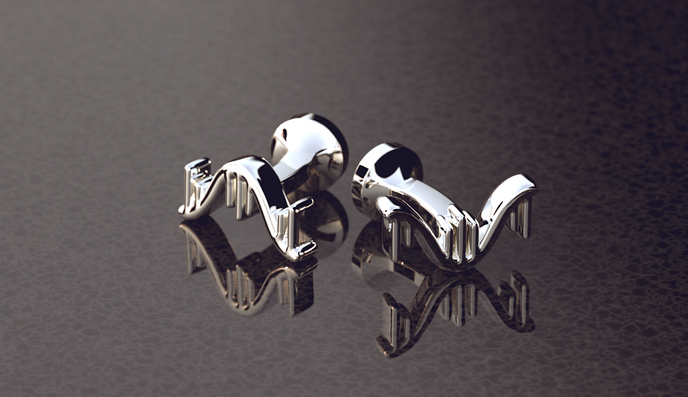
Step into the fascinating world of cellular biology through our unique jewelry designs. These pieces serve as wearable reflections of life's microscopic wonders, capturing the aesthetics of DNA strands, cellular formations, and more. Far from simple adornments, they spark dialogue and honor the captivating complexities found within biological research. Merging scientific accuracy with artistic flair, each creation offers a tactile experience that bridges the gap between scientific inquiry and aesthetic appreciation.
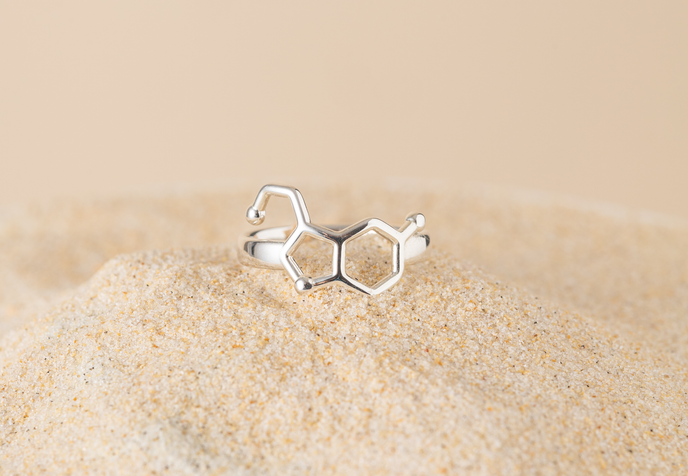
Find your perfect fit: measure an Existing Ring
Finding out your ring size at home is a simple process and can help you shop for jewelry online with confidence.
Necklace length guide