€ 175


Still questions? Contact us
neutrophil necklace | sterling silver
If you count white blood cells knowing that neutrophils make up half the immune system and arrive first at any site of infection, you already know this cell's architecture, its lifespan of just five days, and its central role in survival.
The Science of the Neutrophil
Neutrophils account for 40-70 percent of circulating leukocytes. Their multi-lobed nucleus (typically 3-5 lobes) is the defining morphological feature. They kill via three mechanisms: phagocytosis and intracellular digestion, release of cytotoxic granules, and the formation of neutrophil extracellular traps (NETs), webs of DNA and antimicrobial proteins cast into extracellular space to immobilise pathogens. Neutrophils are short-lived (6-8 hours in circulation) but produced at roughly 10 to the 11th power per day from bone marrow precursors, making them the body's most abundant and most rapidly replaced immune cell.
Who Tends to Wear This
- immunologists and haematologists
- infectious disease researchers and clinicians
- medical students and laboratory medicine professionals
- anyone who understands innate immunity from the inside
Explore Related Cellular Biology Jewelry
- Eosinophil necklace | silver
- Monocyte necklace | silver
- Macrophage necklace | silver
- Lymphocyte necklace | silver
FAQ
Would an immunologist appreciate this pendant?
Yes, especially anyone studying innate immunity, sepsis, or chronic inflammatory conditions. The multi-lobed nucleus is instantly recognizable to anyone who has counted white blood cells under a microscope or reviewed immune panels regularly.
Why do neutrophils have lobed nuclei when most other cells have round ones?
The lobed morphology enables migration through tight tissue spaces. The irregular shape squeezes more easily through endothelial gaps than a round nucleus would, allowing neutrophils to move rapidly into infected tissue. It is a structural adaptation to their role as frontline defenders that must reach the site of infection quickly.
What are the material, size, and chain?
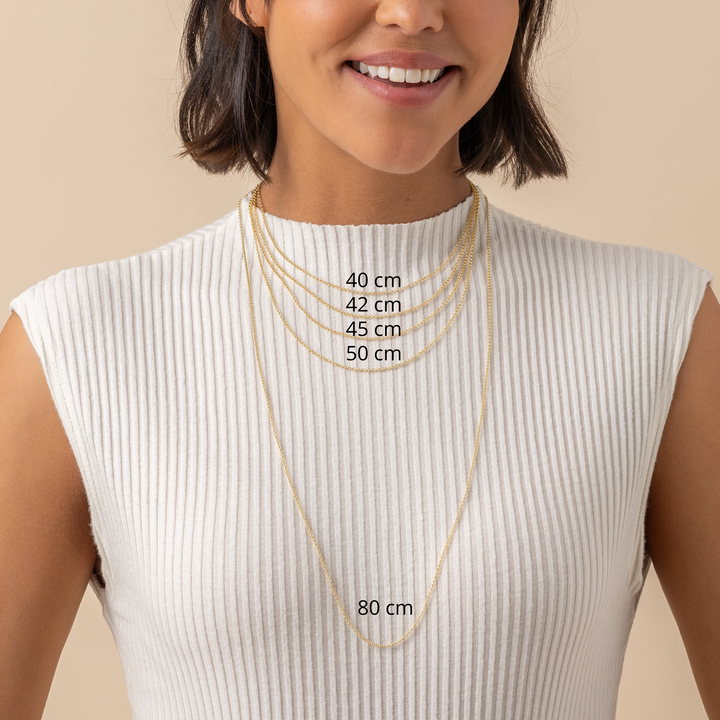
15 mm sterling silver pendant on a 45 cm sterling silver chain with 5 cm extender. 925 polished sterling silver, nickel-free and hypoallergenic. Ships free worldwide via DHL Express in 1-5 business days. Comes in a ready-to-gift jewelry box with the 30-day “Love It or Return It” policy.
Is this available in other materials?
Currently available in sterling silver. Contact us if you are interested in gold vermeil or other material options.
Cellular Biology
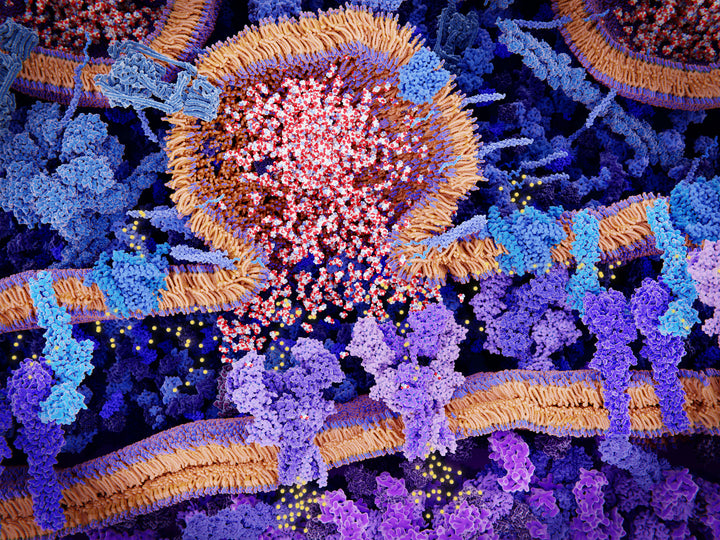
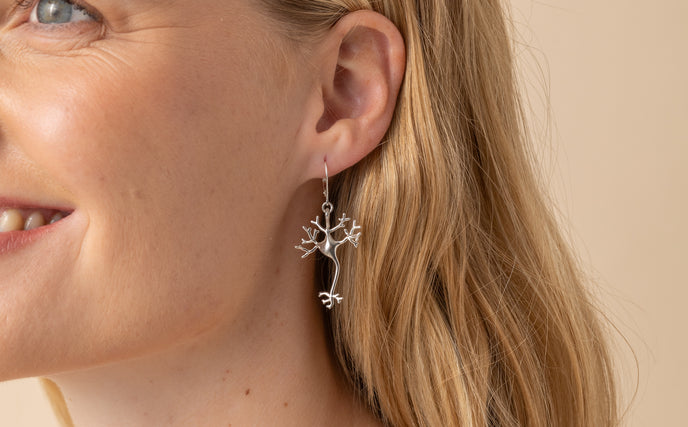
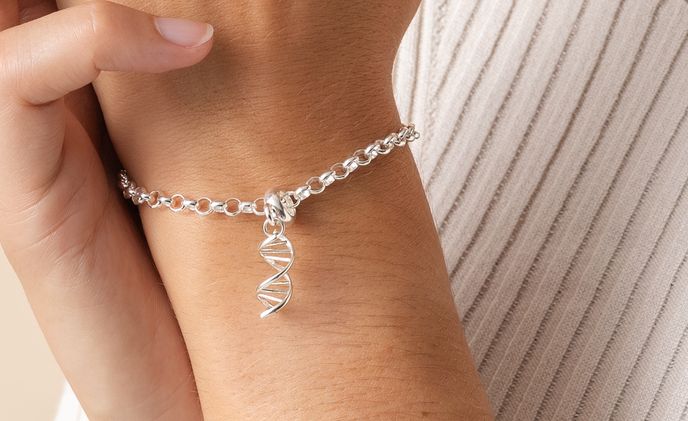
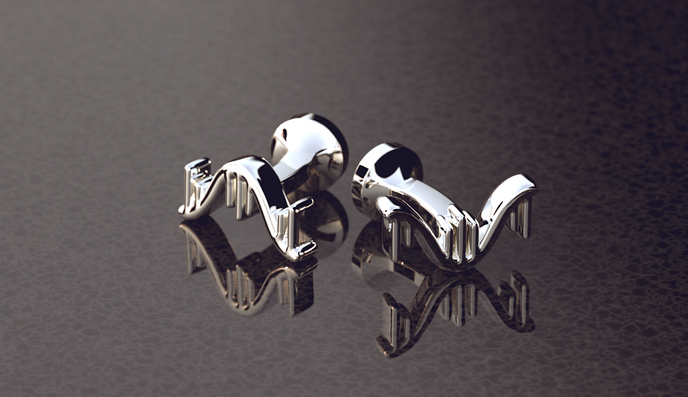
Step into the fascinating world of cellular biology through our unique jewelry designs. These pieces serve as wearable reflections of life's microscopic wonders, capturing the aesthetics of DNA strands, cellular formations, and more. Far from simple adornments, they spark dialogue and honor the captivating complexities found within biological research. Merging scientific accuracy with artistic flair, each creation offers a tactile experience that bridges the gap between scientific inquiry and aesthetic appreciation.
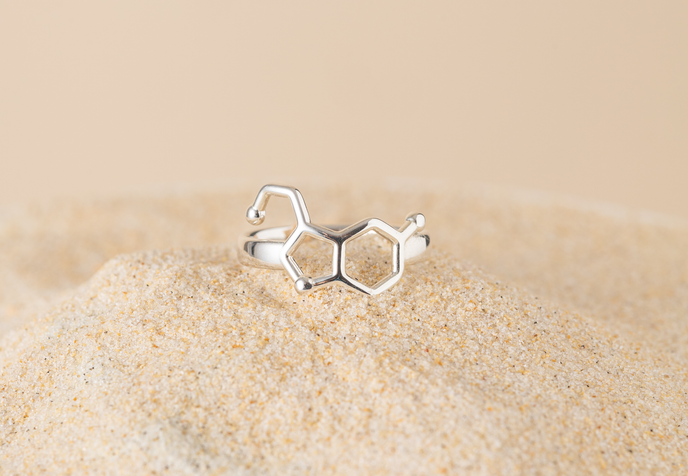
Find your perfect fit: measure an Existing Ring
Finding out your ring size at home is a simple process and can help you shop for jewelry online with confidence.
Necklace length guide