

€ 155


Still questions? Contact us
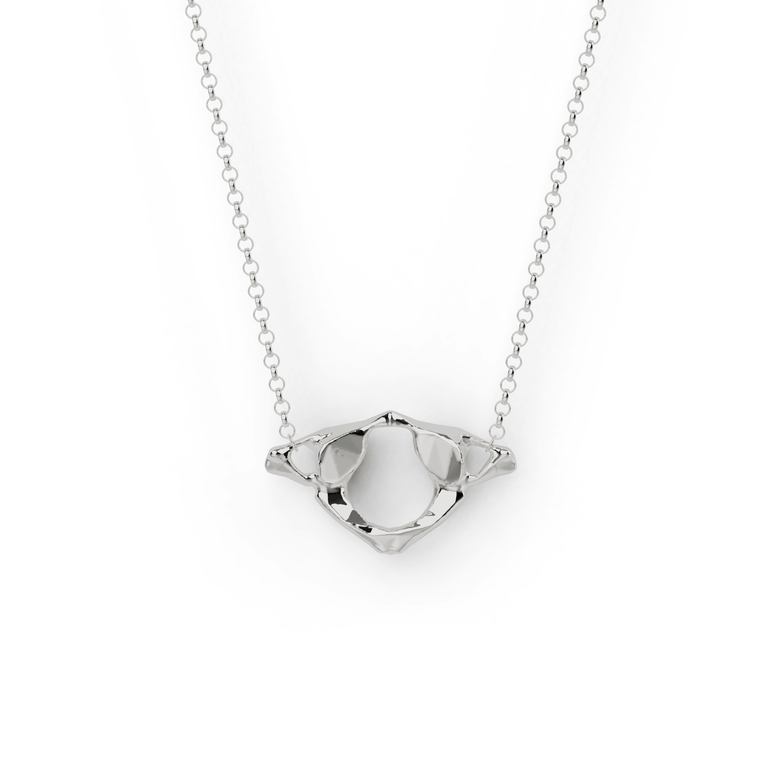
Atlas necklace | sterling silver
Soon after naming a newborn horse Atlas, one customer found this atlas necklace, named for the first vertebra of the neck, and never took it off. When it went missing years later, they ordered a new one and a spare: a personal symbol they expect to wear for the rest of their life.
Who It's For
- your daughter
- your wife
- a woman who likes her jewelry a little nerdy
- yourself
And if the top of your own neck needs looking after, it can remind you to go gently with it.
Stella E.: “Looks even better up close than it does on the website! Sturdy yet delicate and elegant! I love my beautiful nerdy necklace!!” Lia P.: “It’s gorgeous and hefty for its size.”
How the Atlas Grows
The atlas starts out in more than one piece. Bone begins to form in each lateral mass about seven weeks into development, and at birth the two halves are still separated at the back by a narrow strip of cartilage. The front of the ring is usually still cartilage at birth too, and its own centre of bone appears around the end of the first year. The two halves usually meet at the back at around four or five. The front joins the sides from about the age of six, and by around eight the ring is usually closed.
Explore Related Anatomy Jewelry
- atlas necklace | gold vermeil
- cervical vertebra necklace | silver
- spine necklace | silver
- skull necklace | silver
FAQ
How big is the pendant, and how does it sit?
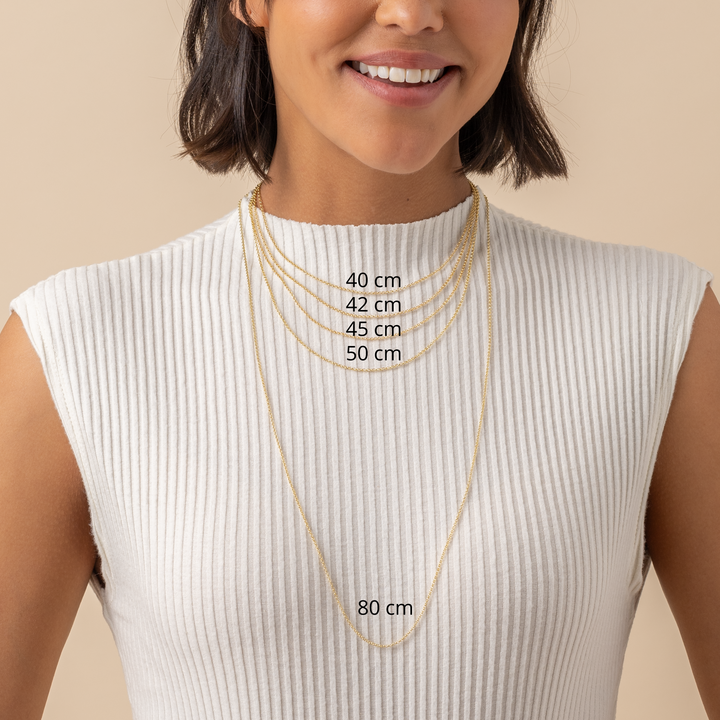
The pendant measures 26 mm (about 1 inch), about the width of a 2-euro coin (25.75 mm). It hangs level, with the chain fixed at each side, and sits below the collarbone on a 45 cm (17.7 inch) sterling silver chain with a 5 cm (2 inch) extender. Our 925 sterling silver is nickel-free and hypoallergenic. An extra chain, for layering or another pendant, can be added on this page: 40, 42, 45 or 50 cm with the extender, or 80 cm, in silver or gold vermeil.
Does it come in gold vermeil, or as another vertebra?
Yes to gold vermeil. The atlas necklace comes in sterling silver and in 18K gold vermeil, both with a 26 mm pendant on a 45 cm chain with a 5 cm extender. Choose the finish the recipient already wears. The design is the same in both finishes. Further down the spine, the cervical vertebra (24 mm), thoracic vertebra (24 mm) and lumbar vertebra (27 mm) necklaces also come in both finishes.
Will it arrive in time, and what if it isn't right?
DHL Express delivers it free worldwide in 1-5 business days, and we pay the import duties and taxes, so nothing is due at the door. It arrives in a ready-to-gift jewelry box and festive envelope. If it isn't right, our 30-day “Love It or Return It” policy applies.
Why does the atlas have no body?
Its body ends up in the vertebra below. In the embryo, the part that would have been the body of the atlas becomes part of the second vertebra, the axis, and forms most of the dens, the upright peg the atlas turns around. Gray's Anatomy noted in 1918 that the cartilage “representing the body of the atlas forms the dens”. The tip of the peg forms separately and joins it at about twelve. Each time you shake your head, the atlas turns around what would have been its own body.

Human Anatomy
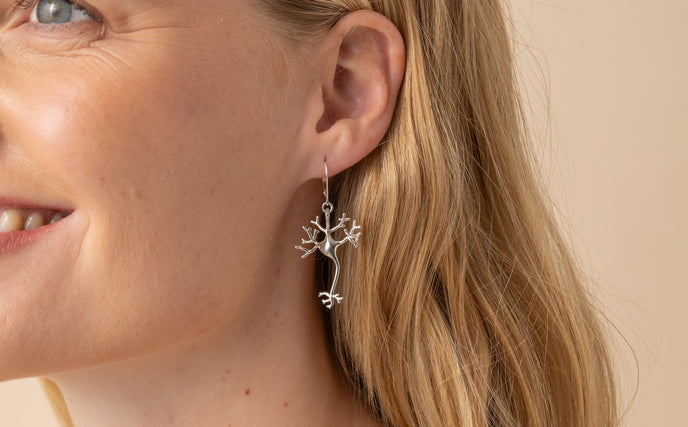
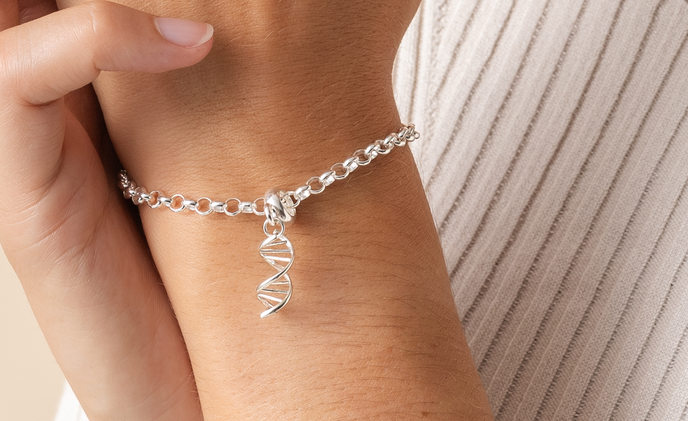
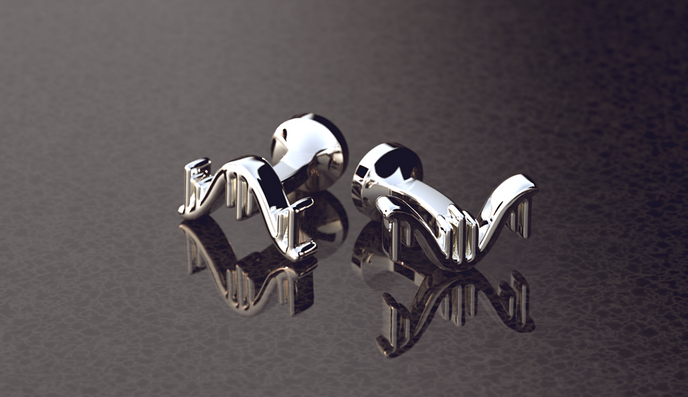
Anatomical wonders have never been so elegantly articulated. Our anatomical collection embodies the intricate and awe-inspiring structures that make us who we are. From DNA double helices to neuronal networks, our pieces don't merely imitate—they interpret. The collection serves as a tangible tribute to the hidden beauty within us all, elevating the realms of biology and medicine into wearable art. With exquisite attention to detail, each piece is a dialogue between form and function, revealing the enigmatic eloquence of the human body.
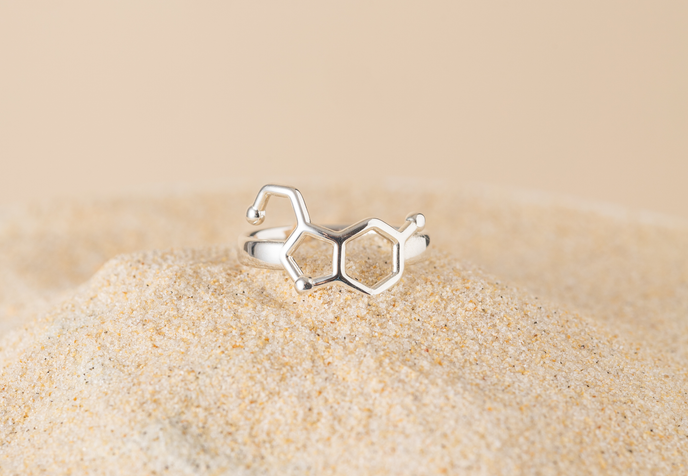
Find your perfect fit: measure an Existing Ring
Finding out your ring size at home is a simple process and can help you shop for jewelry online with confidence.
Necklace length guide