€ 185


Still questions? Contact us
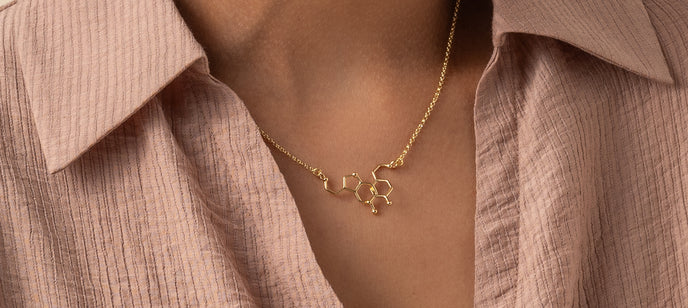
Phospholipid necklace | gold vermeil
The phospholipid is the molecular unit of every cell membrane on Earth. A polar phosphate head, two non-polar fatty-acid tails, and the simple thermodynamics of self-assembly that follows. The gold vermeil version is the same phospholipid as the silver, in a warmer key.
The Chemistry of the Phospholipid
A phospholipid is an amphipathic molecule built around a glycerol backbone with two fatty-acid chains and a phosphate-containing head group. The head is hydrophilic, the tails are hydrophobic, and in water the molecule self-assembles into bilayers, micelles, or vesicles depending on geometry. The plasma membrane of every living cell is a phospholipid bilayer, and so is every organelle membrane: nuclear envelope, mitochondrial membranes, ER, Golgi, lysosome, vesicle. Phosphatidylcholine, phosphatidylethanolamine, phosphatidylserine, phosphatidylinositol, and sphingomyelin are the major classes, each with distinct distribution and function. Phosphatidylinositol phosphates (PIP, PIP2, PIP3) are second messengers in growth-factor signalling, with PI3K and PTEN as cancer-relevant regulators. Phosphatidylserine externalisation marks apoptotic cells for clearance. Phospholipase A2 inflammation, surfactant biology, and most membrane-associated drug targets all start at the level of this single class of molecule.
Who Reaches For This
The audience is the same as the silver version, with the gold tending to land as the milestone version of the same idea:
- biochemists and structural biologists working on lipid biology
- cell biologists studying membrane traffic, lipid rafts, or organelle biogenesis
- pharmacologists working on phospholipid-based drug delivery (liposomes, lipid nanoparticles)
- biophysicists studying lipid bilayers and membrane mechanics
- family members marking a doctorate in lipid biology or membrane biophysics
The most common pairing is with the phospholipid silver. Silver as the everyday lab piece, gold as the formal milestone version after a thesis or fellowship in lipid biology.
Explore Related Cellular Biology Jewelry
- Phospholipid necklace | sterling silver
- Membrane necklace | gold vermeil
- Mammalian cell necklace | gold vermeil
- Molecules collection
FAQ
Same design as the silver phospholipid?
Yes. Same 18 mm pendant, identical phospholipid geometry. Material is the only difference. The silver is the everyday lab piece for working lipid biologists. The gold reads more formal and is more often picked as a milestone gift after a doctorate in lipid biology, a fellowship in membrane biophysics, or a major paper on lipid signalling.
Why has the phospholipid become central to drug delivery?
Because lipid nanoparticles and liposomes are the way you get fragile cargo across cell membranes. The mRNA COVID-19 vaccines used lipid nanoparticles built around ionisable phospholipids to protect mRNA from nucleases and deliver it across endosomal membranes. Liposomal doxorubicin, liposomal amphotericin, and dozens of other drugs use lipid carriers to reduce toxicity or improve targeting. The same molecular self-assembly that builds cell membranes is being used in reverse to deliver therapeutics through them. Lipid-based delivery is now one of the dominant pharmaceutical platforms for nucleic acid therapies and oncology.
What is the size, material, and chain?
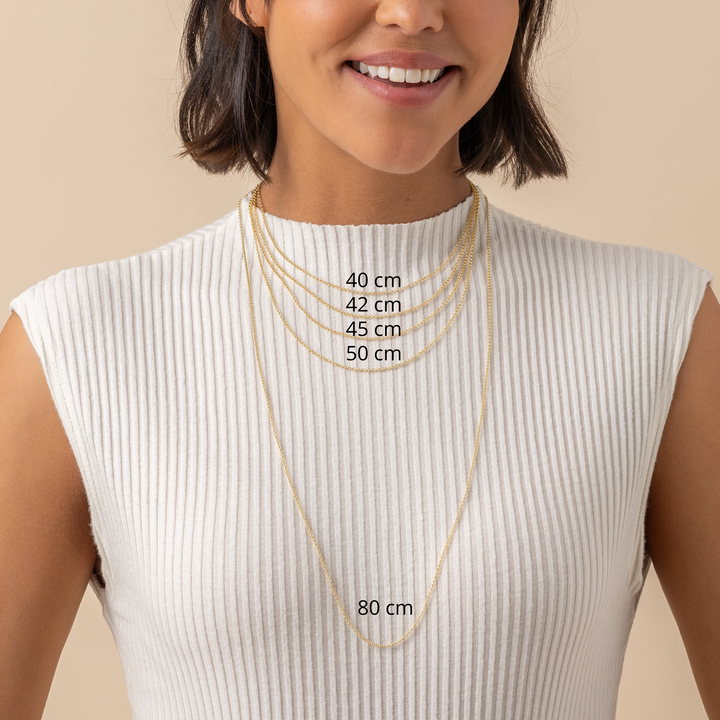
18 mm pendant in 18K gold vermeil (sterling silver core with 2.5 micron gold plating), nickel-free and hypoallergenic. 45 cm gold vermeil chain with a 5 cm extender. Ships free worldwide via DHL Express in 1-5 business days, with all import duties prepaid. Comes in a ready-to-gift jewelry box with the 30-day “Love It or Return It” policy.
What kind of gift does the gold phospholipid tend to be?
A field-specific milestone marker. Most often a thesis-defence gift inside lipid biology, a fellowship-completion marker in membrane biophysics, or a recognition gift after a paper on lipid signalling. The recipient is usually someone whose work has centred on this molecular class specifically, and the gold reads as recognition of that.
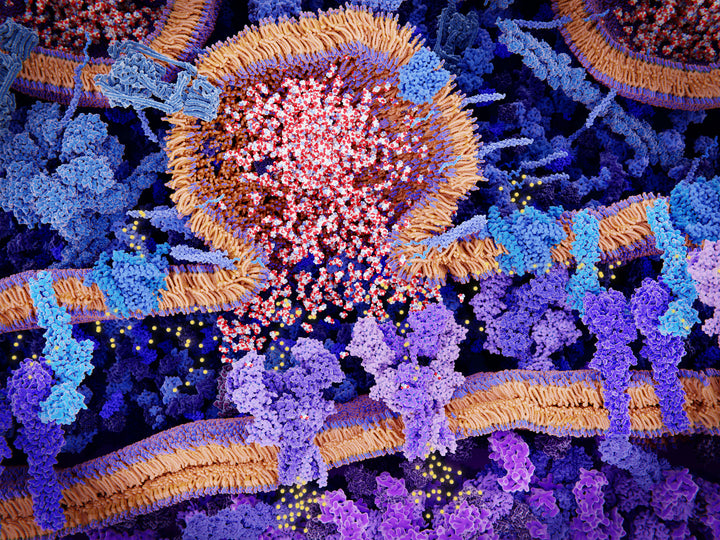
Cellular Biology
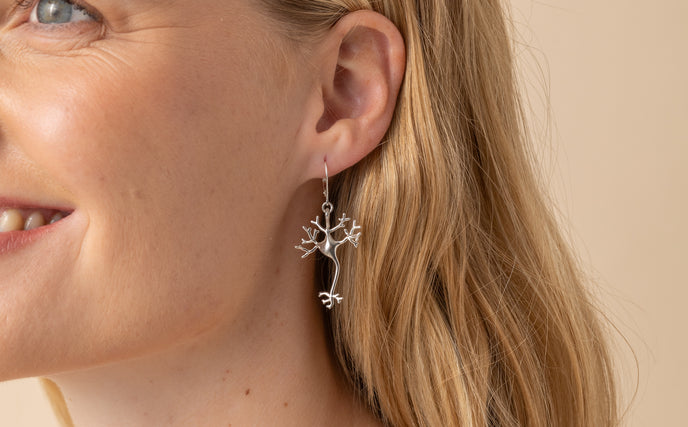
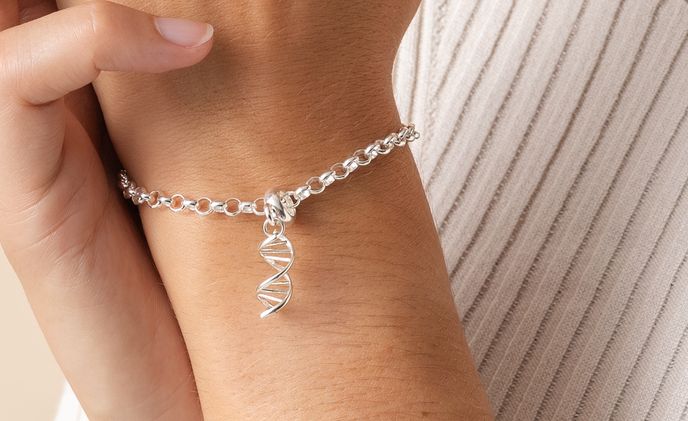
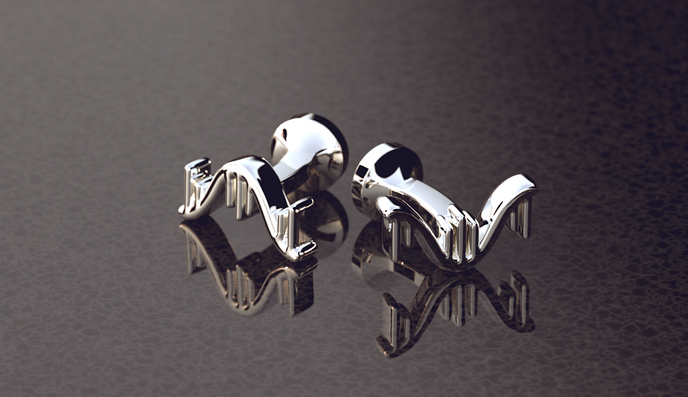
Step into the fascinating world of cellular biology through our unique jewelry designs. These pieces serve as wearable reflections of life's microscopic wonders, capturing the aesthetics of DNA strands, cellular formations, and more. Far from simple adornments, they spark dialogue and honor the captivating complexities found within biological research. Merging scientific accuracy with artistic flair, each creation offers a tactile experience that bridges the gap between scientific inquiry and aesthetic appreciation.
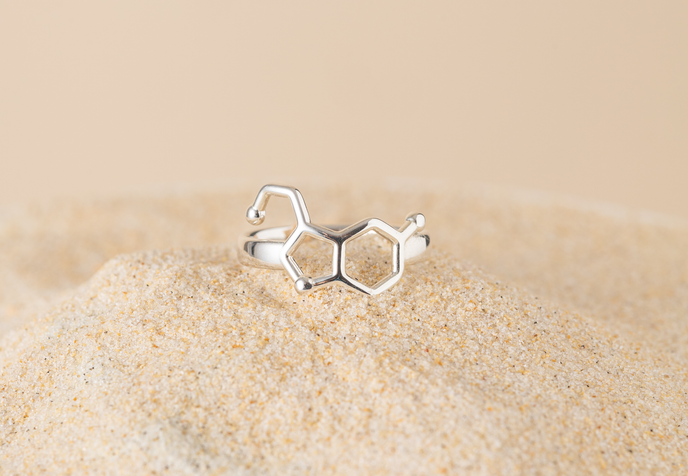
Find your perfect fit: measure an Existing Ring
Finding out your ring size at home is a simple process and can help you shop for jewelry online with confidence.
Necklace length guide