€ 140


Still questions? Contact us
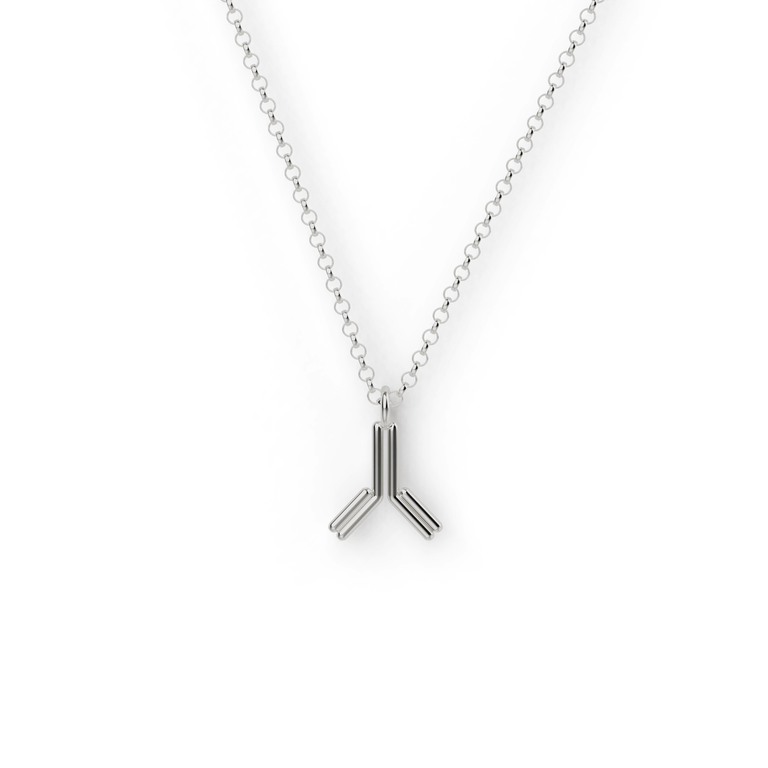
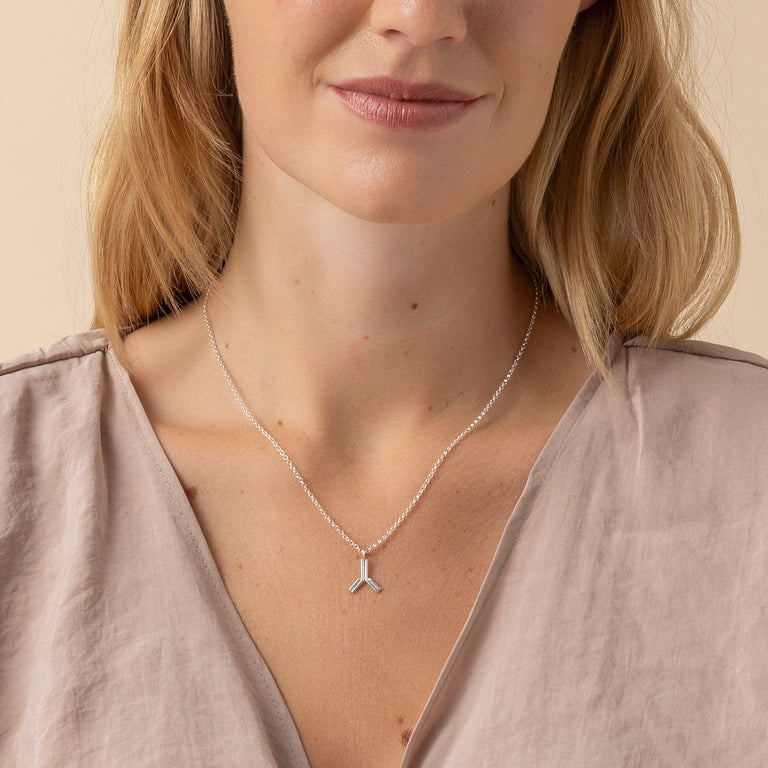
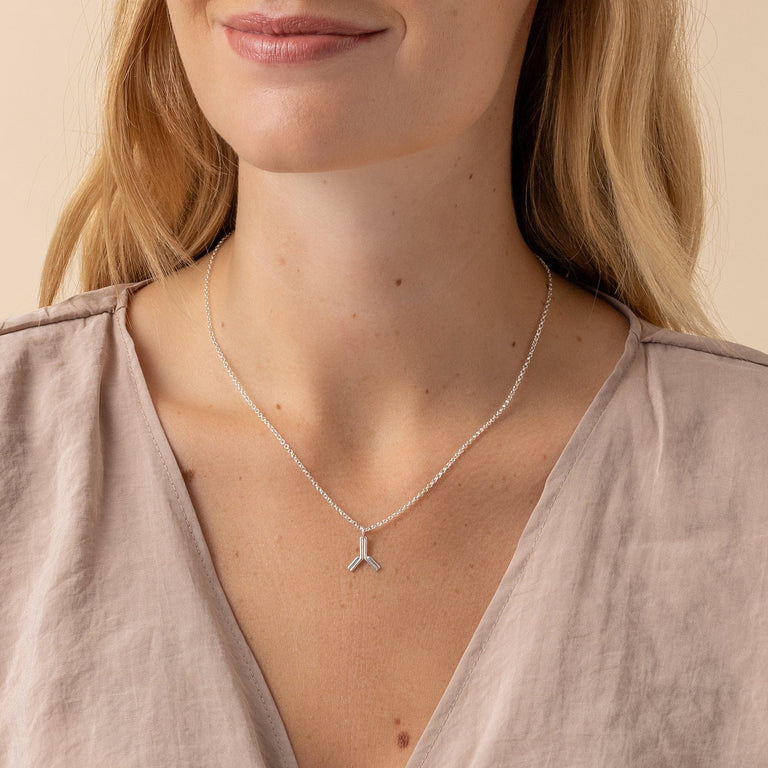
Antibody necklace | sterling silver
Antibodies are part of how the body remembers. Long after an infection or a vaccine, it can keep making the ones that worked, sometimes for decades. Wear this antibody necklace if antibodies are your daily work, or give it to your wife or partner if they are hers.
Who It's For
- a daughter graduating in biomedical science, as a keepsake of the degree
- a niece, or your son's girlfriend, finishing a degree in the biological sciences
- a friend who works in immunology, for Christmas or her birthday
- yourself, for a finished degree or a long career in immunology
Donna G. bought it for her daughter, who had just completed a PhD on antibodies: “She absolutely loved it.” Kerstin P. bought it for herself: “Beautiful necklace, I have had so many comments from colleagues here in the U.K. but also in France and the US.”
The Five Kinds of Antibody
Your body makes five classes of antibody: IgM, IgG, IgA, IgE and IgD. All are built from the same Y-shaped unit, but the stem differs, and that decides what each class does and where it goes. IgM comes first in a new infection, usually as five units joined together. IgG, the most common antibody in blood, lasts about three weeks, longer than any other class, because a receptor called FcRn rescues it from being broken down. IgA guards the gut and the airways, and passes to babies in breast milk. The body makes more of it each day than all the other classes combined. IgE, the rarest in blood, fights parasites and drives allergic reactions such as hay fever.
Explore Related Immunology Jewelry
- antibody necklace | gold vermeil
- antibody earrings | silver
- antibody bracelet | silver
- IgM necklace | silver
FAQ
How big is the pendant, and how long is the chain?
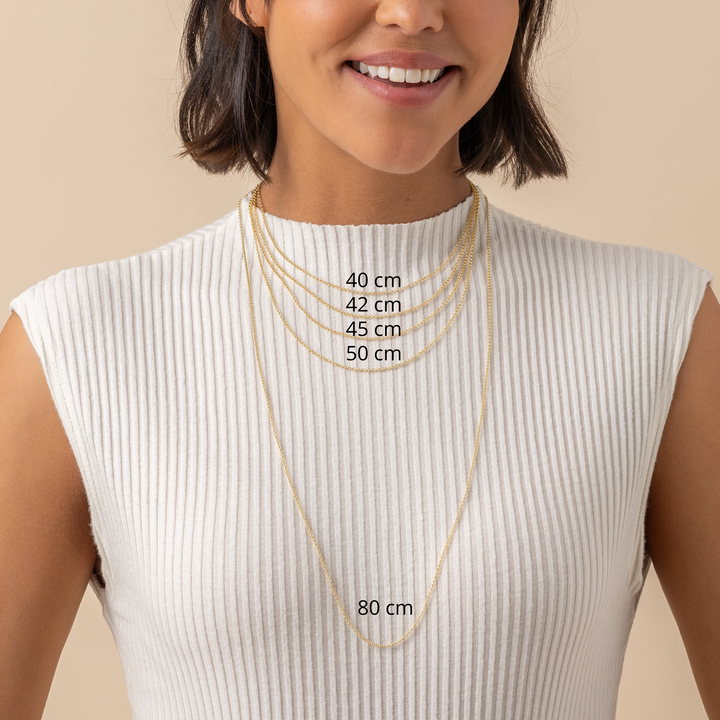
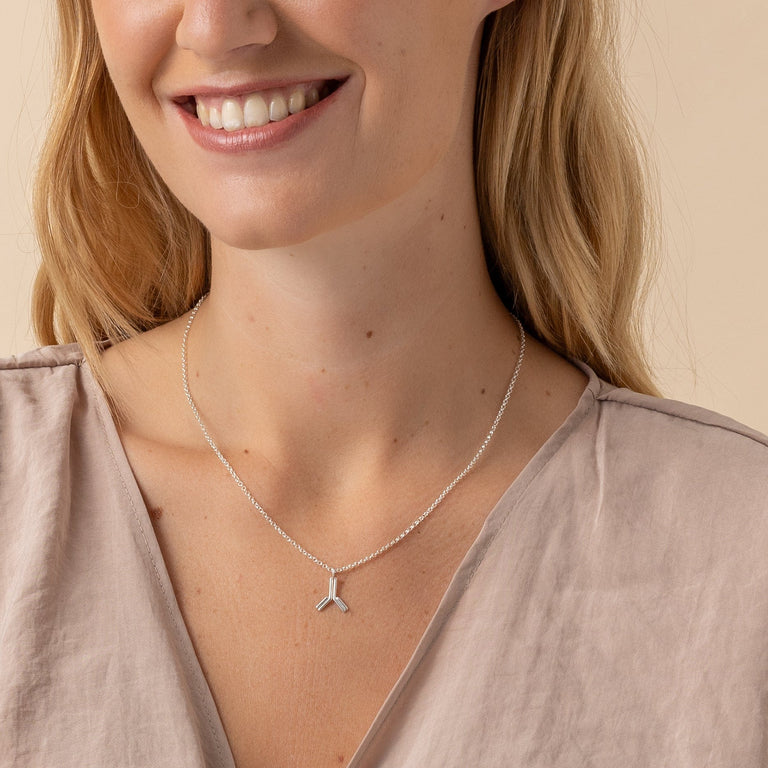
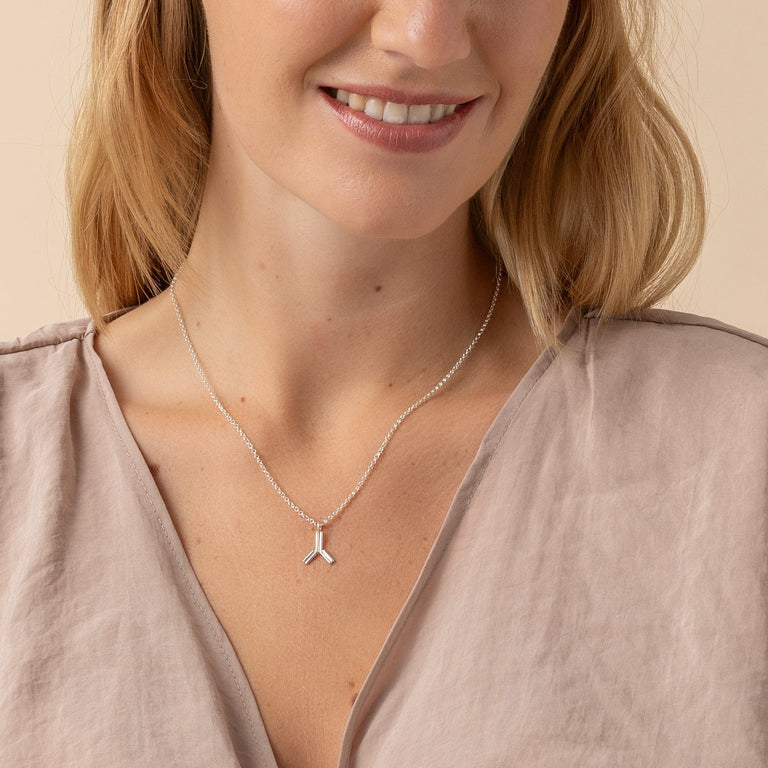
The pendant is 15 mm (about 0.6 inches), a little smaller than a 1-euro-cent coin, smaller than a US dime, and smaller than the close-up photos may suggest. It comes on a 45 cm (17.7 inch) sterling silver chain with a 5 cm (2 inch) extender and sits around the collarbone. Extra chains of 40, 42, 45 or 50 cm with extender, or 80 cm, can be added on this page. Pendant and chain are sterling silver, nickel-free. For a larger antibody piece, the IgM necklace is 32 mm.
Is there a gold version, or matching earrings?
Yes. The same 15 mm antibody necklace comes in 18K gold vermeil. Choose the finish she already wears: the design is identical in both. To match, there are antibody earrings on leverback hooks (15 mm) and antibody studs (15 × 12 mm), each in silver or gold vermeil, and a silver antibody bracelet with the same 15 mm charm.
When will it arrive, and can it be returned?
It ships free worldwide with DHL Express and arrives in 1-5 business days. We pay the import duties and taxes, so there is nothing to pay on delivery. It comes in a ready-to-gift jewelry box and festive envelope. If it isn't right, our 30-day “Love It or Return It” policy applies.
Who discovered antibodies?
The story starts in Berlin in December 1890. Emil von Behring and Shibasaburo Kitasato showed that serum from an animal made immune to tetanus could protect another animal against it. A week later Behring reported the same for diphtheria. The protective substance came to be called antitoxin, and in 1891 Paul Ehrlich used the word Antikörper, antibody. By the mid-1890s serum therapy was saving children with diphtheria. In 1901 Behring received the first Nobel Prize in Physiology or Medicine. Kitasato, his co-author on the first paper, did not share it.
Cellular Biology
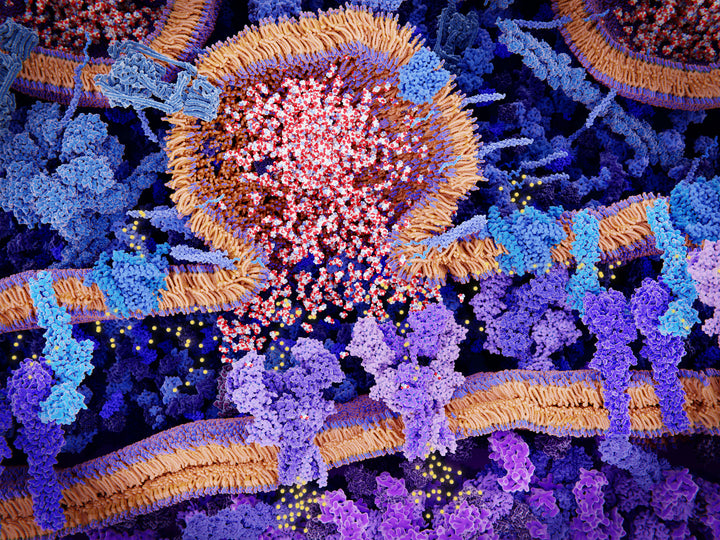
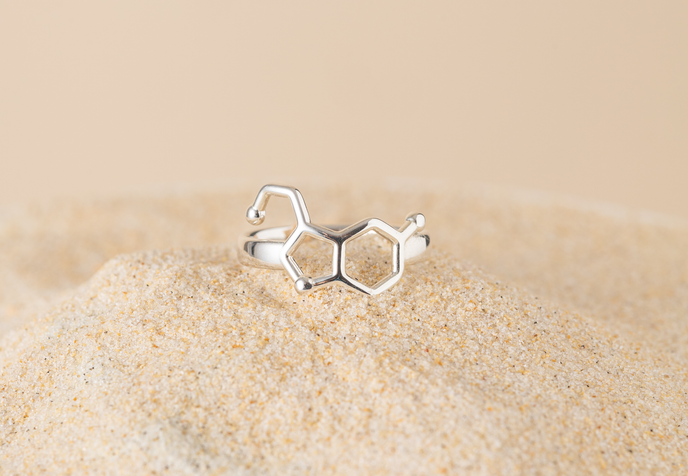
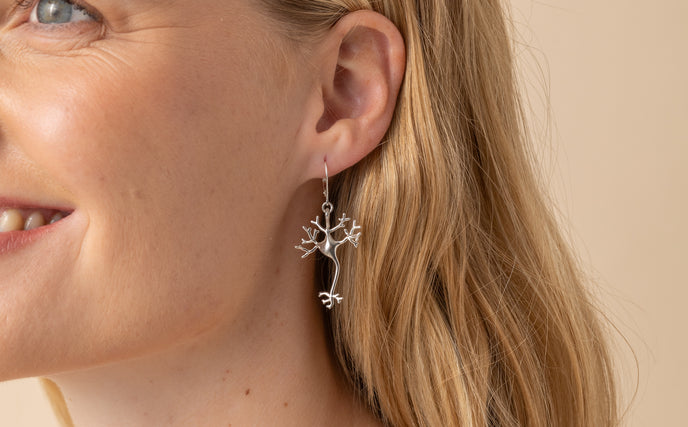
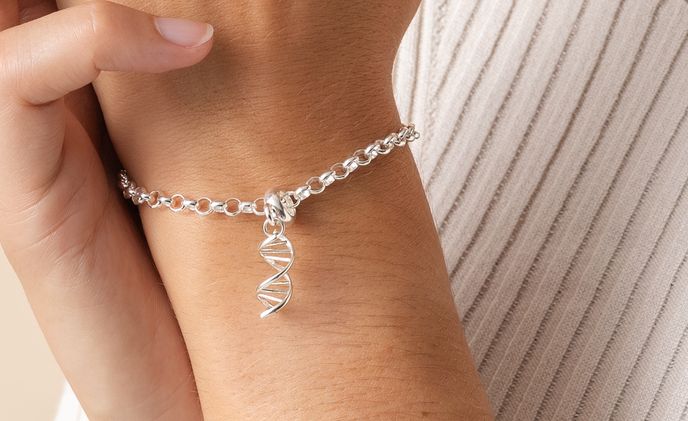
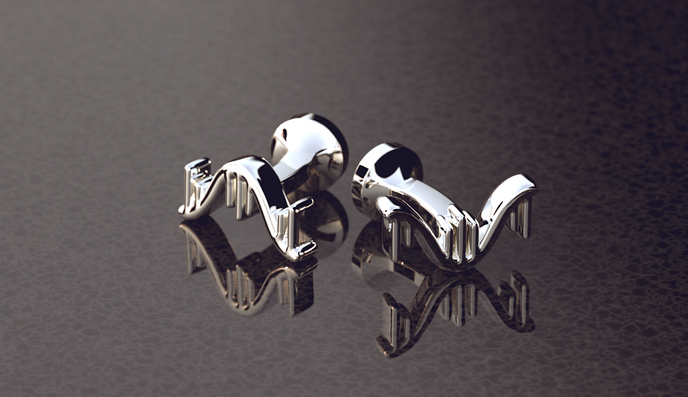
Step into the fascinating world of cellular biology through our unique jewelry designs. These pieces serve as wearable reflections of life's microscopic wonders, capturing the aesthetics of DNA strands, cellular formations, and more. Far from simple adornments, they spark dialogue and honor the captivating complexities found within biological research. Merging scientific accuracy with artistic flair, each creation offers a tactile experience that bridges the gap between scientific inquiry and aesthetic appreciation.
Find your perfect fit: measure an Existing Ring
Finding out your ring size at home is a simple process and can help you shop for jewelry online with confidence.
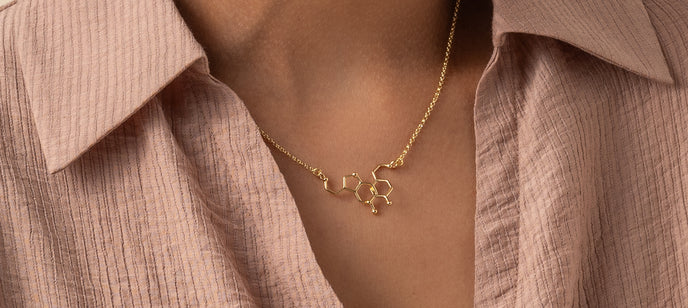
Necklace length guide