From € 115


Still questions? Contact us
Antibody bracelet | sterling silver
Each antibody is shaped to grip one particular target and very little else. An antibody bracelet is a gift for a daughter in biomedicine or a partner who is a doctor, and one to keep for yourself if you would rather wear your science on the wrist.
Who It's For
- a daughter moving on from a biomedicine degree to a master's
- a wife or partner who is a doctor
- someone who already wears a charm bracelet, as the charm alone
- yourself
Tsvetelina V., who bought the bracelet to keep: “I like it more on my hand, than on the neck. It’s delicate and gentle.”
What an Antibody Does Once It Binds
An antibody rarely destroys anything by itself. Its job is to bind, and binding sets other defences going. Antibodies that coat a virus or a toxin can stop it attaching to our cells, which immunologists call neutralisation. On a bacterium, the stems of bound IgG antibodies point outwards, and phagocytes such as macrophages and neutrophils carry receptors that grip them and swallow the coated cell. In 1903 Almroth Wright and Stewart Douglas called the serum substances that ready bacteria for this opsonins, from opsono, which they glossed as “I cater for”. Bound antibodies can also set off complement, a chain of blood proteins that can punch holes in the membranes of some bacteria.
Explore Related Immunology Jewelry
- antibody necklace | silver
- antibody necklace | gold vermeil
- antibody earrings | silver
- IgM necklace | silver
FAQ
What length should I order, and how big is the charm?
The bracelet comes in 17, 18 or 19 cm (6.7, 7.1 or 7.5 inches). Take her wrist measurement, add 1.5 to 2 cm and choose the nearest length. The 15 mm (0.6 inch) charm is a little smaller than a 1-euro-cent coin and smaller than a US dime. It hangs from a connector compatible with Pandora bracelets, on a 3.8 mm sterling silver chain with a lobster clasp. For a bracelet she already has, choose the charm without the chain. Our sterling silver is 925, nickel-free and hypoallergenic.
Does it come in gold, and what matches it?
This bracelet comes in sterling silver only. For a silver set, the antibody necklace has a 15 mm pendant on a 45 cm chain with a 5 cm extender, and there are antibody earrings on leverback hooks (15 mm, not counting the hook) and antibody studs (15 × 12 mm). If she wears gold, the necklace, earrings and studs also come in 18K gold vermeil. Our DNA, dopamine, serotonin, microscope and petri dish charms come on the same chain and connector, so they can share one bracelet.
Will it arrive in time, and what if it isn't right?
DHL Express delivers free in 1-5 business days worldwide, and we pay the import duties and taxes, so nothing is due at the door. It arrives in a ready-to-gift jewelry box and festive envelope. If it isn't right, our 30-day “Love It or Return It” policy applies.
Why is the main antibody in blood called IgG?
Because of a peak on an electrophoresis chart. In the 1930s Arne Tiselius, in Uppsala, separated serum proteins in an electric field into albumin and alpha, beta and gamma globulins. In 1937 he found rabbit antibody in the gamma fraction, and in 1939, with Elvin Kabat, he showed it moved as one with the gamma globulin. Tiselius won the 1948 Nobel Prize in Chemistry for his work on electrophoresis and the serum proteins. In 1964 a WHO group set today's names, and gamma globulin became immunoglobulin G, or IgG.
Cellular Biology
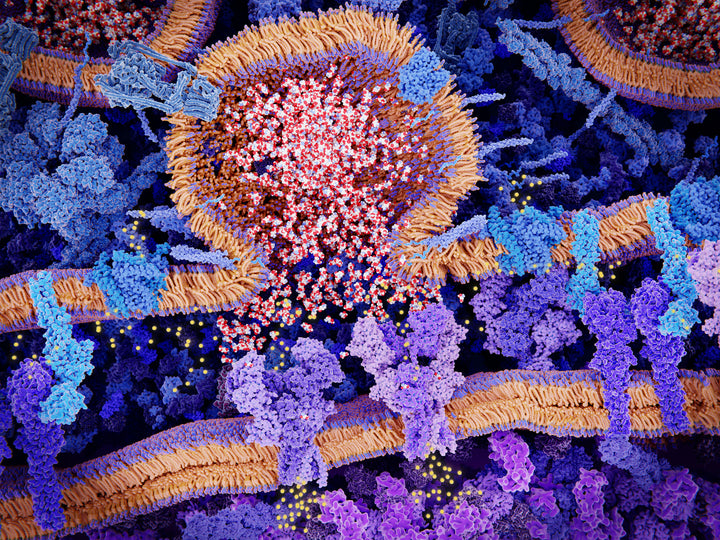
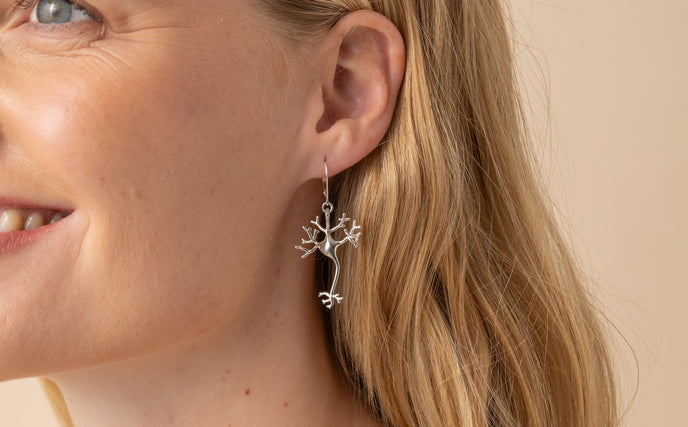
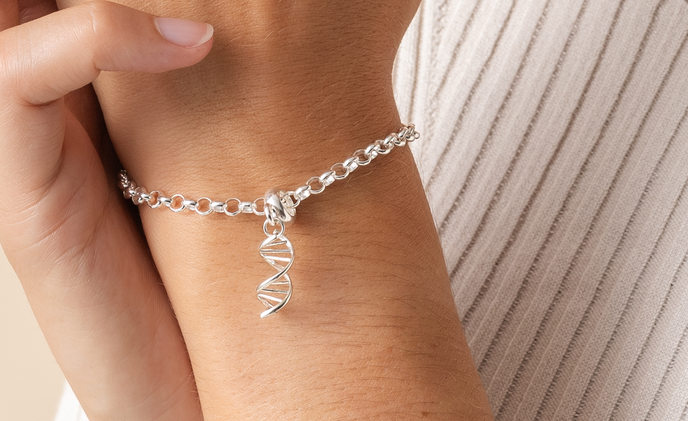
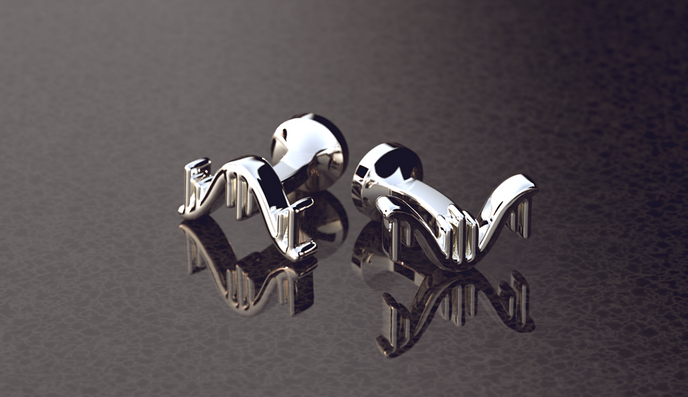
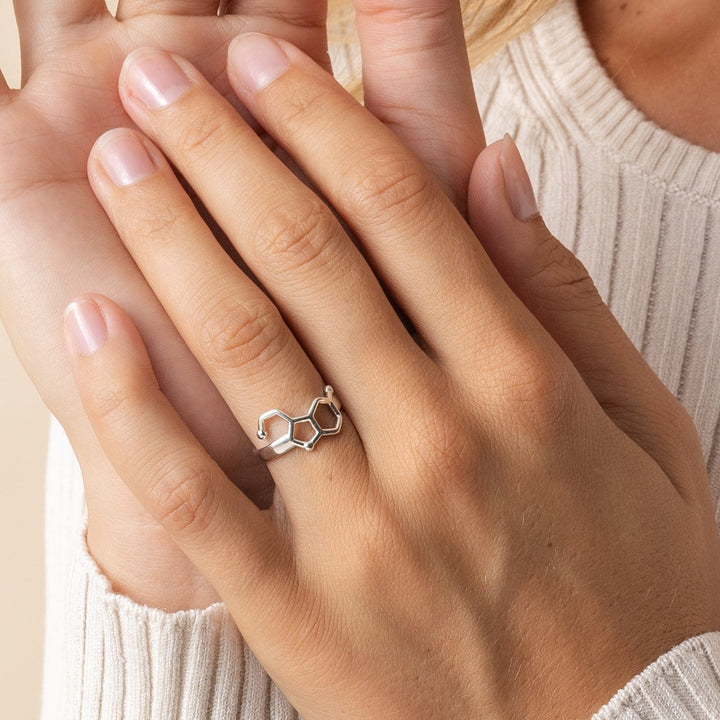
Step into the fascinating world of cellular biology through our unique jewelry designs. These pieces serve as wearable reflections of life's microscopic wonders, capturing the aesthetics of DNA strands, cellular formations, and more. Far from simple adornments, they spark dialogue and honor the captivating complexities found within biological research. Merging scientific accuracy with artistic flair, each creation offers a tactile experience that bridges the gap between scientific inquiry and aesthetic appreciation.
Find your perfect fit
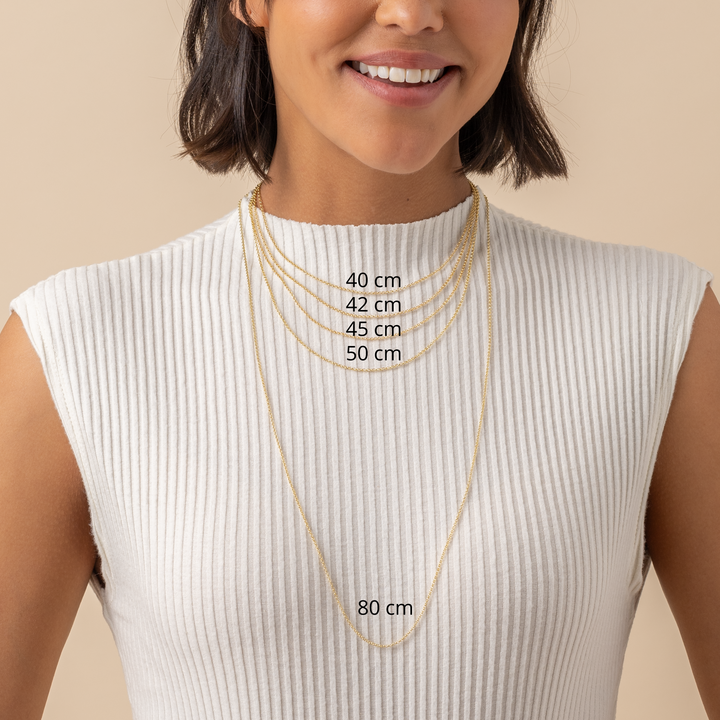
Necklace length guide